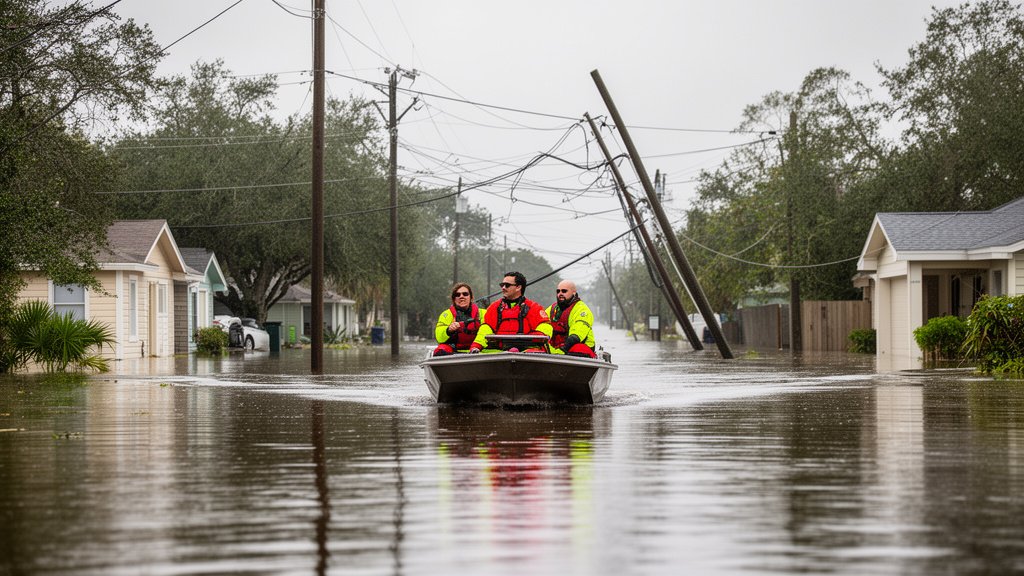

The rising tide of online misinformation in Nepal has been starkly highlighted. A recent viral incident involving hyenas entering a town in eastern Nepal demonstrates this growing problem. Social media images falsely showed spotted hyenas entering Rangeli municipality. These images quickly went viral. They were then picked up by national news outlets.
This false report triggered a swift response. The District Forest Office dispatched a team to capture the alleged hyenas. However, the operation yielded no results. District forest officer Utsav Thapa confirmed the sighting could not be verified. The information later proved to be false. Critically, the hyenas pictured were not native to Nepal. They were actually spotted hyenas, found in Africa.
The Spread of Falsehoods
This hyena incident is not an isolated event. It is part of a larger trend. Online misinformation is spreading rapidly across Nepal. Internet and smartphone use is increasing. Consequently, the spread of fake news is becoming more pervasive. This trend impacts public perception. It particularly affects views on wildlife and conservation.
Gobinda Pokharel, a conservation officer, noted this impact. He works with the National Trust for Nature Conservation Nepal. He stated that unverified reports spread easily. Mainstream media often publish such reports. This helps false information spread faster. Such incidents create fear and confusion. They also distort public understanding of animals. Ultimately, this harms conservation efforts.
Digital Landscape in Nepal
Nepal has seen significant growth in digital access. By early 2025, about 16.5 million people used the internet. This represents 55.8 percent of the population. Mobile connections are even higher. There were 39.0 million cellular mobile connections. This is 132 percent of the total population. Almost 96 percent of internet users access it via mobile devices. Smartphone penetration is now very high.
However, high penetration does not mean perfect digital literacy. A 2023 survey revealed a shocking statistic. Ninety-one percent of social media users in Nepal encounter misinformation regularly. Facebook is a top platform for encountering such content. Misinformation ranges from fake wildlife sightings to political falsehoods.
Consequences and Concerns
The impact of online information disorder is significant. It challenges public trust. It distorts perceptions of reality. This is true for general news and specific sectors like wildlife. False reports create confusion. They can also incite fear or panic. This is a serious concern for conservation.
The debate continues on how to tackle this issue. Options include stricter regulation. Others advocate for increased digital literacy programs. There are concerns existing laws might curb free expression. Striking a balance is challenging. This growing problem demands attention. It affects Nepal’s society and its natural heritage.
Broader Implications
The hyena incident is a key news item. It exemplifies wider challenges. Nepal’s media landscape has a history of fragility. Limited resources and a lack of independent journalism exist. User-generated content blurs credible journalism. Many people lack media literacy skills. They may unknowingly spread false news.
This trend was evident during recent anti-government protests. Misinformation circulated widely online. It fueled panic and fear. Fake videos and exaggerated claims appeared. This impacted public opinion. It also undermined trust in institutions. The issue of fake news is a top concern. It requires collective efforts to address.
The Way Forward
Combating misinformation requires a multi-pronged approach. Promoting fact-checking is crucial. Enhancing digital literacy is equally important. These efforts must go hand-in-hand. People need skills to navigate online information. They must learn to identify trustworthy sources.
Artificial intelligence also plays a role. It makes creating realistic fake images easier. This technology can spread wildlife misinformation. It can spark fear towards animals. It might also fuel illegal trade. Experts warn about the long-term effects. Misinformation erodes media trust. It damages accountability. Nepal faces a critical challenge. Addressing information disorder is essential. This is vital for its society and its future. This featured news highlights a trending issue.