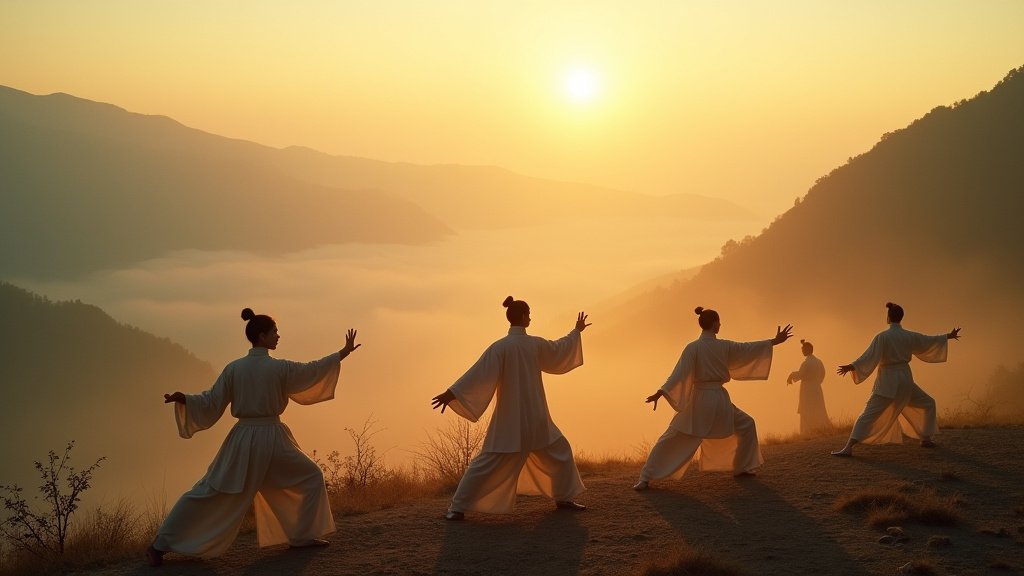
The establishment of International Taijiquan Day is a testament to the art’s profound impact and widespread appeal. More than just a martial art, Taijiquan is recognized for its contribution to physical and mental well-being, embodying principles of balance, harmony, and peace. Its practice, characterized by gentle, flowing movements, is accessible to people of all ages and fitness levels, promoting a healthy lifestyle and stress reduction. The date, March 21, coinciding with the vernal equinox, further emphasizes Taijiquan’s philosophical underpinnings of balance between yin and yang and the harmony between humanity and nature.
The Historical Significance and Global Reach
The journey of Taijiquan to international recognition has been a gradual one. Its inscription on UNESCO’s Intangible Cultural Heritage list in 2020 was a significant step, followed by the establishment of this dedicated international day. The art, with nearly 400 years of history, originated in ancient China and has since spread to over 180 countries and regions, embraced by hundreds of millions of practitioners. This global presence underscores Taijiquan’s role as a cultural ambassador, fostering mutual understanding and strengthening international ties, as exemplified by celebrations in diverse locations like Nigeria. The designation by UNESCO highlights the martial art’s unique value in cultural heritage, public health, and sustainable development.
Embracing Tai Chi for Health and Harmony
The benefits of practicing Taijiquan extend beyond physical fitness. Scientific research has shown its positive effects on improving chronic diseases, enhancing mental health, and reducing stress. Its emphasis on mindfulness and gentle movement makes it an ideal practice for those seeking a balanced and healthier lifestyle. As International Taijiquan Day is celebrated, it serves as a global invitation to explore the wisdom and tranquility that Taijiquan offers, reinforcing its status as a universal practice for well-being and peace.