This article explores the dynamic fusion of African cultural heritage with contemporary fashion trends, highlighting how designers are leveraging traditional aesthetics to create globally relevant and innovative styles. It delves into the strategies employed to translate rich cultural narratives into modern fashion statements, focusing on craftsmanship, symbolism, and sustainability.
Key Highlights:
- African designers are successfully blending traditional textiles and motifs with modern silhouettes.
- Cultural authenticity and storytelling are central to the appeal of these contemporary collections.
- There’s a growing global market interest in African fashion that respects its roots.
- Sustainability and ethical production are becoming integral to the narrative of African fashion.
Weaving Heritage into the Runway
The African fashion landscape is experiencing a renaissance, characterized by a powerful movement of designers who are not merely creating clothes but telling stories. This new wave is deeply rooted in the continent’s diverse cultural heritage, drawing inspiration from centuries-old traditions, intricate craftsmanship, and vibrant symbolism. These contemporary fashion narratives are gaining significant traction on the global stage, challenging Western-centric fashion norms and establishing a unique African identity in the industry. The success hinges on a delicate balance: honoring the past while boldly innovating for the future.
The Art of Cultural Translation
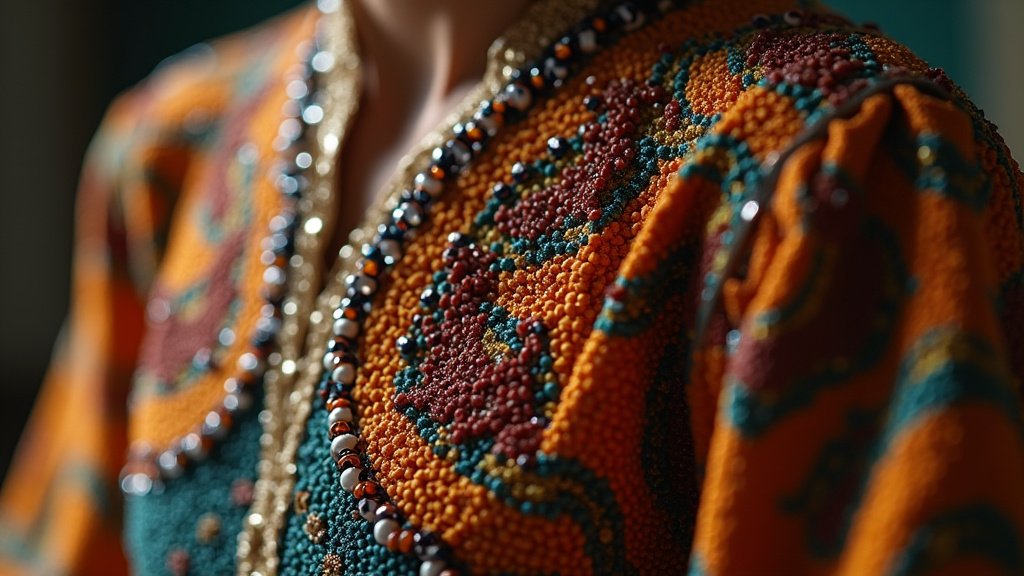
Translating cultural elements into wearable fashion requires a nuanced understanding. Designers are meticulously studying traditional techniques, such as Kente weaving from Ghana, Bogolanfini (mud cloth) from Mali, or Ankara prints popular across West Africa. These are not simply replicated but reinterpreted. For instance, a traditional geometric pattern might be digitized and scaled for a modern bomber jacket, or the rich symbolism of a Maasai beadwork pattern could inspire the embellishments on a high-fashion gown. This process demands respect for the origin of these elements, ensuring they are presented in a way that acknowledges their cultural significance rather than appropriating them. The goal is to create pieces that resonate with a global audience while remaining authentic to their African origins.
Sustainability and Ethical Storytelling
Beyond aesthetics, a significant secondary angle driving the success of contemporary African fashion is its commitment to sustainability and ethical practices. Many designers are working directly with artisan communities, ensuring fair wages and preserving traditional skills. The use of locally sourced, organic materials and natural dyes is also on the rise, aligning with global consumer demand for eco-conscious fashion. This focus on ethical production adds another layer to the narrative, positioning African fashion not just as beautiful, but as responsible and conscious. It provides a powerful counter-narrative to the fast-fashion industry, emphasizing longevity, quality, and connection to the source.
Global Reach and Market Impact
The growing visibility of African designers in international fashion weeks and through collaborations with global brands signifies a paradigm shift. Platforms like the African Fashion Week in various cities, and features in major fashion publications, have amplified their voices. This increased exposure is not only boosting the economic potential of the sector but also fostering a sense of pride and identity among Africans worldwide. The market is responding positively, with consumers actively seeking out unique pieces that carry cultural weight and a compelling story. This trend suggests that African fashion is moving beyond a niche market to become a significant global force.
Future Trajectories
The future of contemporary African fashion appears bright, with designers increasingly exploring digital platforms for wider reach and embracing innovation in materials and design. The ongoing dialogue between tradition and modernity promises a continuous evolution, ensuring that African culture remains a dynamic and influential source of inspiration for years to come. The emphasis on heritage, coupled with a forward-thinking approach, positions African fashion as a vital and exciting contributor to the global style conversation.
FAQ: People Also Ask
What are some key traditional African textiles inspiring modern fashion?
Some prominent examples include Kente cloth from Ghana, known for its intricate woven patterns; Bogolanfini (mud cloth) from Mali, characterized by its earthy tones and symbolic designs; and Ankara prints, vibrant wax-print fabrics widely used across West Africa for their bold patterns.
How do African designers ensure cultural authenticity in their work?
Authenticity is maintained through deep research into cultural heritage, collaboration with local artisans to preserve traditional techniques, and by ensuring that symbolic meanings are respected and accurately represented. Many designers also emphasize sourcing materials locally and ethically.
What role does sustainability play in contemporary African fashion?
Sustainability is a growing focus, with designers prioritizing eco-friendly materials, natural dyes, and ethical production methods. This includes supporting artisan communities, minimizing waste, and creating durable, long-lasting garments, often as a conscious alternative to fast fashion.
How is technology impacting African fashion?
Technology is enabling wider global reach through e-commerce and social media marketing. Designers are also exploring digital design tools, 3D printing, and innovative sustainable materials to push creative boundaries and improve production efficiency.
What are the economic implications of the rise of African fashion?
The increasing global demand for African fashion is creating significant economic opportunities, fostering job creation in artisan communities, boosting exports, and attracting investment. It’s also strengthening the creative economy within African nations.