
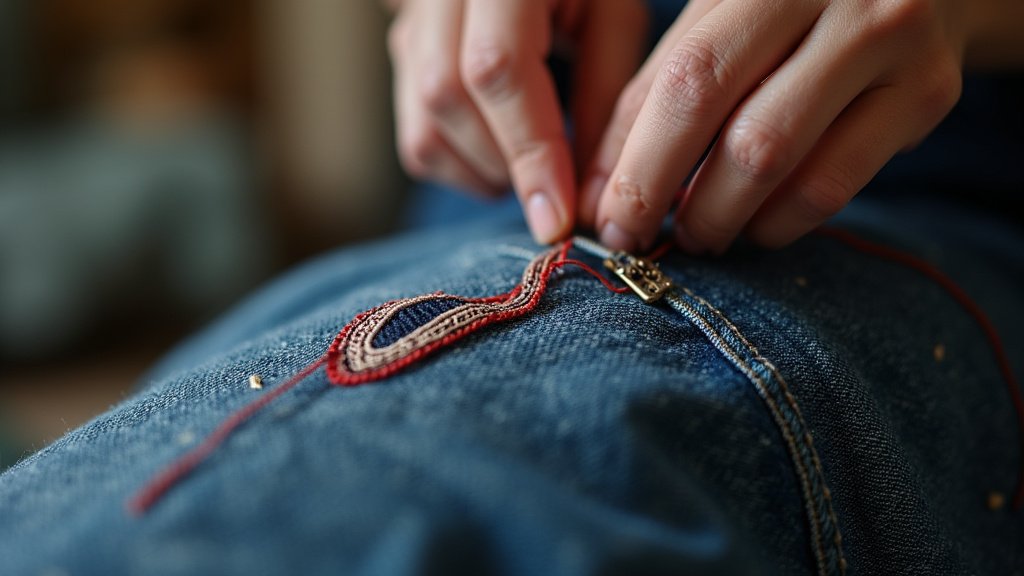
Mending clothes is experiencing a significant resurgence, driven by a growing desire among consumers to save money and reduce their environmental impact. This traditional skill is being revitalized as a practical and stylish way to extend the life of garments, moving beyond a niche hobby to a mainstream trend.
Key Highlights:
- Economic Necessity: Rising inflation and the cost of living are pushing consumers to repair rather than replace clothing.
- Environmental Consciousness: Growing awareness of fashion’s environmental footprint fuels the demand for sustainable practices like mending.
- DIY Culture & Social Media: Platforms like TikTok and Instagram are popularizing visible mending techniques, making them aesthetically appealing.
- Skill Revival: A renewed interest in traditional crafts and self-sufficiency is leading many to learn or relearn sewing and mending skills.
The Rise of Visible Mending: More Than Just a Fix
Once a purely functional act to repair worn-out or damaged clothing, mending is now often celebrated as a form of creative expression. This shift is largely thanks to the ‘visible mending’ movement, which encourages decorative and prominent repairs rather than trying to hide them.
Economic Drivers of the Mending Renaissance
The primary catalyst for the current mending boom is undeniably economic. With inflation impacting household budgets globally, consumers are scrutinizing their spending. Fast fashion items, while initially cheap, often lack durability, leading to a cycle of frequent replacement. For many, mending offers a cost-effective solution. A few simple stitches can save a favorite shirt from the landfill or prevent the purchase of a new pair of jeans, providing tangible financial savings.
Sustainability and the Circular Economy
Beyond personal finance, the environmental crisis is a powerful motivator. The fashion industry is a major contributor to pollution, water waste, and carbon emissions. Fast fashion, in particular, generates enormous amounts of textile waste. Mending directly combats this by extending the lifespan of garments, reducing the demand for new production, and diverting items from landfills. It aligns with the principles of the circular economy, where resources are kept in use for as long as possible, extracting maximum value from them before recovering and regenerating products and materials.
Social Media’s Role in Popularizing Mending
Platforms like TikTok, Instagram, and Pinterest have become unlikely fashion hubs for mending enthusiasts. Videos showcasing intricate embroidery repairs, colorful patches, and creative darning techniques have gone viral, inspiring millions. Hashtags like #visiblemending, #mendingsaves, and #slowfashion have amassed huge followings. This digital visibility has demystified mending, making it seem accessible and even aspirational. It has transformed a practical necessity into a creative outlet, proving that repaired clothing can be just as, if not more, stylish than new.
Mending as a Skill and a Statement
The renewed interest in mending also reflects a broader cultural shift towards valuing self-sufficiency and traditional crafts. In an increasingly digital and disposable world, many find satisfaction in the tactile process of working with their hands. Learning to mend can be empowering, fostering a deeper connection to one’s belongings and a greater appreciation for the resources involved in creating them. It’s a conscious act of resistance against the disposability culture promoted by fast fashion.
FAQ: People Also Ask
What is visible mending?
Visible mending is a philosophy and practice where repairs to clothing are intentionally made noticeable and decorative, rather than hidden. It celebrates the act of mending as a unique design element.
How much money can you save by mending clothes?
Savings vary greatly depending on your purchasing habits, but by repairing common issues like small tears, loose buttons, or worn seams, you can significantly reduce the need to buy new items. For instance, extending the life of a few garments a month can easily save dozens or even hundreds of dollars annually.
Is mending good for the environment?
Yes, mending is highly beneficial for the environment. It reduces textile waste, conserves resources (water, energy, raw materials) used in manufacturing new clothes, and lowers the carbon footprint associated with production and transportation.
What are the easiest things to mend?
Common beginner-friendly mends include sewing on a button, fixing a fallen hem, darning small holes (especially in socks or sweaters), and patching small tears or holes.
Where can I learn to mend clothes?
Resources for learning to mend are abundant. You can find tutorials on YouTube, blogs dedicated to sewing and sustainable fashion, social media platforms like Instagram and TikTok, and through local sewing classes or community workshops.