
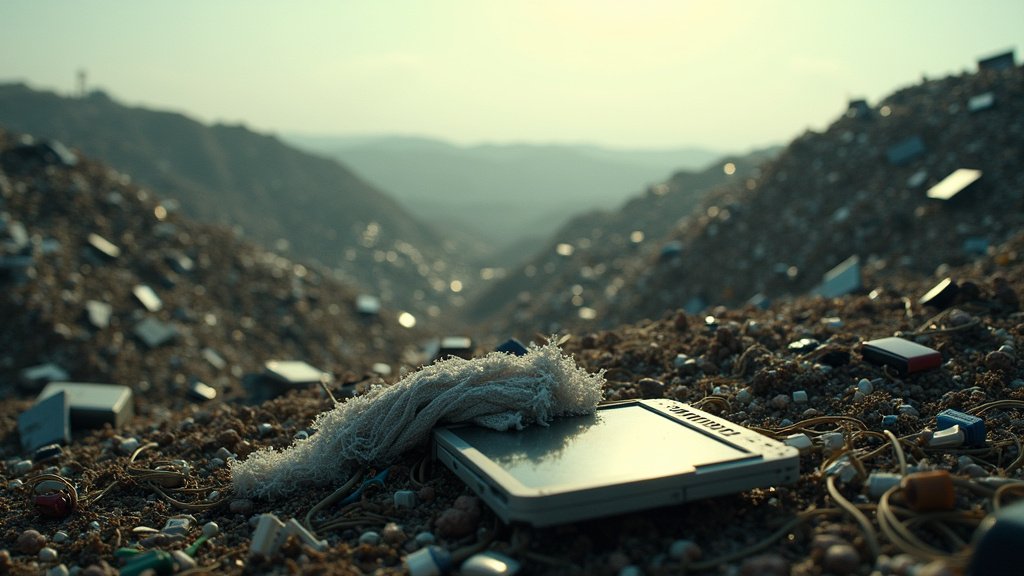
A pervasive throw-away culture has become big business. It drives constant consumption. This model relies on making products disposable. Planned obsolescence is a key strategy. Companies design items to fail. They become unusable quickly. This encourages frequent repurchasing. Consumers must replace goods often. This ensures steady sales for producers. Profitability is prioritized over longevity. This practice creates massive waste. It also drains natural resources.
Industries profit from this cycle. The fashion sector is a prime example. Fast fashion produces 92 million tonnes of waste yearly. Garments are worn only about seven times. Styles change rapidly. Trends become obsolete in weeks. Many items are made from low-quality materials. They are not designed to last. This fuels a constant buying spree. Ultimately, clothing ends up in landfills. It contributes significantly to pollution. Furthermore, 60% of fast fashion items contain plastic. This adds to the plastic waste crisis.
Electronics also drive this disposable culture. E-waste is the fastest-growing waste stream. Over 62 million tonnes were generated in 2022. Sadly, only about 22.3% is formally recycled. Many devices are built with non-recyclable parts. Repair options are often limited. Software updates can make older models slow. Consumers feel pressure to upgrade. This rapid churn creates immense toxic waste. Greenhouse gas emissions from e-waste are substantial. Packaging is another major contributor. Around 40% of global plastic waste comes from packaging. This includes single-use items. They pollute our oceans and land. Plastic waste harms wildlife. It also breaks down into microplastics. These enter our food chain.
Marketing plays a critical role. It encourages overconsumption. Advertising associates products with status. It links them to happiness and identity. Companies push new styles and models. They create an artificial demand. Social media amplifies these trends. Influencer marketing promotes latest items. Gamified online shopping adds to the frenzy. This constant push for newness is relentless. It convinces people they need more. Consumers discard items quickly. They seek the latest trending items. This cultural shift profits corporations. However, it has severe consequences.
The environmental cost is immense. Vast amounts of raw materials are extracted. Production processes create pollution. Landfills overflow with discarded goods. Oceans are choked with plastic waste. Greenhouse gas emissions accelerate climate change. Resource depletion is a major concern. This linear model of ‘take-make-dispose’ is unsustainable.
There are also significant economic impacts. Businesses spend billions on waste management. Governments bear costs for cleanup. Consumers face increased expenses. A US study found technology devices alone cost households over $1,000 extra annually. While recycling efforts exist, they lag far behind waste generation. The true cost of disposable goods is staggering. It affects our planet and our future. A shift towards sustainable practices is urgently needed. This requires changes in industry and consumer habits. We must rethink our culture of consumption.