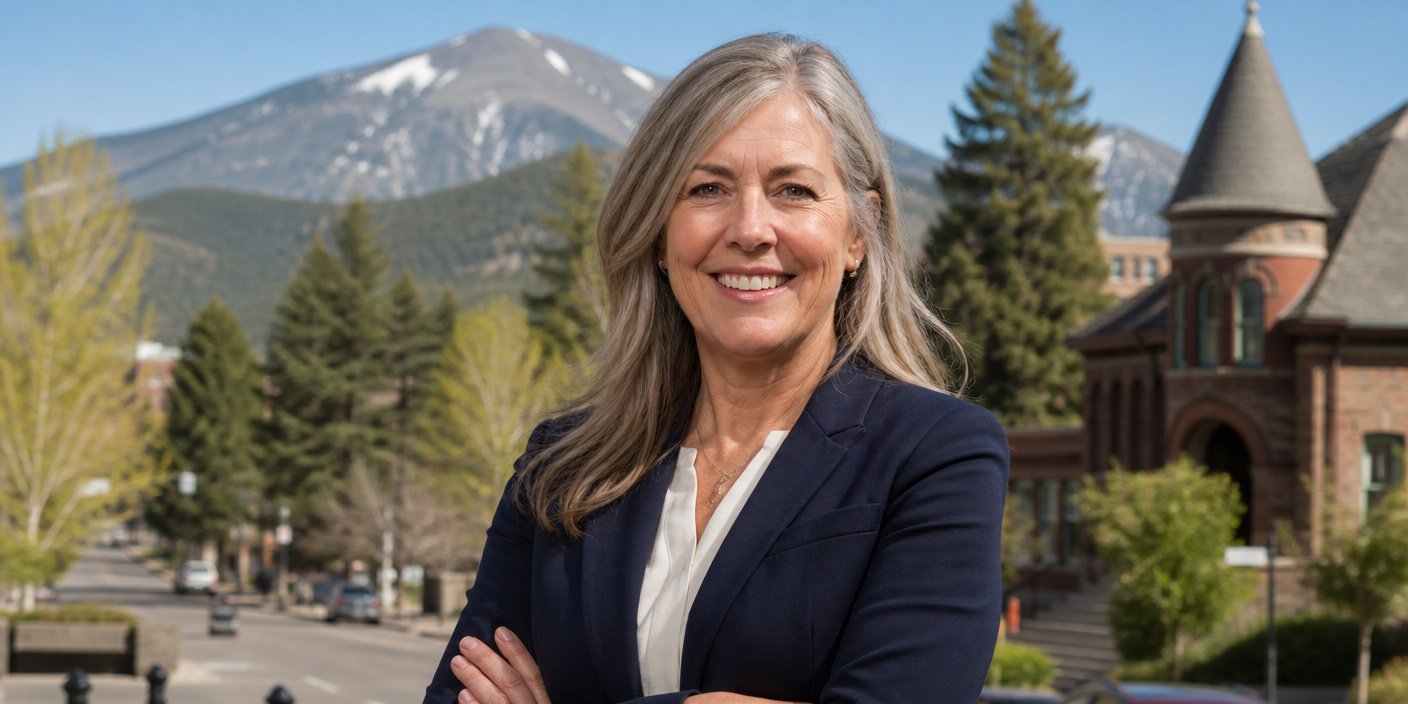
As the American Red Cross observes Volunteer Recognition Week, the story of Uʻilani Chow-Rule has emerged as a beacon of humanitarian spirit. During the devastating Kona Low storms that swept across Hawaiʻi earlier this spring, the University of Hawaiʻi at Mānoa nursing professor pivoted from the lecture hall to the front lines of emergency shelters, proving that the most effective disaster response is deeply rooted in local connection and cultural understanding.
Key Highlights
- Culturally Responsive Care: Chow-Rule utilized Pidgin to communicate with evacuees, effectively dissolving barriers of fear and trauma in high-stress shelter environments.
- Community-Led Resilience: Her experience at Nānākuli High School and Kāneʻohe District Park highlights the vital role of grassroots networks, including church groups that manually escorted unhoused individuals to safety.
- The Volunteer Exchange: Chow-Rule describes volunteering not as a one-way service, but as an act of mutual healing, emphasizing the empowerment found in showing up for one’s neighbors.
- Professional Expertise in Action: Her dual identity as a nursing professor and a disaster volunteer underscores the critical importance of integrating clinical precision with emotional intelligence during crises.
The Heart of the Storm: Redefining Disaster Response
The Kona Low storms of March 2026 brought unprecedented challenges to the Hawaiian Islands, causing power grid failures, massive flooding, and the displacement of thousands. Amidst the chaos, the American Red Cross became the anchor for those who lost everything. For Uʻilani Chow-Rule, the choice to volunteer was not merely a professional obligation; it was a testament to the Hawaiian concept of kuleana—responsibility and stewardship for one’s community.
Beyond the Clinical Checklist
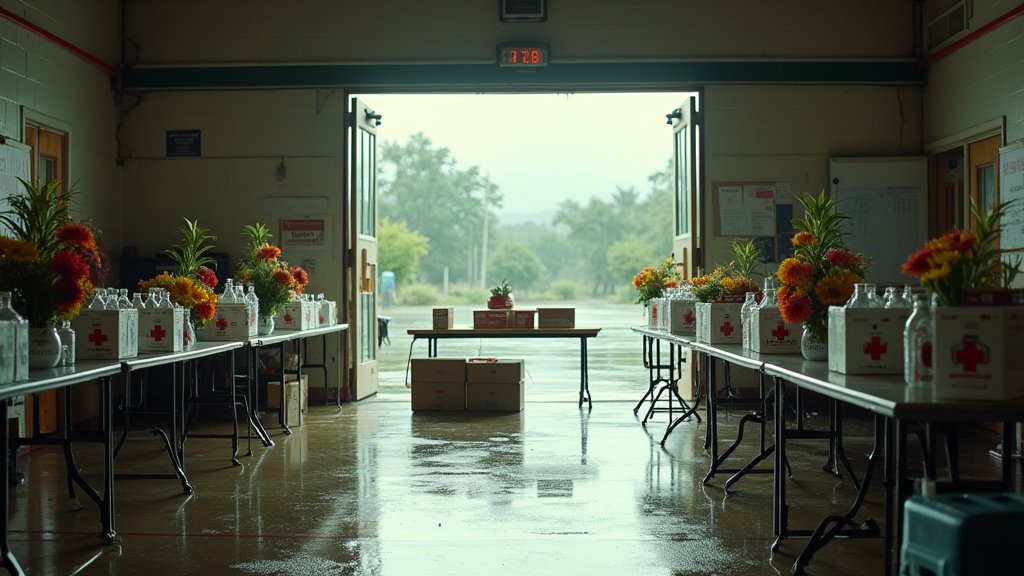
When Chow-Rule first arrived at the Nānākuli High School cafeteria, she faced a scene that defied standard clinical protocols. The facility had been transformed from a school lunchroom into a high-stakes medical and logistical outpost. Relying on traditional triage checklists proved insufficient in the face of the overwhelming emotional distress of the evacuees.
Chow-Rule made a pivotal tactical shift: she began her assessments by greeting residents in Pidgin. This linguistic choice was more than just a convenience; it was a profound act of validation. In a state of disaster, where the environment is often alien and sterile, the sound of one’s native dialect provides an immediate, subconscious sense of safety. By lowering the barrier between ‘provider’ and ‘patient,’ she was able to build the trust necessary to address not just physical ailments, but the underlying trauma caused by the loss of homes and possessions.
The Grassroots Safety Net
One of the most compelling aspects of the Kona Low response was the reliance on existing local networks. Chow-Rule noted that the resilience of the community was pre-existing; it simply activated when the rain began to fall. Local church members and community groups fanned out across the region, navigating flooded streets to rescue vulnerable neighbors. This was not a top-down response; it was a horizontal, community-led rescue effort. The Red Cross shelters, in this context, functioned less as a foreign entity and more as a hub for the community to reconvene and care for its own.
A Reflective Humanitarianism
In interviews regarding her service, Chow-Rule challenges the traditional narrative of the volunteer as a martyr. Instead, she articulates a reciprocal relationship. She describes a sense of ‘beautifully selfish’ satisfaction in the work. This highlights a crucial secondary angle in modern humanitarianism: the mental health benefit to the volunteer. In a high-stakes environment, the ability to act, to provide tangible aid, and to witness the recovery of a neighbor creates a sense of agency that acts as a buffer against the pervasive hopelessness that disaster often brings. By integrating her clinical background with this deep, personal emotional investment, Chow-Rule provides a blueprint for effective, sustainable disaster relief.
FAQ: People Also Ask
What is the significance of Volunteer Recognition Week?
It is an annual period—this year April 19–25—dedicated to acknowledging the essential work performed by unpaid volunteers. In organizations like the Red Cross, volunteers make up the vast majority of the workforce, handling everything from disaster assessment to shelter management.
How can I volunteer with the Red Cross in Hawaiʻi?
Individuals interested in supporting disaster relief efforts can register through the official American Red Cross website or contact local chapters directly. They often seek roles ranging from shelter support and disaster assessment to administrative and logistics assistance.
What makes the Kona Low storm unique?
Kona Lows are seasonal, low-pressure systems that move slowly and can dump immense amounts of rain over long periods, leading to persistent flooding and infrastructure failure, distinct from fast-moving tropical storms.
Why is culturally responsive communication important in disasters?
Language and dialect barriers can exacerbate stress in disaster victims. Using local language, such as Pidgin in Hawaii, establishes immediate rapport, increases trust, and helps gather more accurate information regarding the victims’ needs.