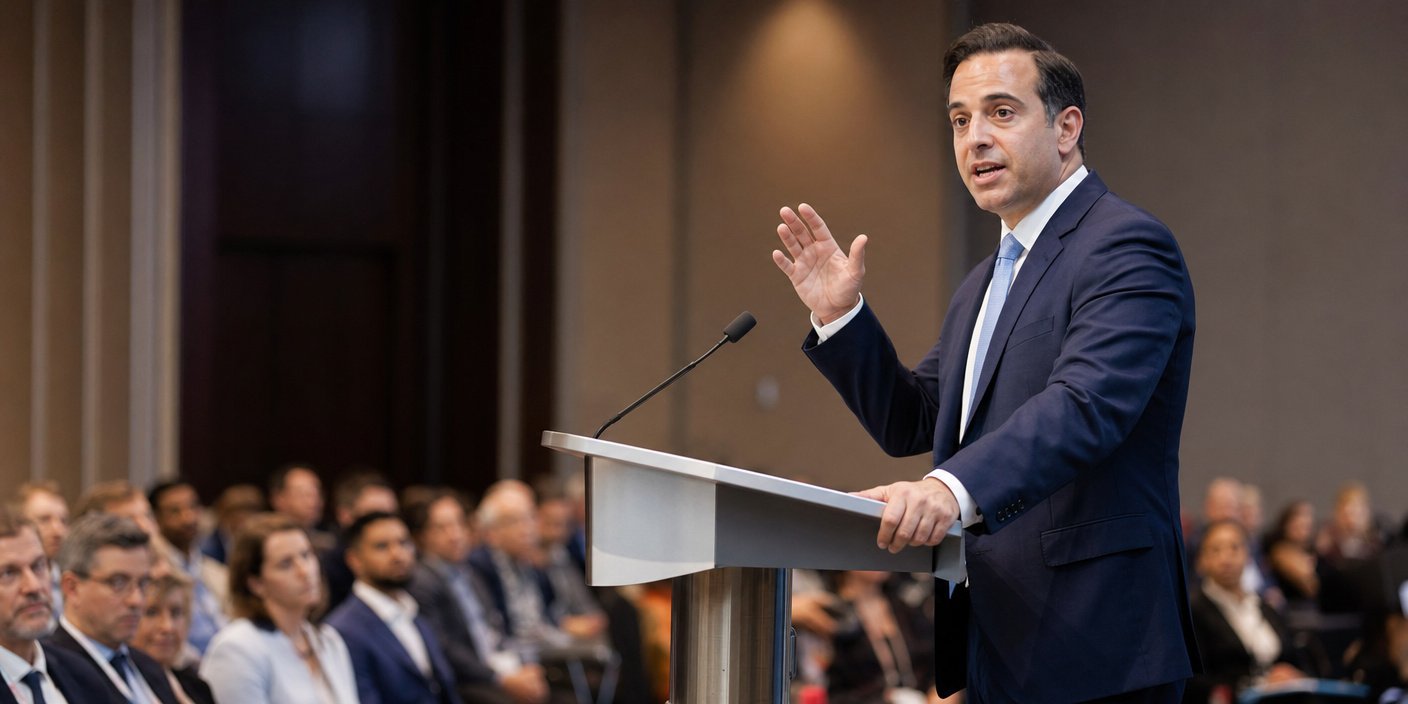
Good Neighbor Day America (GNDA) has officially ignited a nationwide movement, launching the ambitious ‘250 Million Acts of Kindness Challenge’ in partnership with America250. This mobilization effort, aimed at fostering a historic surge of community service, has enlisted a roster of influential American icons—including actress Sarah Drew, musician Pink Sweat$, and renowned brain health expert Dr. Daniel Amen—to champion the cause ahead of the May 16 milestone. The campaign is not merely a call for volunteerism; it is a meticulously designed sociological experiment intended to reshape the cultural landscape during the lead-up to the United States’ 250th anniversary, proving that scalable, consistent, and small-scale altruism can combat national trends of isolation and anxiety.
Key Highlights
- Ambitious Goal: GNDA aims to track 250 million acts of kindness across all 50 U.S. states and territories by May 16, 2026.
- Star-Studded Support: Influencers and icons, including Sarah Drew, Pink Sweat$, and Dr. Daniel Amen, are leveraging their massive platforms to promote the initiative and encourage participation.
- Scientific Foundation: The challenge is backed by the neurological understanding that kindness reduces cortisol, anxiety, and social isolation, potentially offering a mental health intervention for a strained nation.
- Accessibility: Participation is designed for low friction, allowing individuals to submit everything from buying coffee for a stranger to volunteering at major organized service sites.
The Architecture of Compassion: Why Kindness Matters Now
At the core of the ‘250 Million Acts of Kindness Challenge’ is a fundamental shift in how we define national engagement. While many campaigns focus on massive, singular events, GNDA is pioneering an ‘micro-altruism’ model. The strategy focuses on the cumulative power of individual, bite-sized interactions. According to recent data shared by the organization, the campaign is a direct response to rising rates of depression and social anxiety, particularly among Gen Z.
The Neuroscience of Service
Dr. Daniel Amen, a key voice in the movement, emphasizes that kindness is not just a moral choice; it is a physiological necessity. His advocacy for the campaign stems from the neurobiological benefits of altruism. When individuals perform acts of kindness, the brain experiences a decrease in cortisol and an increase in neurotransmitters associated with well-being and social bonding. In a country where depression treatment rates have surged, this challenge is positioned as a form of ‘brain medicine.’ By turning kindness into a trackable, gamified activity, GNDA is attempting to create a nationwide dopamine loop that prioritizes prosocial behavior over the typical divisiveness found in modern digital discourse.
Scaling Altruism in the Digital Age
Digital platforms have often been accused of fragmenting American society, yet GNDA is reclaiming the digital space as a tool for mobilization. Through the use of the #kindness250 hashtag and a centralized web portal, the campaign acts as an aggregator for goodwill. This is a critical evolution in civic infrastructure: turning social media into a verification system for real-world interaction. By requiring users to share their acts online, the campaign creates a public ledger of positivity, effectively making kindness ‘viral’ in a literal, biological sense. Each share serves as a beacon, encouraging followers to replicate the behavior, thereby creating a cascading effect of positive externalities.
The America250 Context: A Historical Milestone
The timing of this initiative is no coincidence. As the nation approaches its 250th anniversary, the dialogue surrounding what it means to be ‘American’ has reached a fever pitch. Partnering with America250—the nonpartisan federal initiative charged with planning the Semiquincentennial celebrations—grounds this kindness challenge in a broader historical narrative.
Reclaiming the Civic Fabric
The America250 partnership elevates this from a local charity drive to a national legacy project. It frames the 250th anniversary not just as a time for fireworks and historical retrospectives, but as an opportunity for the living generation to re-establish the social contract. By hosting service events in all 50 states, GNDA is attempting to decentralize the ‘American identity,’ moving it away from the polarized centers of Washington D.C. or New York and bringing it into the neighborhoods where the vast majority of citizens live, work, and interact.
Legacy Through Action
Historical commemorations often run the risk of becoming static. By embedding ‘250 million acts of kindness’ into the official celebration, the organizers are attempting to build a ‘living history.’ If successful, the May 16 target date will not be remembered for a specific speech or ceremony, but as the day the American public collectively decided to shift the national mood. It is an effort to demonstrate that the spirit of the ‘Good Neighbor’ is the foundational element that has sustained the American experiment for two and a half centuries.
The Celebrity Catalyst: Influencing the Cultural Conversation
One of the most effective strategies employed by GNDA is the recruitment of cultural icons across disparate fields. Having Sarah Drew, a staple of television drama, alongside someone like Pink Sweat$, whose artistic output is defined by a gentle, optimistic R&B sound, provides the campaign with cross-generational reach.
Why Influencers are the Modern Public Servants
Traditional public service announcements struggle to gain traction in an attention-starved economy. By utilizing celebrities, GNDA is tapping into ‘parasocial’ capital. When a fan sees a favorite actor or musician actively engaging in a simple, humble act of kindness—like picking up trash or helping a stranger—it normalizes that behavior in a way that corporate advertising cannot. It transforms the challenge from a mandate into a lifestyle brand.
The ‘Jimmy’ Connection
Sarah Drew’s involvement is particularly poignant. Her connection to the upcoming film about Jimmy Stewart—an actor whose real-life persona was inextricably linked to the ‘Good Neighbor’ archetype—adds a layer of historical continuity to the campaign. It reminds participants that the ‘Good Neighbor’ is a classic, durable American trope. This strategy of linking modern influencers to historic archetypes of decency is a clever way to bypass political polarization, appealing instead to a shared, nostalgic version of American virtue.
Logistics of the Movement
For the uninitiated, participating in the challenge is intentionally low-barrier. The organizers have recognized that to achieve a goal as astronomical as 250 million, the ‘cost’ of entry must be virtually zero. Participants do not need to sign up for weeks-long volunteer stints; they simply need to be observant and intentional.
The Gamification of Kindness
The challenge utilizes a reward-based structure to drive submissions. By linking entry into the prize drawings with the submission of proof of kindness, GNDA is utilizing the same behavioral psychology as commercial contests to incentivize altruism. This is a pragmatic, if slightly cynical, application of modern marketing psychology for a humanitarian end. It acknowledges that human beings are often more motivated to act when there is a tangible reward, and GNDA has successfully commodified the act of giving in a way that keeps the momentum moving toward the May 16 deadline.
FAQ: People Also Ask
Q: How do I officially count my act of kindness toward the 250 million goal?
A: You can register your acts directly on the Good Neighbor Day America website. By following the instructions and using the #kindness250 hashtag on social media, your contribution is tracked as part of the nationwide total.
Q: Do acts of kindness have to be large or expensive?
A: Not at all. The movement emphasizes that ‘small acts, big impact.’ Activities ranging from holding a door, complimenting a stranger, or leaving a kind note are all valid and highly encouraged contributions to the total.
Q: Is this only for residents of the United States?
A: Yes, the challenge is specifically designed for U.S. residents to coincide with the America250 commemorations and the lead-up to the nation’s 250th anniversary.
Q: What happens if the goal is met or exceeded before May 16?
A: The organizers have noted that the goal is a minimum threshold. Even if they hit 250 million early, the movement is intended to serve as a catalyst for a sustained culture of service that continues well beyond the May 16 deadline.