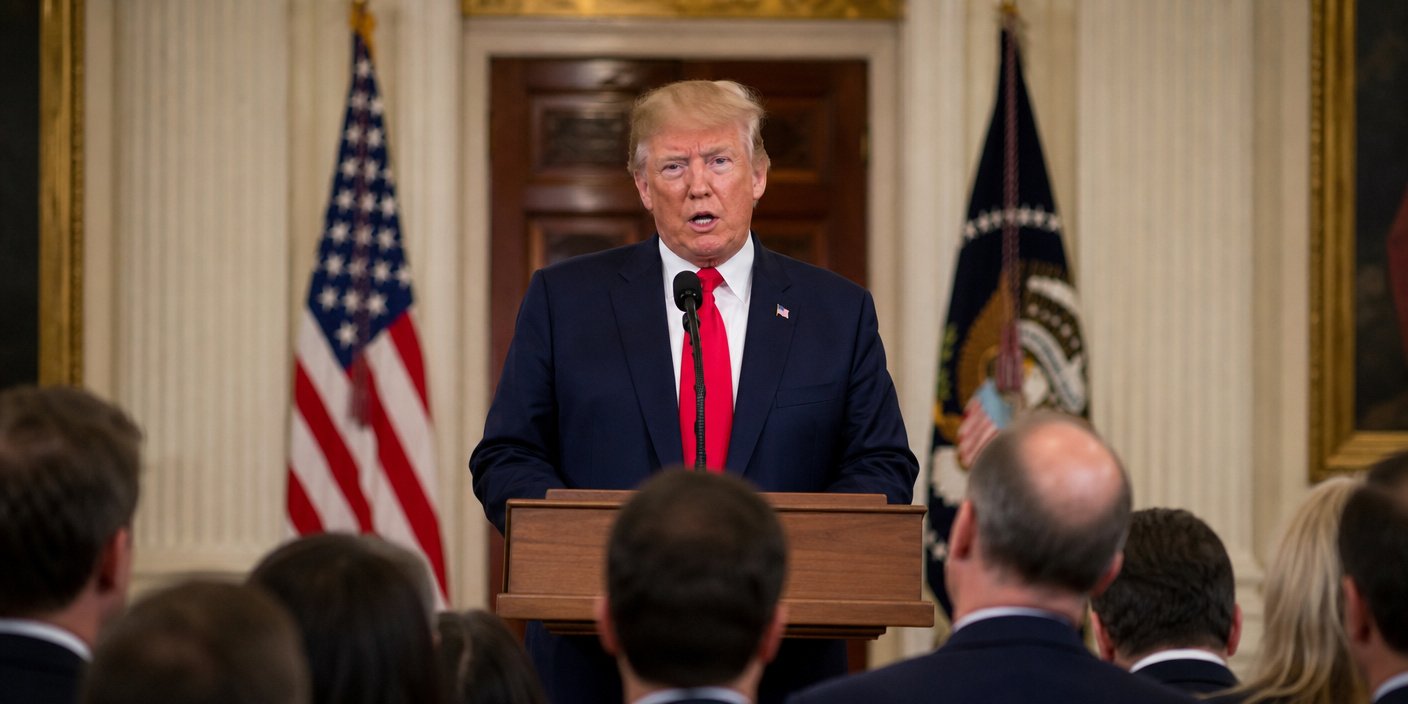
Iran’s Islamic Revolutionary Guard Corps (IRGC) Navy has seized two commercial vessels, the MSC Francesca and the Epaminondas, in a high-stakes maritime operation in the Strait of Hormuz. The seizure occurred early Wednesday, creating immediate geopolitical aftershocks that threaten to derail ongoing, fragile peace talks between Washington and Tehran. The incident, which also saw reports of a third ship, the Euphoria, being fired upon, comes mere hours after U.S. President Donald Trump announced an indefinite extension of the ceasefire—a move that was intended to stabilize the region but appears to have done little to de-escalate tensions on the high seas.
The Incident and Escalating Tensions
According to reports confirmed by the United Kingdom Maritime Trade Operations (UKMTO) and Iranian state media, the MSC Francesca and the Epaminondas were intercepted and directed toward Iranian territorial waters. The IRGC alleged that the vessels were operating without proper authorization and had tampered with their Automatic Identification Systems (AIS), a maneuver they claimed endangered maritime safety. The IRGC statement was blunt: “Disrupting order and safety in the Strait of Hormuz is our red line.”
In addition to the two seizures, separate reports indicated that a third vessel, the Euphoria, came under fire while attempting to traverse the strait. These acts represent a significant hardening of Iran’s position regarding the maritime chokepoint, which historically accounts for roughly one-fifth of the world’s oil and liquefied natural gas (LNG) traffic. The situation has left the shipping industry on edge, with many vessels now loitering outside the strait or turning around entirely to avoid the volatile environment.
The Strategic Chokepoint: A Geopolitical Chessboard
The Strait of Hormuz has transformed into the most critical geopolitical flashpoint of 2026. Since the U.S.-led naval blockade of Iranian ports began in response to the broader conflict, the strait has been effectively turned into a weaponized corridor. The current crisis is not merely about individual ship seizures; it is a manifestation of an ongoing economic war.
The Failure of Diplomatic Channels
The seizure occurred against the backdrop of stalled peace negotiations. While President Trump’s announcement of a ceasefire extension was framed as a diplomatic olive branch, the reality on the ground—and on the water—tells a different story. Iranian officials have expressed frustration with the continued U.S. naval blockade, describing it as a breach of the spirit of the ceasefire. By restricting traffic through the strait, Tehran appears to be leveraging the global energy dependence on this route to apply maximum pressure on the United States and its regional allies.
The Economic Ripple Effects
The volatility in the Strait of Hormuz has sent shockwaves through global energy markets. With traffic reaching near-zero levels at various points throughout April, the uncertainty surrounding energy supplies has forced a spike in global fuel costs. For insurers, the risk profile of the region has become unmanageable, leading to skyrocketing premiums that are further inflating the cost of goods and impacting global supply chains. The longer the stalemate continues, the more the global economy risks a structural shock, as shipping companies are forced to seek alternative, more costly routes or suspend transit entirely.
Intelligence and Security Dynamics
The IRGC’s insistence that the seized ships were ‘tampering’ with navigation systems serves as a pretext for greater control over the strait. By asserting that it is performing ‘smart control’ of the waterway, Iran is challenging the international community’s right to freedom of navigation. This creates a dangerous precedent: as long as the U.S. continues to blockade Iranian ports, Iran is likely to continue citing ‘maritime regulations’ as the justification for intercepting vessels that it suspects are complying with U.S. directives.
FAQ: People Also Ask
1. Why did the IRGC seize these specific ships?
The IRGC stated that the MSC Francesca and Epaminondas were seized for failing to follow navigation regulations, specifically alleging that they turned off their transponders (AIS) to avoid detection while attempting to exit the strait. Iran views these actions as a violation of its sovereignty and security ‘red line’ in the region.
2. How does this affect global oil prices?
The Strait of Hormuz is a vital energy artery. Any disruption or threat to transit through this corridor causes immediate concern for global energy security. Because a significant portion of the world’s oil and LNG passes through the strait, these incidents create market panic, leading to volatility and price increases in crude oil and natural gas futures.
3. What is the current status of the U.S.-Iran ceasefire?
While President Trump announced an indefinite extension of the ceasefire, the situation remains highly unstable. The diplomatic tracks have largely stalled, and the maritime incidents demonstrate that military and paramilitary actors on the ground are operating independently or in direct defiance of diplomatic overtures, rendering the ceasefire largely symbolic in the maritime domain.