
A powerful 7.5-magnitude earthquake struck off the northeastern coast of Japan earlier today, triggering immediate tsunami warnings and setting emergency protocols into motion across the Tohoku region and Hokkaido. The tremor, occurring at a relatively shallow depth of 10km in the Pacific waters off Iwate prefecture, prompted the Japan Meteorological Agency (JMA) to issue urgent alerts for coastal residents to evacuate to higher ground as waves of up to three meters were forecast. Prime Minister Sanae Takaichi has since established an emergency task force to coordinate disaster response and assess potential damage, as the nation remains on high alert amid fears of seismic aftershocks.
Key Highlights
- Significant Seismic Event: A 7.5-magnitude quake (preliminarily revised to 7.7) struck off the northern coast, felt as far as Tokyo.
- Tsunami Risk: Authorities issued warnings for Iwate, Aomori, and Hokkaido, urging residents to immediately seek higher ground.
- Infrastructure Impact: Tohoku Shinkansen services were suspended as a precaution, with safety checks ongoing across rail and power infrastructure.
- Preparedness Protocols: The JMA has triggered its standard emergency response, activating disaster management teams and evacuation orders for coastal communities.
- Psychological Weight: Given the region’s history, the event has triggered widespread concern, though early reports suggest damage is contained.
The Seismic Reality of the Northern Pacific
Japan’s geographical position atop the volatile “Ring of Fire” makes it one of the world’s most seismically active nations, yet each major event brings a fresh wave of anxiety and a rigorous test of its world-class infrastructure. This latest earthquake, originating near the Chishima Trough, serves as a stark reminder of the geological forces constantly at play beneath the Japanese archipelago. Unlike deeper tremors, this shallow-focus quake, occurring at just 10km below the seabed, generated significant surface intensity, registering an “upper 5” on Japan’s seismic intensity scale. This level of shaking is sufficient to destabilize unreinforced structures and cause widespread mobility issues.
Geological Vulnerability and the Chishima Trough
The epicenter, located in the Pacific waters off northeastern Japan, places this event in a sensitive geological zone. The Chishima Trough, an oceanic trench that extends from Hokkaido to the Kuril Islands, is notorious for its ability to produce large-scale subduction earthquakes. While the current 7.5-magnitude event has been characterized by authorities as a major tremor, it has also sparked discussions among geologists regarding the accumulated stress in this specific region. The JMA’s rapid deployment of tsunami warnings reflects Japan’s sophisticated early-warning system, which utilizes ocean-bottom pressure sensors to detect displacement before it translates into visible waves along the coastline.
The Infrastructure Response: Precision Under Pressure
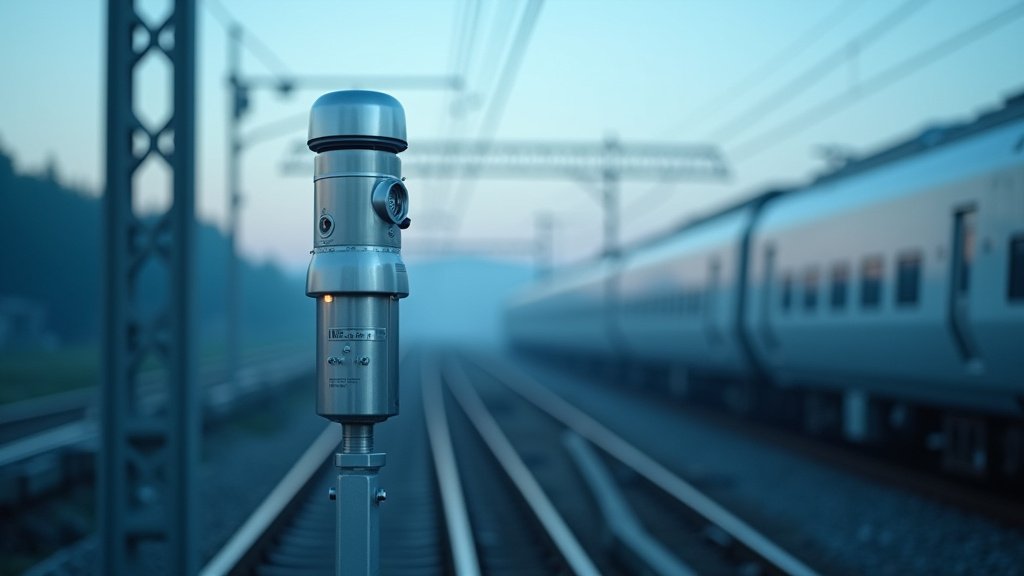
In the immediate wake of the quake, the efficiency of Japan’s transport and utility sectors was put to the test. The suspension of the Tohoku Shinkansen, a vital artery of the national transportation network, was a necessary, if disruptive, measure. These systems are designed with automatic shut-off triggers—seismic sensors integrated into the rail tracks that bring high-speed trains to a halt the moment a certain threshold of acceleration is detected. This safety-first culture, born from decades of engineering refinement, contrasts sharply with the chaos often seen in other parts of the world during similar natural disasters. Utility companies, including Hokkaido Electric Power and Tohoku Electric Power, immediately began comprehensive assessments of their facilities, including shutdown nuclear installations, to ensure the integrity of cooling systems and containment structures.
Psychological Resonance: Lessons from 2011
For many living in the Tohoku region, the sirens and evacuation orders of April 20, 2026, echoed the trauma of the 2011 Great East Japan Earthquake. While the current event is significantly less catastrophic in magnitude and outcome, the collective memory of the 2011 disaster dictates the public response. Evacuation routes are well-marked, and drills are a routine part of school and workplace culture. Local municipalities reported that evacuation orders were followed swiftly, with residents moving inland or to higher elevations long before the first wave hit the coast. This disciplined adherence to safety protocols is a cornerstone of Japan’s resilience strategy, minimizing the risk to human life even when the earth itself is in motion.
FAQ: People Also Ask
Why are shallow earthquakes more dangerous?
Shallow earthquakes (usually defined as occurring at depths of less than 70km) are generally more dangerous because the seismic energy has less distance to dissipate before it reaches the surface. This causes more intense shaking, structural damage, and a higher likelihood of generating a tsunami if the rupture occurs underwater.
What is the ‘Ring of Fire’ and why does it affect Japan?
The Ring of Fire is a 40,000km horseshoe-shaped belt of high volcanic and seismic activity that encircles the Pacific Ocean. Japan sits where several tectonic plates—including the Pacific and Philippine Sea plates—collide or subduct, making the country prone to frequent, and often powerful, earthquakes.
What does the JMA tsunami advisory mean?
A tsunami advisory indicates that a tsunami is expected with a maximum wave height of up to 1 meter, which can still cause dangerous currents, damage to small boats, and risks to coastal infrastructure. A tsunami warning, in contrast, suggests waves of 3 meters or higher, requiring immediate evacuation.
Are there expected long-term impacts from this quake?
While current assessments suggest minimal widespread damage, the primary long-term impact is the heightened surveillance of the Chishima Trough. Government agencies will monitor for potential “mega-quake” precursors, emphasizing disaster preparedness and infrastructure reinforcement in the coming months.