
Escalation in the Middle East: Iran Targets Gulf States After U.S. Strikes
In a dramatic turn of events, Iran has launched retaliatory missile and drone strikes against U.S. military bases and interests in Bahrain, Kuwait, and Qatar. This aggressive move comes in direct response to a series of U.S. airstrikes that struck targets within Iran, resulting in significant casualties. The escalating conflict threatens to destabilize the region further and jeopardizes an interim deal aimed at ending the ongoing war.
The Chain of Retaliation
The recent exchange of hostilities began with U.S. airstrikes targeting approximately 90 Iranian military sites. These attacks, described by the U.S. as aimed at degrading Iran’s ability to threaten commercial shipping, resulted in at least 14 deaths and 78 injuries within Iran, according to the Iranian Health Ministry. The U.S. military’s Central Command confirmed the strikes, releasing footage of targets including airport runways and missile launchers. Some reports indicated that a U.S. projectile also struck near the perimeter of Iran’s Bushehr nuclear power plant.
In retaliation, Iran’s Islamic Revolutionary Guard Corps (IRGC) announced it had targeted U.S. military installations in Kuwait (Arifjan and Ali Al Salem bases) and Bahrain (Juffair and Sheikh Isa bases). Air-raid sirens were activated in Bahrain and Kuwait, and residents in Qatar received alerts urging them to stay indoors due to the threat of missile and drone strikes. While the U.S. stated that Iranian attacks caused no significant damage or injuries to its personnel, the retaliatory actions underscore a dangerous cycle of escalation.
Strait of Hormuz Tensions Simmer
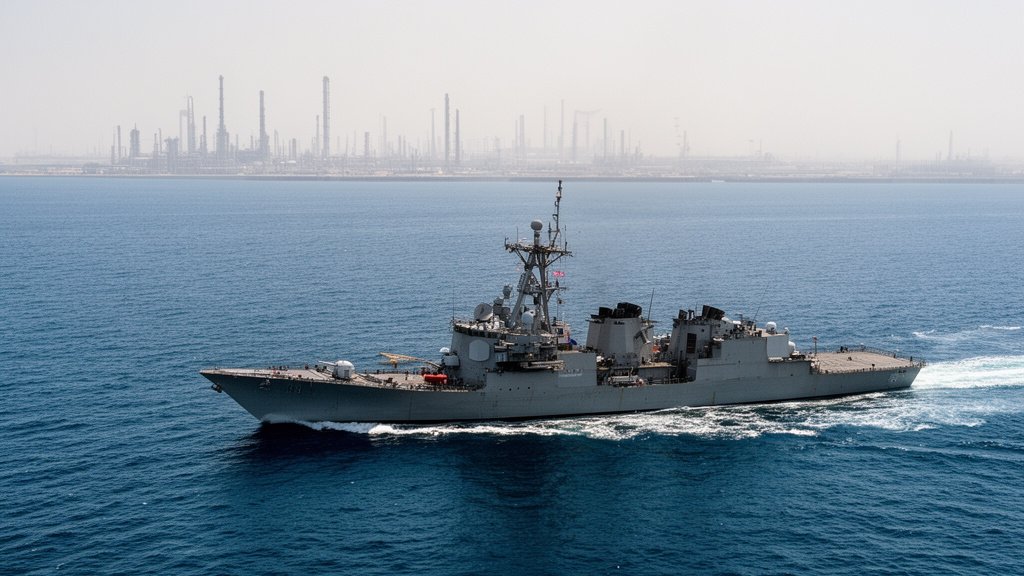
Adding to the volatile situation, recent attacks on commercial vessels in the Strait of Hormuz have heightened concerns about maritime security. A Qatari LNG tanker, the Al Rekayyat, and a Saudi crude tanker, the Wedyan, were struck near the Strait of Hormuz on July 7. While no crew members were reported injured, these incidents led maritime authorities to raise the threat level for transiting the strait to “severe.” The attacks disrupted a fragile détente between the U.S. and Iran, which had previously agreed to reopen the vital waterway following a three-month war.
These maritime incidents, coupled with the direct military exchanges, threaten energy supplies crucial to the global economy. The U.S. has warned Iran that its actions in the Strait of Hormuz are “wholly unacceptable” and will have consequences, leading to the revocation of a license previously granted to Iran for oil sales.
Funeral Processions Amidst Conflict
Simultaneously, Iran has been conducting extensive funeral ceremonies for its slain Supreme Leader, Ayatollah Ali Khamenei, who was killed in a U.S.-Israeli airstrike on February 28. His burial took place on July 9 in Mashhad after days of processions that traversed Iran and Iraq. The funeral events, attended by large crowds, have also been marked by calls for revenge against U.S. President Donald Trump. The ongoing conflict has even impacted transportation, with train services between Tehran and Mashhad suspended due to damage to the railway line from U.S. strikes.
Broader Geopolitical Implications
The intensified conflict between Iran and the U.S., involving direct strikes and proxy actions in allied nations, signals a critical juncture in the region’s geopolitical landscape. The threat of a wider regional war looms large, potentially engulfing several countries and severely disrupting global energy markets. The fragile ceasefire and the interim deal aimed at de-escalating tensions appear increasingly precarious amidst this escalating cycle of violence.
FAQ: People Also Ask
What were the immediate triggers for Iran’s retaliatory strikes?
Iran launched missile and drone strikes against U.S. military bases in Bahrain, Kuwait, and Qatar in direct response to recent U.S. airstrikes that targeted Iranian territory.
What was the impact of the U.S. airstrikes on Iran?
According to Iran’s Health Ministry, the U.S. airstrikes resulted in at least 14 deaths and 78 injuries. Some reports also indicated that a U.S. projectile struck near the Bushehr nuclear power plant.
How has the conflict affected maritime security in the Strait of Hormuz?
Recent attacks on commercial tankers in the Strait of Hormuz have heightened risks, leading maritime authorities to classify the threat level as “severe.” This has disrupted shipping and raised concerns about global energy supplies.
What is the significance of the Strait of Hormuz in global trade?
The Strait of Hormuz is a vital maritime choke point through which a significant portion of the world’s seaborne oil trade and liquefied natural gas (LNG) passes.
What is the current status of the ceasefire between the U.S. and Iran?
The fragile ceasefire and an interim deal aimed at ending the war have been repeatedly threatened by the recent exchanges of fire, raising fears of a wider regional conflict.