The landscape of live entertainment in America has become a financial minefield for consumers, with new data from Vanderbilt University confirming a staggering $11 billion annual loss attributed to opaque ticket fees and aggressive resale upcharges. This financial erosion represents not merely an inconvenience, but a structural extraction of wealth from the American consumer, prompting bipartisan calls for federal intervention to dismantle the mechanisms behind this massive economic drain.
Key Highlights
- $11 Billion Annual Loss: Vanderbilt University research quantifies the yearly financial impact of service fees, processing charges, and resale upcharges on American consumers.
- The ‘Drip Pricing’ Phenomenon: The study highlights how ticket platforms utilize psychological pricing strategies, revealing only base costs upfront to manipulate buyer behavior.
- Monopolistic Market Consolidation: Analysts link these costs to the market dominance of major entities like Live Nation Entertainment and Ticketmaster, which control significant portions of both ticketing and venue management.
- Regulatory Pushback: Federal agencies, including the Federal Trade Commission (FTC) and the Biden Administration, are actively pursuing ‘junk fee’ legislation to force transparent, all-in pricing.
Unmasking the $11 Billion Ticket Economy
The $11 billion figure, brought to light by rigorous analysis from Vanderbilt University, serves as a watershed moment for the live events industry. For years, consumer advocates have pointed to the ‘drip pricing’ model—where a base ticket price is artificially low, only to be inflated by 30% to 50% through hidden processing, facility, and ‘service’ fees at the final checkout stage—as a predatory practice. This Vanderbilt study provides the hard empirical data necessary to shift the conversation from anecdotal frustration to a concrete economic crisis. The study illustrates that these fees are not merely operational costs but profit-maximizing levers utilized to extract maximum consumer surplus.
The Mechanics of Market Consolidation
At the heart of the debate lies the issue of market power. The integration of primary ticketing, secondary resale marketplaces, and venue ownership creates a closed-loop system where competition is effectively stifled. Entities like Ticketmaster, a subsidiary of Live Nation Entertainment, dominate the infrastructure of live events. By controlling the supply of tickets at the primary level and operating the largest platforms for secondary resale—such as StubHub and SeatGeek—the ecosystem creates an environment where ‘dynamic pricing’ and algorithmic scalping thrive. The Vanderbilt report underscores that this consolidation allows for the normalization of price gouging, where the scarcity of high-demand events is weaponized against the consumer.
The Anatomy of the Resale Surge
The secondary resale market has evolved from a niche fan-to-fan exchange into a sophisticated, algorithmic operation. Sophisticated ‘bot’ technology allows scalpers to harvest inventory within seconds of a ticket drop, effectively laundering primary tickets into the secondary market where prices are marked up by hundreds of dollars. This secondary cycle is often fueled by the platforms themselves, which collect ‘double dipping’ fees: taking a percentage from the original seller and another from the new buyer. This adds layers of inflation that are disconnected from the actual value of the entertainment provided, further contributing to the total $11 billion annual loss documented by researchers.
Legislative Battles and the ‘Junk Fee’ Era
The public outcry surrounding these costs has not gone unnoticed in Washington. The Biden Administration’s aggressive push against ‘junk fees’ across various sectors of the economy—including banking, airlines, and hospitality—has now firmly pivoted toward live entertainment. The Federal Trade Commission (FTC) is currently evaluating rules that would mandate all-in pricing, ensuring that the total cost of a ticket is displayed to the consumer before they begin the checkout process.
Proponents of this legislation argue that price transparency is the first step in breaking the cycle of consumer exploitation. However, opponents in the ticketing industry argue that federal interference could stifle the ‘dynamic pricing’ models that allow promoters to capture value that otherwise goes to scalpers. The Vanderbilt data serves as a direct rebuttal to this narrative, suggesting that current dynamic pricing models are not efficient market regulators, but rather vehicles for rent-seeking behavior that prioritize corporate margins over fan accessibility.
Secondary Angles: Future Implications
1. The Erosion of Disposable Income: The $11 billion drain represents a significant contraction of disposable income that would otherwise flow into other areas of the creative economy, such as merchandise, artist support, or local dining near event venues.
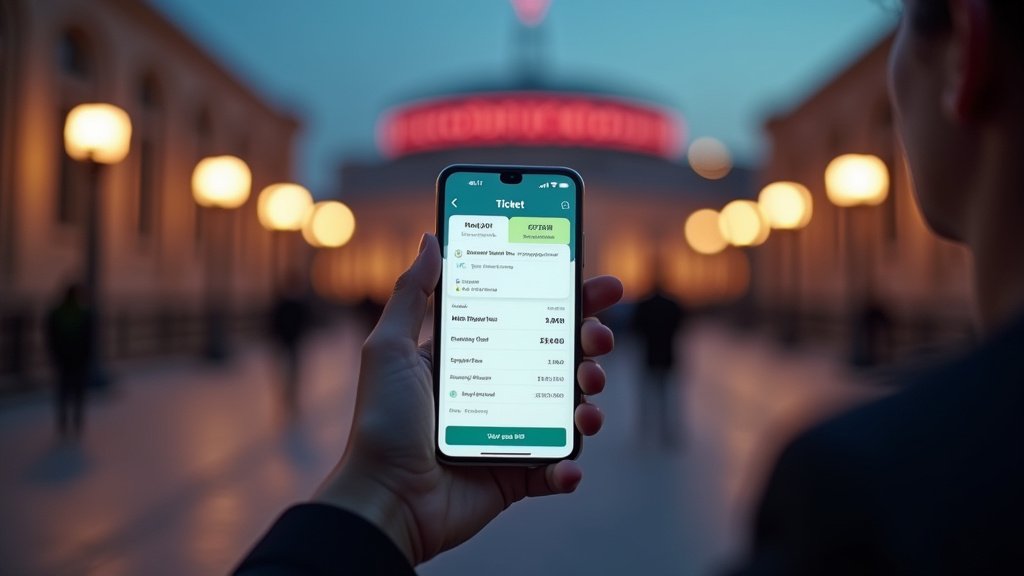
2. The Technological Cold War: As regulation tightens, we can expect a technological arms race. Platforms are shifting toward ‘non-transferable’ digital tickets to curb scalping, but this raises separate concerns regarding consumer ownership and the ability to resell tickets at face value.
3. The Rise of Alternative Ticketing: The dominance of major players may inadvertently open the door for blockchain-based, decentralized ticketing platforms. These systems aim to eliminate the ‘middleman’ fees entirely, though they face significant barriers to entry in a market where exclusive contracts between ticket providers and arenas act as a massive moat.
FAQ: People Also Ask
Q: Why does the $11 billion figure matter so much?
A: The figure provides concrete, quantified evidence of financial harm, which is essential for FTC regulators to build legal cases against companies for deceptive trade practices and antitrust violations.
Q: What is ‘drip pricing’ and why is it problematic?
A: Drip pricing occurs when companies show a low base price for a ticket and add non-optional fees incrementally during checkout. It is problematic because it prevents consumers from comparing prices accurately and lures them into a transaction before revealing the true, inflated cost.
Q: Are there actual laws being passed to stop these fees?
A: Yes, the Biden Administration has proposed the ‘Junk Fee Prevention Act,’ and the FTC is drafting regulations to require ‘all-in pricing.’ These measures would legally mandate that companies disclose the total price upfront, making hidden fees harder to implement.
Q: Does buying from resale sites always cost more?
A: Generally, yes. The Vanderbilt data suggests that the combination of market consolidation and algorithmic pricing tools in the resale market keeps prices significantly above face value for high-demand events, effectively taxing fans for participating in the live event market.