Strait of Hormuz Tensions Escalate Amidst Iranian Warning Shots and U.S. Strikes
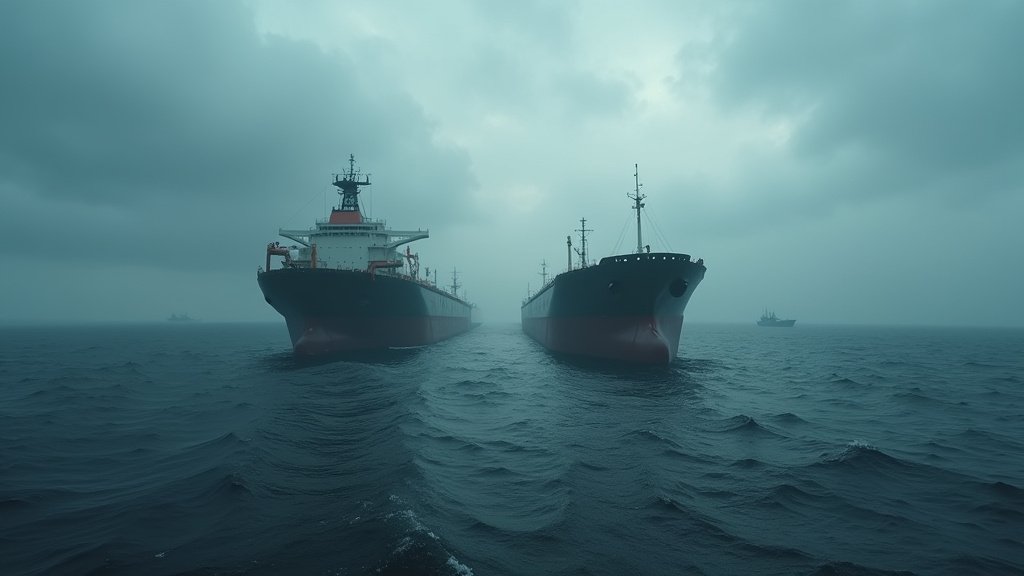
The strategic Strait of Hormuz has become the epicenter of a dangerous escalation between Iran and the United States, following Iran’s Islamic Revolutionary Guard Corps (IRGC) firing warning shots at a vessel attempting to navigate an unauthorized route through the critical waterway. This incident, which resulted in a Cyprus-flagged container ship sustaining significant damage and a civilian crew member going missing, prompted a swift U.S. response: a new round of strikes against Iran. Iran has since declared the Strait of Hormuz closed until further notice, exacerbating concerns over global trade and regional security.
IRGC Actions and U.S. Retaliation
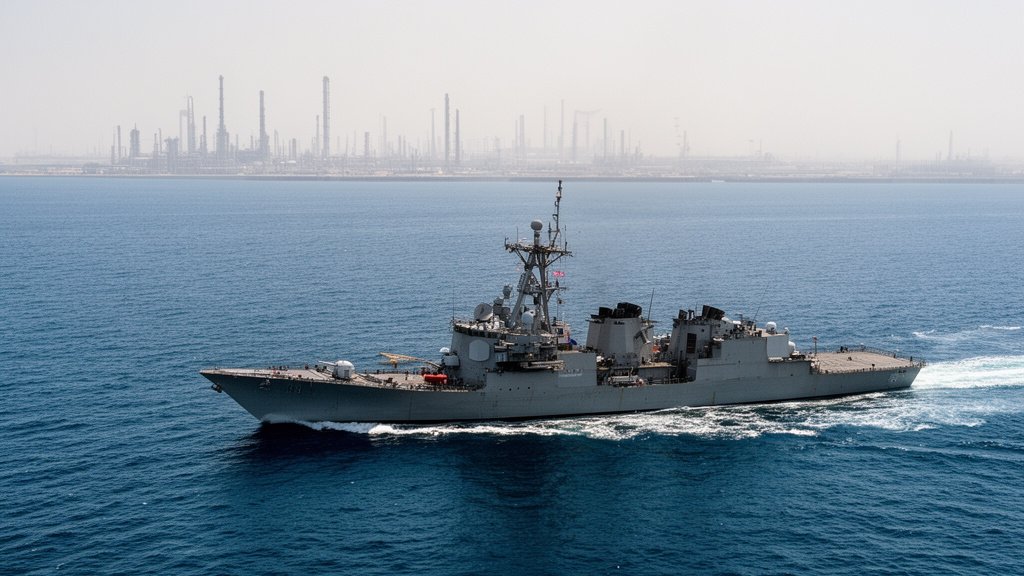
On July 12, 2026, the IRGC reported that multiple vessels disregarded warnings and instructions to correct their course in the Strait of Hormuz. One vessel was struck by a warning shot and brought to a halt. In response to the attack on the commercial vessel, which left a civilian crew member missing and the ship severely damaged, U.S. Central Command confirmed that its forces initiated a third round of strikes against Iran. These strikes targeted Iranian military sites, with Defense Secretary Pete Hegseth stating, “Iran made a poor choice. Now they pay.” The U.S. aims to impose a heavy cost on Iran for its actions, degrading its ability to attack civilian mariners and commercial ships.
Global Ramifications of Hormuz Closure
The closure of the Strait of Hormuz, through which a significant portion of the world’s oil and liquefied natural gas shipments pass, has sent shockwaves through global markets. Iran declared the strait closed “until further notice,” with its Islamic Revolutionary Guard Corps stating it would remain shut until “the end of US interference in this region.” The U.S. has demanded Iran guarantee safe, toll-free passage, highlighting the strait’s critical role in global energy security. The situation is further complicated by ongoing negotiations between Iran and the U.S. regarding a ceasefire and the security of the strait, which have been jeopardized by these recent events.
Secondary Angles
Historical Context of Strait of Hormuz Tensions: The Strait of Hormuz has long been a flashpoint for tensions between Iran and the United States, as well as other global powers. Iran has previously used its strategic position to exert influence over maritime traffic, particularly during periods of heightened geopolitical conflict. Incidents involving warning shots, vessel seizures, and retaliatory strikes have occurred sporadically over the years, underscoring the volatile nature of this chokepoint. The current escalation follows a period of stalled negotiations and a precarious ceasefire, making the closure of the strait a significant blow to diplomatic efforts.
Economic Impact on Global Shipping: The closure of the Strait of Hormuz has immediate and far-reaching economic consequences. Disruptions to oil and gas shipments can lead to price volatility in energy markets and impact global supply chains. Major economies reliant on these shipments face the prospect of increased costs and potential shortages. Analysts suggest that Iran may be using such actions to gain leverage in ongoing negotiations, aiming to influence the terms of any future agreements. The economic stability of numerous countries is intrinsically linked to the unimpeded flow of commerce through this vital maritime route.
The Role of Diplomacy Amidst Escalation: Despite the military actions and the closure of the Strait of Hormuz, diplomatic channels remain open. An Iranian delegation traveled to Oman to continue negotiations via mediators, even as exchanges of fire with the U.S. threatened to derail a mid-June memorandum of understanding. Both sides have engaged in a war of words, with President Trump issuing threats and Iran’s supreme leader vowing revenge. The challenge lies in de-escalating the situation and finding a diplomatic resolution that ensures the safety and security of maritime traffic while addressing the underlying geopolitical issues.
FAQ: People Also Ask
Q1: What is the Strait of Hormuz and why is it important?
A1: The Strait of Hormuz is a narrow waterway connecting the Persian Gulf to the Gulf of Oman. It is one of the world’s most important oil transit points, carrying about 20-30% of the world’s seaborne oil trade. Its strategic location makes it a critical chokepoint for global energy security.
Q2: What led to the current closure of the Strait of Hormuz?
A2: Iran’s Islamic Revolutionary Guard Corps (IRGC) fired warning shots at a vessel using an unauthorized route, which damaged a Cyprus-flagged container ship and caused a civilian crew member to go missing. In response, Iran declared the strait closed until further notice.
Q3: What was the U.S. response to Iran’s actions?
A3: The U.S. military launched a third round of strikes against Iran in retaliation for the attack on the commercial vessel. U.S. Central Command stated these strikes were intended to degrade Iran’s ability to attack civilian mariners and commercial ships.
Q4: Are there any other significant global events happening concurrently?
A4: Yes, Typhoon Bavi made landfall in eastern China, prompting the evacuation of over 1.7 million people. In sports, Argentina defeated Switzerland 3-1 in extra time to secure a spot in the FIFA World Cup semi-finals against England, and Linda Noskova won her first Wimbledon women’s singles title by defeating fellow Czech Karolina Muchova.