
The dawn of September 5, 2026, has brought a convergence of global security crises that threaten to reshape the geopolitical status quo. As international diplomatic channels strain under the weight of shifting alliances and aggressive tactical maneuvers, policymakers are scrambling to interpret the events of the last 24 hours. From the halls of American political discourse regarding the future of NATO to the burning debris of the SBU headquarters in Kyiv and the unpredictable military developments in Bolivia, this morning’s briefing highlights a world increasingly defined by kinetic conflict and strategic uncertainty.
Key Highlights
- Trump’s NATO Pivot: Former President Donald Trump has issued a series of provocative assertions regarding Vladimir Putin’s long-term intentions toward NATO, signaling a potential shift in US foreign policy doctrine.
- Kyiv Under Fire: A precision Russian drone strike has successfully targeted the SBU headquarters in Kyiv, escalating the intensity of the ongoing conflict and raising questions about air defense capabilities.
- Bolivian Military Incident: Unconfirmed but significant military activity in Bolivia has triggered regional alarms, marking a new potential flashpoint in Latin American security.
- Global Market Reaction: Analysts are observing increased volatility in energy and defense commodities as investors react to the rapid succession of these international incidents.
A Confluence of Crises: Navigating the New Geopolitical Reality
The events unfolding today are not isolated incidents but rather symptomatic of a fragmented international order. On September 5, 2026, the intersection of political rhetoric and hard power military operations serves as a stark reminder of the fragile nature of current geopolitical stability.
The Trump-Putin NATO Doctrine
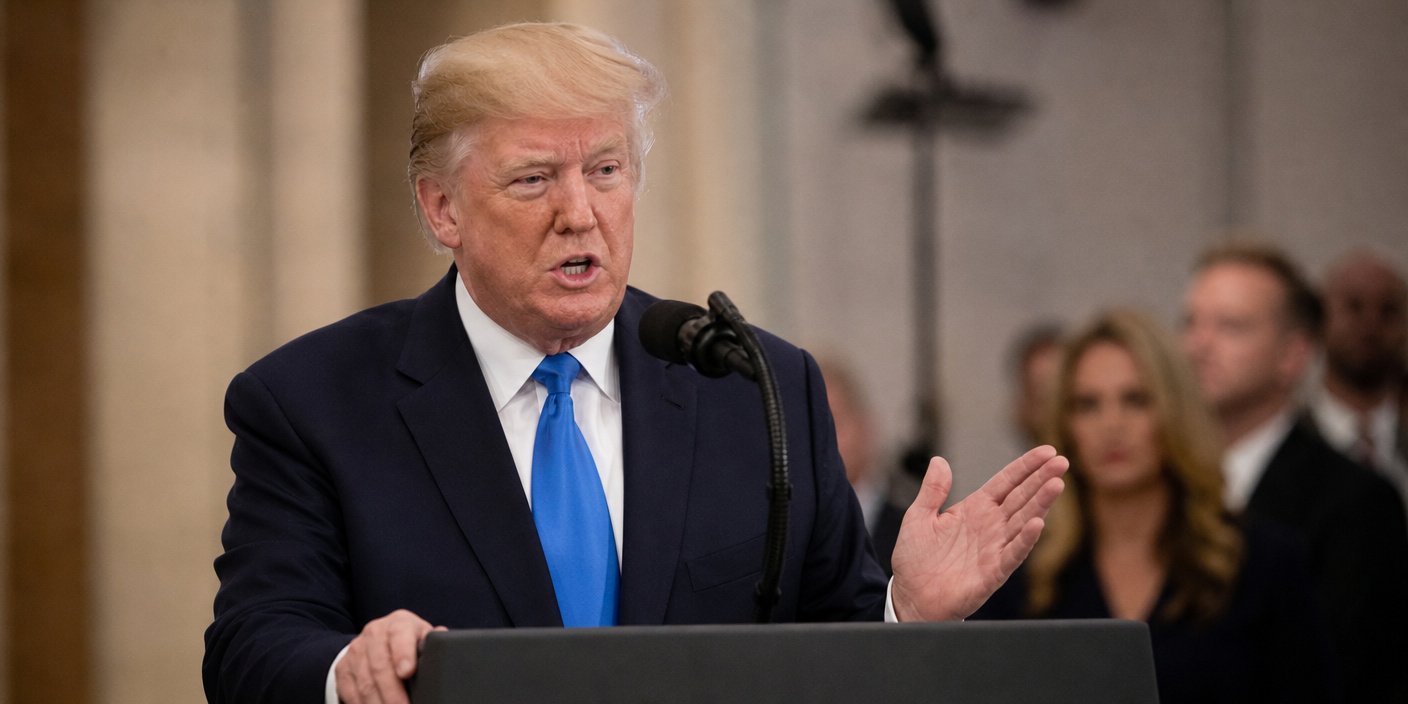
Perhaps the most significant development in domestic US discourse is the recent articulation by Donald Trump regarding Vladimir Putin’s strategic intentions toward NATO. Trump’s assertion, which has already sparked rigorous debate in both Washington and Brussels, suggests a fundamental re-evaluation of the trans-Atlantic security architecture. For years, the debate surrounding NATO has centered on funding and burden-sharing; however, Trump’s commentary introduces a more existential question: does the alliance’s current posture invite or deter aggression?
By framing Putin’s intentions in a light that deviates from the conventional consensus held by mainstream international relations scholars, Trump is effectively testing the American electorate’s appetite for a isolationist turn. The implications of this rhetoric are profound. If the United States were to adopt a stance of strategic ambiguity or conditional engagement regarding NATO’s Article 5, the entire security apparatus of Europe would face an immediate crisis of confidence. European leaders must now contend with a future where American security guarantees are no longer viewed as an immutable constant, but as a variable tied to political cycles.
Tactical Escalation: The Strike on SBU Headquarters
In the physical theater of war, the precision drone strike against the Security Service of Ukraine (SBU) headquarters in Kyiv represents a massive tactical and symbolic blow. The SBU, serving as the primary intelligence and internal security agency of Ukraine, is a high-value target. A successful strike of this nature implies a sophisticated level of intelligence gathering and target acquisition by Russian forces.
This incident is not merely a kinetic engagement; it is an intelligence failure that demands immediate scrutiny. The destruction of portions of the SBU infrastructure disrupts command and control functions, potentially leaving Ukrainian security vulnerable at a critical juncture. Furthermore, the use of drones in this capacity underscores the evolving nature of urban warfare. The incident highlights the limitations of existing air defense layers in Kyiv, which have historically been robust but are clearly struggling against advanced drone swarms and precision-guided munitions. As the investigation into the strike continues, the international community is watching to see how the Ukrainian administration reshuffles its intelligence leadership and updates its defensive protocols.
The Bolivian Incident: A Southern Flank?
While European and Eurasian conflicts dominate the headlines, the military incident reported out of Bolivia serves as a jarring reminder of the volatility inherent in South American politics. Details remain sparse, but the disruption of military cohesion in the region poses a significant risk to the stability of the Andean bloc.
Regional experts point out that Latin America has been suffering from a ‘security vacuum’ in recent months, with non-state actors exploiting weak institutional oversight. If the Bolivian incident signals a breakdown of civilian control over the military, or conversely, a failure of military intelligence to maintain order, it could trigger a domino effect across neighboring borders. The involvement of external powers in the region—whether through diplomatic leverage or arms supplies—cannot be ruled out, as the global competition for resources and influence continues to bleed into the Western Hemisphere.
Future Implications and Strategic Outlook
Looking beyond the immediate aftermath of today’s events, three secondary angles require close observation:
1. The Energy Nexus: The disruption in Kyiv and the potential for regional instability in Latin America will likely keep energy prices elevated. With supply chains fragile, any further escalation could force market corrections.
2. The Intelligence Gap: The successful hit on the SBU headquarters raises questions about the ‘digital battlefield.’ Are there leaks in the intelligence apparatus of Western-aligned nations? The speed of this attack suggests a highly compromised environment.
3. Diplomatic Isolationism: The rhetoric surrounding NATO will likely embolden non-aligned nations to seek alternative security partnerships, possibly accelerating the formation of a multipolar defense environment that excludes traditional Western alliances.
As the world processes these events, the defining feature of this period is the erosion of certainty. Whether through political rhetoric or drone strikes, the foundations of the current order are being tested at every turn.
FAQ: People Also Ask
Q: What is the significance of the attack on the SBU headquarters?
A: The SBU headquarters is the nerve center for Ukrainian intelligence. An attack here is a direct assault on the nation’s ability to coordinate internal security and counter-espionage, representing a major intelligence and operational success for Russian forces.
Q: How has Donald Trump’s commentary impacted NATO relations?
A: Trump’s statements have reintroduced skepticism regarding the long-term US commitment to Article 5, forcing European allies to consider the possibility of a reduced US security umbrella and the potential need for increased independent European defense capabilities.
Q: Is the military incident in Bolivia related to the European conflicts?
A: While they are geographically distinct, they are linked by a global trend of instability. Analysts are concerned that as world powers become distracted by conflicts in Ukraine and the Middle East, local military instabilities in regions like South America are going unaddressed, allowing them to metastasize.
Q: Should investors be worried about these events?
A: Yes, these events contribute to global ‘risk-off’ sentiment. Markets generally react poorly to uncertainty in defense and energy corridors, leading to potential volatility in stocks and commodities tied to the defense and oil sectors.