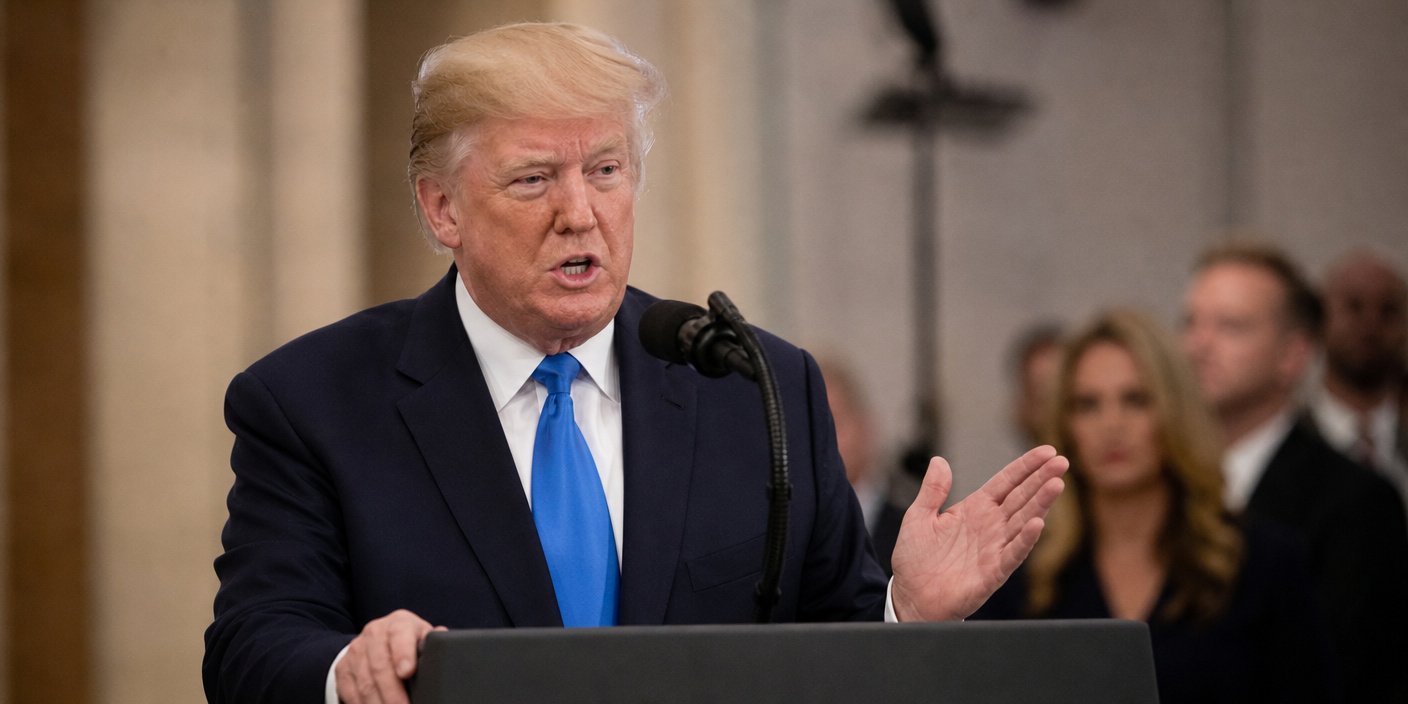
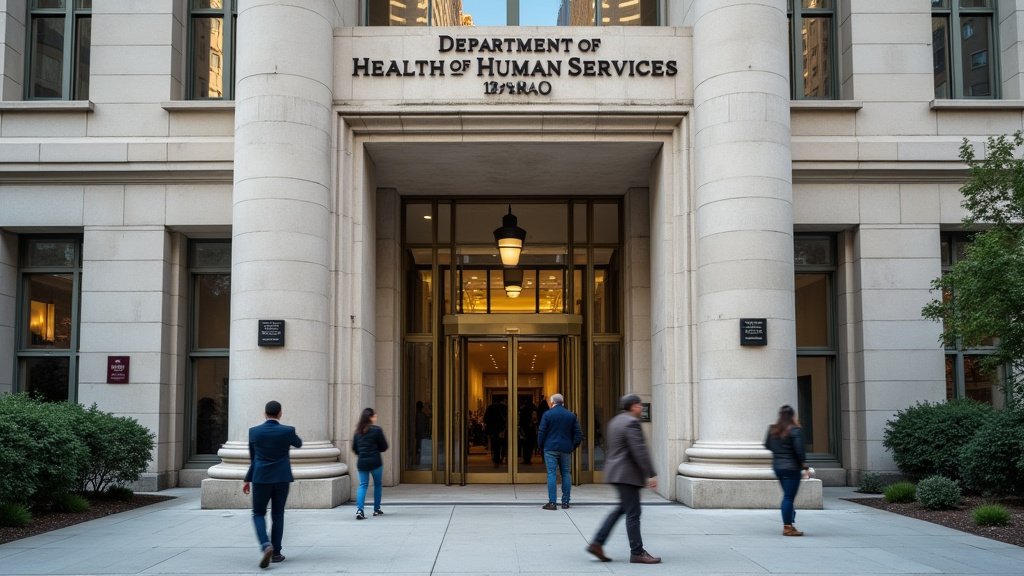
A new report released by the Department of Health and Human Services (HHS) has ignited a significant controversy, asserting that individuals who strongly support transgender rights may be more likely to justify the use of political violence. The study, which attempts to quantify the psychological and ideological underpinnings of social activism, has drawn immediate and fierce condemnation from independent researchers, civil rights organizations, and democracy advocates. Critics argue that the document suffers from fatal methodological flaws, suggesting that the framing of the research may be ideologically driven rather than based on sound, objective analysis of social data.
Key Highlights
- The Core Claim: The HHS report posits a correlation between the advocacy of transgender rights and an increased propensity to rationalize political violence as a means to achieve societal goals.
- Methodological Backlash: Independent researchers have sharply criticized the study’s data collection methods, arguing that the survey design fails to distinguish between radicalization and support for civil rights.
- Institutional Scrutiny: Pro-democracy groups have raised alarms about the use of federal resources to produce reports that appear to weaponize cultural issues against specific demographics.
- The Erosion of Trust: Experts warn that the publication of such studies risks undermining the credibility of the Department of Health and Human Services, which is traditionally tasked with data-driven public health guidance rather than social-psychological profiling.
The Anatomy of the HHS Report and the Research Divide
The report, which has circulated through federal channels, attempts to map the political landscape of the modern United States by segmenting populations based on their attitudes toward gender identity. According to the document, when researchers isolated specific variables related to transgender rights advocacy, they observed a statistical uptick in respondents who agreed with the statement that political violence could be a legitimate tool under certain circumstances. However, the report’s interpretation of this correlation is where the primary friction lies.
At the heart of the divide is the definition of “justifying political violence.” Critics argue that the study conflates high-intensity rhetoric—which is common in various protest movements across the political spectrum—with actionable intent or support for insurrection. By grouping those who hold progressive views on trans rights with individuals who might entertain violent political theories, researchers argue the HHS has engaged in a form of “false equivalence” that is statistically irresponsible and dangerous in a polarized climate.
Deconstructing the Methodology: Why Experts Are Concerned
Independent peer reviewers and sociologists who have analyzed the public version of the report point to several critical failures in the methodology. The primary concern is the potential for selection bias. In public health research, defining the parameters of a study is paramount. Experts argue that the HHS study likely utilized survey questions that were “loaded” or designed to elicit specific responses, rather than neutral, objective inquiries.
For example, if a survey participant is asked about their support for bodily autonomy and then asked a secondary question regarding the hypothetical necessity of force to protect fundamental rights, the phrasing can significantly skew the data. Critics allege that the study failed to apply rigorous controls for other demographic factors, such as socioeconomic status, education level, or involvement in other forms of political activism, which are often the true drivers of extremist sentiment.
The Intersection of Identity and Institutional Power
This report arrives at a time when the Department of Health and Human Services is increasingly at the center of the American “culture war.” Traditionally, HHS research focuses on epidemiology, healthcare accessibility, and disease prevention. By pivoting into the realm of radicalization and political psychology, the agency is stepping into a space usually reserved for the Department of Homeland Security or academic sociological institutions.
This shift raises profound questions about the mission creep of federal agencies. When a public health agency begins to profile the political sentiments of its citizenry, it risks alienating the very populations it is tasked with serving. For transgender individuals and their allies, the report is viewed not as a scientific endeavor, but as a political weapon. There is a palpable fear that the study could be used to justify future policy changes, such as the restriction of access to healthcare resources or the prioritization of social groups in government programs based on these flawed metrics.
Broader Implications for Public Health Integrity
The most lasting impact of this report may be the damage to the institutional integrity of the federal government. When scientific research is perceived as politically motivated, it degrades the public’s trust in federal data. This is particularly damaging in the context of public health, where trust is the currency that allows for effective policy implementation. If communities begin to view HHS-sponsored research as inherently hostile to their existence, they may become less likely to engage with federal health initiatives, participate in clinical trials, or follow public health guidelines.
Moreover, the precedent set by this study may encourage other federal bodies to engage in similar ideological profiling. As researchers continue to debate the findings, the broader academic community is calling for full transparency regarding the study’s funding, the identities of the primary researchers, and the raw data sets used to arrive at these conclusions. Without such transparency, the report serves less as a scientific contribution and more as a partisan talking point.
FAQ: People Also Ask
1. What specific evidence did the HHS report use to link trans rights support to political violence?
The report primarily relied on large-scale survey data analyzing political attitudes. It correlated support for specific trans-inclusive policies with responses to questions regarding the legitimacy of political violence, though critics maintain that the correlation is a result of survey design bias rather than causal evidence.
2. Why are democracy groups criticizing the study?
Groups are criticizing the study because they believe it labels civil rights activism as “extremism.” They argue that grouping advocacy for a protected class with those who advocate for violence erodes democratic discourse and unfairly stigmatizes a specific group of citizens.
3. Will the findings of this report influence future government policy?
While the report is technically a data-gathering effort, its framing could provide the intellectual scaffolding for future legislative or executive actions that could restrict trans rights or redirect funding away from organizations that support them. However, no immediate policy shifts have been announced based on this study.
4. Is there an independent investigation into the report’s methodology?
Currently, there is no formal government-led investigation into the methodology. However, the academic community and several watchdog organizations are calling for an independent audit to address the statistical anomalies and potential biases identified by early reviewers.