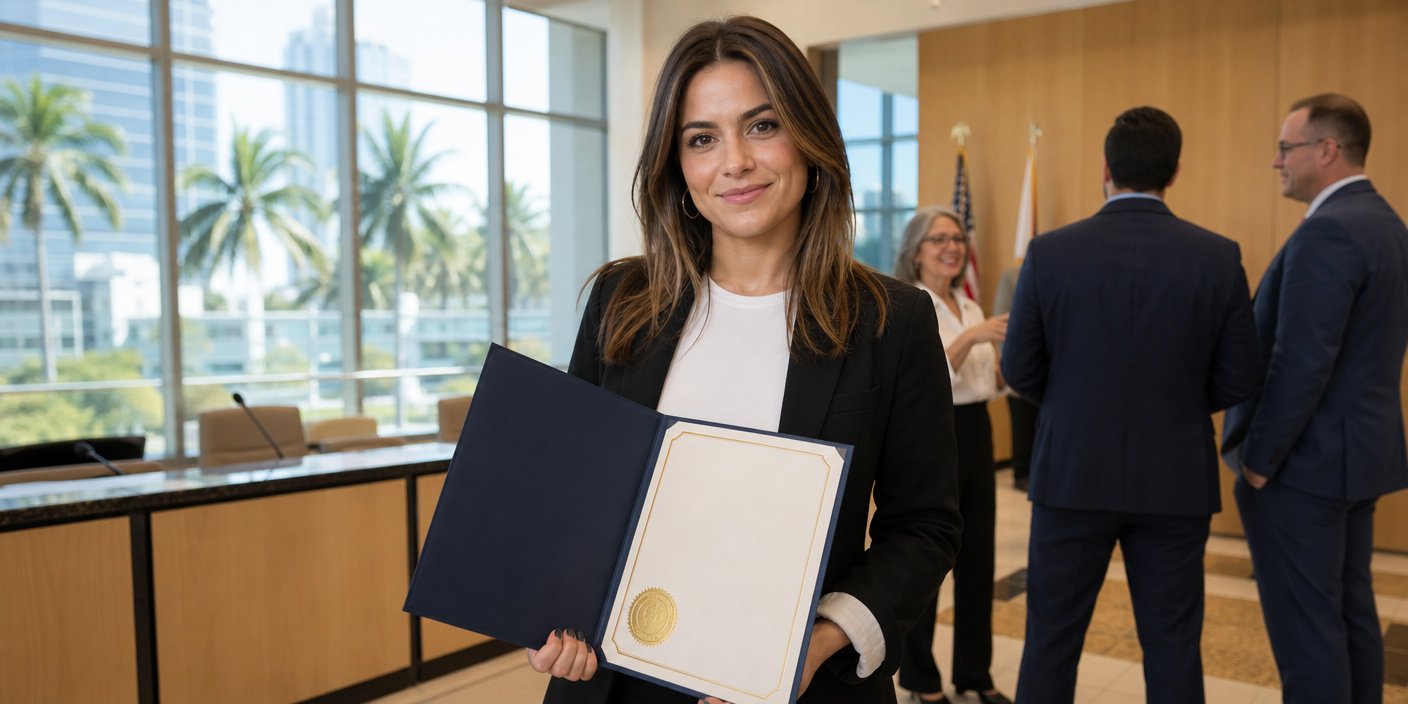
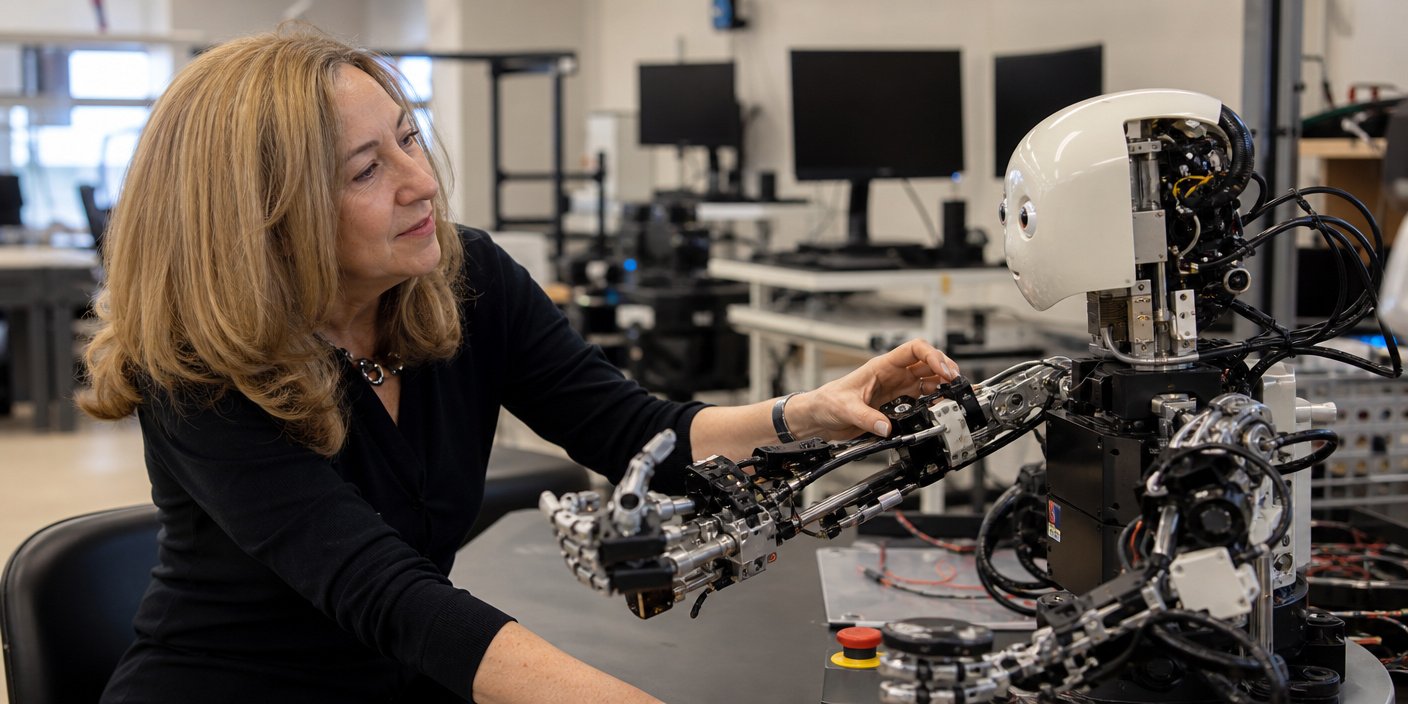
Renowned University of Southern California (USC) roboticist Dr. Maja Matarić has been officially named to the 2026 Forbes 50 Over 50: Innovation list. This prestigious recognition highlights her lifelong commitment to and pioneering research in the field of socially assistive robotics (SAR), a discipline she has been instrumental in defining and advancing. As the Director of the USC Interaction Lab, Matarić has successfully bridged the gap between complex artificial intelligence and compassionate, human-centric care, creating technologies specifically designed to support individuals with health challenges, developmental disabilities, and those requiring rehabilitation.
Key Highlights
- Forbes Recognition: Dr. Maja Matarić is officially recognized on the 2026 Forbes 50 Over 50: Innovation list for her transformative contributions to robotics.
- Pioneering SAR: Matarić is a trailblazer in the field of Socially Assistive Robotics (SAR), developing machines that provide assistance through social interaction rather than physical labor.
- Clinical Impact: Her technology focuses on high-need populations, including stroke rehabilitation patients, children with autism, and elderly individuals facing isolation or cognitive decline.
- Academic Leadership: As the Chan Soon-Shiong Professor of Computer Science, Neuroscience, and Pediatrics at USC, Matarić integrates multidisciplinary research to push the boundaries of healthcare technology.
Transforming the Human-Machine Relationship Through Socially Assistive Robotics
For decades, the robotics industry was primarily dominated by industrial applications—robot arms on assembly lines, automated guided vehicles in warehouses, and precision surgical systems. However, Dr. Maja Matarić’s work at the USC Interaction Lab shifted the paradigm toward a more nuanced, intimate application: Socially Assistive Robotics (SAR). Her inclusion in the 2026 Forbes 50 Over 50: Innovation list is a testament to the fact that innovation is not just about raw power or computational speed; it is about the ability of technology to improve the human condition.
The Mechanics of Empathy and Support
Socially Assistive Robotics is distinct from traditional assistive robotics, which typically focuses on physical support or prosthetics. Matarić’s SAR systems are designed to provide assistance through social interaction—using verbal cues, gestures, and behavioral patterns to monitor, motivate, and guide users. For a patient recovering from a stroke, this might mean a robotic agent that encourages movement and tracks rehabilitation exercises. For a child on the autism spectrum, it might mean a platform that helps them practice social signaling and emotional recognition.
This approach requires a sophisticated understanding of human psychology and behavioral science, which is why Matarić’s joint appointments in computer science, neuroscience, and pediatrics are so critical. Her research demonstrates that the presence of an autonomous social agent can often produce better patient engagement and adherence to therapy regimens than static tools or even human-led sessions in some circumstances. By leveraging AI to tailor interactions to the individual’s specific needs, Matarić has created a blueprint for how robotics can scale personal healthcare without losing the necessary human touch.
Scaling Care in an Aging Global Population
One of the most pressing secondary angles of Matarić’s work is its role in addressing the global crisis of elderly care. With aging populations straining healthcare systems worldwide, the need for cost-effective, scalable, and personalized support has never been greater. Matarić’s research offers a viable pathway for robots to play a significant role in helping older adults maintain independence, manage medication, and combat social isolation—a silent epidemic that has profound health consequences.
Her work suggests a future where robotics are not necessarily replacements for human caregivers but powerful augmentations that allow caregivers to manage more complex tasks while the technology handles routine monitoring, engagement, and encouragement. This symbiosis between human intuition and robotic consistency is where the true value lies, and it is the core of Matarić’s innovation strategy.
Addressing the Innovation Gap and Gender Diversity
Beyond the technology itself, Matarić’s presence on the Forbes 50 Over 50 list underscores an important narrative regarding gender and age in the technology sector. The field of robotics has historically been male-dominated, and academic leadership positions in engineering often see significant attrition as professionals advance in their careers. By excelling in her field and earning this recognition, Matarić serves as a critical role model for the next generation of female engineers and researchers.
Furthermore, the “Over 50” aspect of this Forbes list highlights a demographic often ignored in the tech conversation: seasoned experts who are producing their most impactful work precisely because of their years of interdisciplinary experience. Matarić proves that the most sophisticated innovations—those that solve “wicked problems” in healthcare—require decades of cumulative knowledge to understand both the technical possibilities and the deeply complex human needs they serve.
Future Horizons: From Lab to Reality
Looking ahead, the integration of generative AI and large language models (LLMs) into Matarić’s SAR platforms holds immense promise. Imagine robotic assistants that can hold conversational, empathetic dialogues with patients, adapting to emotional shifts in real-time. This is the next frontier of her work. As the technology matures, the challenge shifts from technical feasibility to ethical implementation, data privacy, and trust—all areas where Matarić continues to lead the discourse. Her recognition by Forbes is not just a capstone of past achievements but a spotlight on the critical nature of the work she and her lab are doing to define the future of care.
FAQ: People Also Ask
What are Socially Assistive Robotics (SAR)?
Socially Assistive Robotics (SAR) is a field of robotics focused on providing support to individuals through social interaction. Unlike physical assistive robots that help with movement or heavy lifting, SAR robots use verbal and non-verbal communication to motivate, educate, and assist users in therapeutic or daily life contexts.
Why was Maja Matarić included in the Forbes 50 Over 50 list?
Maja Matarić was named to the 2026 Forbes 50 Over 50: Innovation list for her pioneering, decades-long work in socially assistive robotics at USC. Her efforts have significantly advanced the intersection of computer science, neuroscience, and healthcare, particularly regarding robots designed to support vulnerable populations.
How does Maja Matarić’s work help individuals with autism?
Dr. Matarić’s research utilizes robots to serve as “social mirrors” or practice partners for children with autism. These robots can provide consistent, non-judgmental feedback on social cues, helping users improve their social signaling and engagement in a structured, comfortable environment.
What is the role of the USC Interaction Lab?
The USC Interaction Lab, directed by Dr. Maja Matarić, is a research facility dedicated to understanding how robots can interact with people in safe, effective, and socially acceptable ways. It serves as an incubator for developing robotic platforms for rehabilitation, education, and healthcare support.