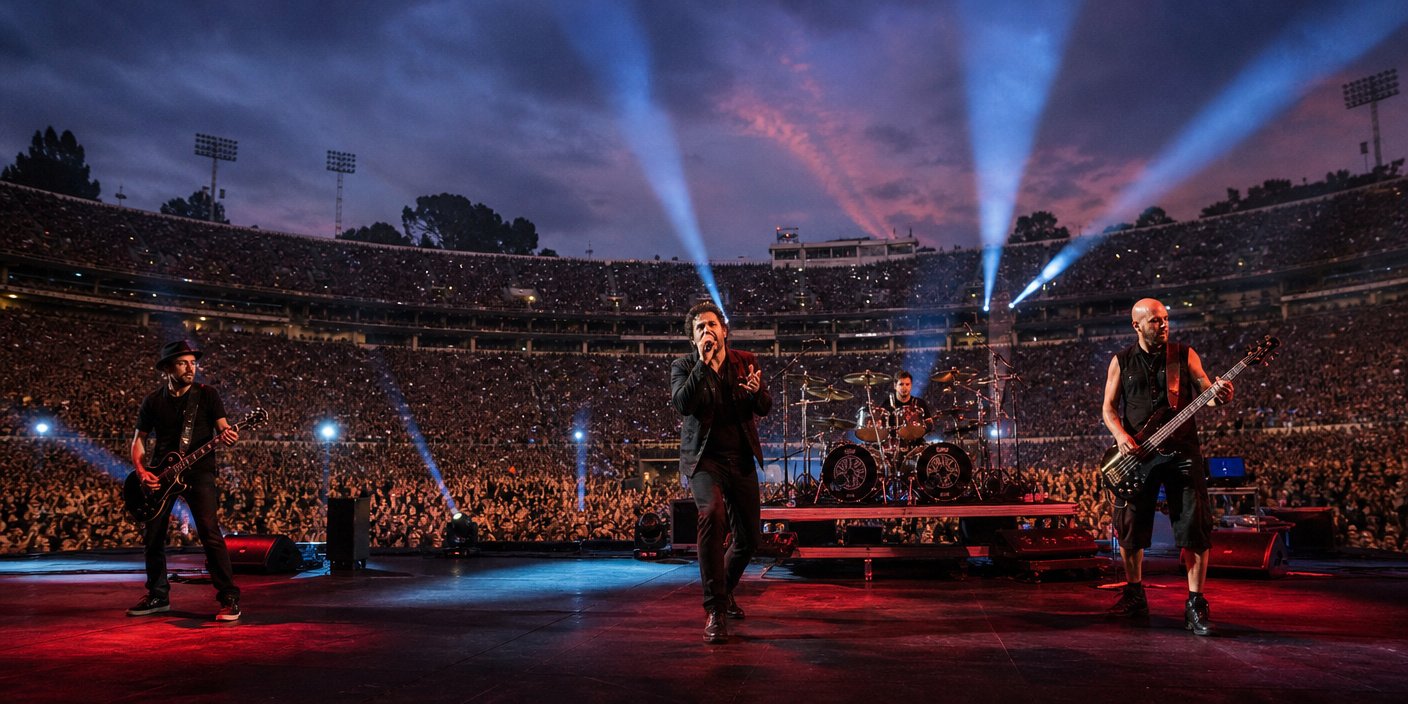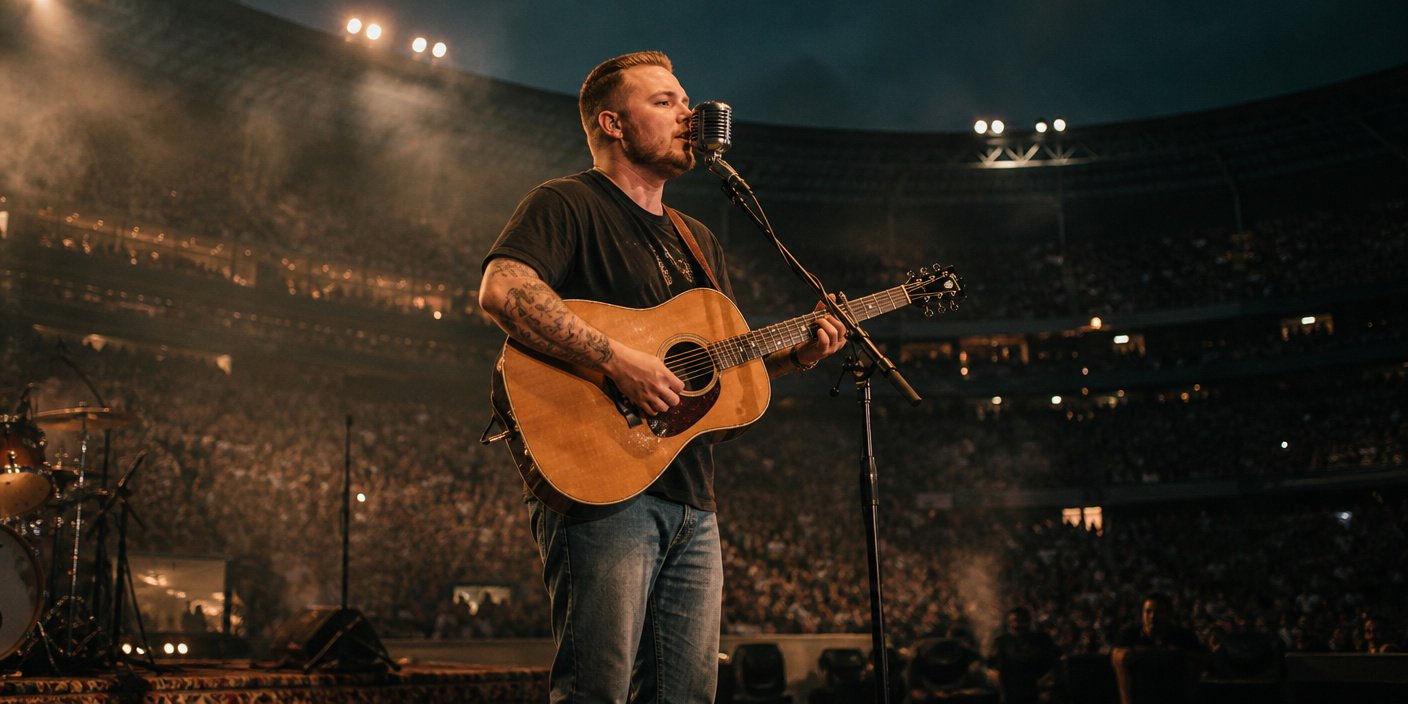
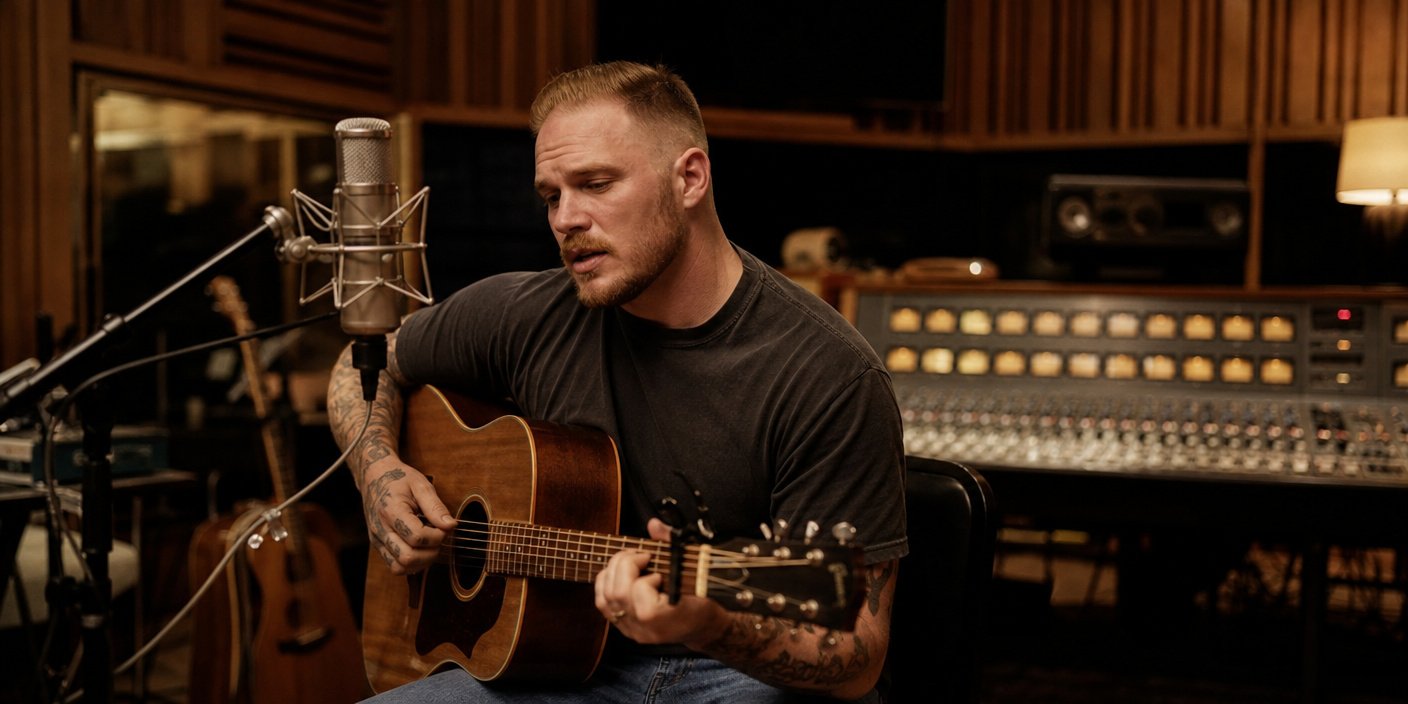
The music industry witnessed a seismic shift this week, as the October 19, 2026, release schedule solidified country music’s grip on the mainstream cultural zeitgeist. Leading the charge is Zach Bryan, whose latest surprise EP, ‘Young Manhood & Other Donatable Organs,’ has already sparked intense critical discussion regarding the intersection of modern folk-Americana and the traditional country ballad. However, the week’s momentum didn’t stop there. In a stunning display of industry endurance, veteran legends Vince Gill and Randy Travis also dropped a highly publicized collaboration, signaling that the ‘New Nashville’ movement is not just about young trailblazers, but also about the preservation and re-contextualization of foundational country voices.
The Rise of the Short-Form Masterpiece
The decision to release ‘Young Manhood & Other Donatable Organs’ as a concise EP rather than a full-length studio album follows a trend that has defined 2026 streaming behavior. By opting for a tighter, five-track package, Zach Bryan has effectively curated a listening experience that demands complete engagement from start to finish. Industry analysts noted that in an era of playlist dominance, where tracks are often consumed in isolation, this EP is designed to be experienced as a cohesive narrative statement.
Thematically, the record leans into the raw, unpolished production style that cemented Bryan’s reputation early in his career. While many of his peers have pivoted toward pop-country crossover production, Bryan continues to utilize a stripped-back, guitar-forward sound. The lyrical content on this release explores the tension between rapid fame and personal identity, a subject that has become a recurring motif in his discography. The title, while provocative, speaks to a sentiment of giving one’s life and work away to the public—a commentary on the ‘donatable’ nature of a celebrity’s existence in the modern digital age.
Legacy Collisions: The Gill-Travis Connection
Perhaps the most surprising headline of the week involves the unexpected collaborative output between Vince Gill and Randy Travis. For years, these two pillars of the Grand Ole Opry have been viewed as the gatekeepers of the traditional sound. Their latest track, released simultaneously with the week’s wider Americana surge, is a testament to the longevity of the ‘neo-traditionalist’ wave that began in the 1980s and continues to influence today’s chart-toppers.
By uniting, Gill and Travis are bridging a generational gap. Data from major streaming platforms indicates that their collaboration has seen significant engagement not just from their core, legacy demographic, but from the younger listeners who are being introduced to their catalogs through the Americana explosion championed by artists like Zach Bryan. It is an economic power move: by leveraging the trust of the older audience and the virality of the younger, these legacy acts are successfully maintaining their relevance in a volatile 2026 market.
The Americana Economic Engine
Beyond the specific releases, October 19 has become a focal point for understanding the economic viability of the Americana genre. Historically, this sector was considered a ‘niche’ segment of the industry. Today, it is a primary driver of revenue. Statistics from Q3 and early Q4 of 2026 reveal that Americana and roots-country tracks are seeing higher ‘skip rates’ on radio but lower ‘skip rates’ on algorithmic streaming services, suggesting that the audience for this music is more intentional than the casual pop listener.
The financial implications are profound. When an artist like Zach Bryan releases an EP, it creates a ‘halo effect’ that boosts the streaming numbers of his entire back catalog. This ecosystem is self-sustaining. The marketing costs for these types of releases are notably lower because the audience is highly concentrated and loyal. As we look toward the end of the year, it is evident that the strategy of ‘low-frequency, high-impact’ releases—the exact strategy used by the artists this week—is the new gold standard for sustained career longevity in the music business.
Future Predictions: Where Does Nashville Go From Here?
The success of this week’s releases points toward a clear trajectory for the remainder of 2026. We expect to see more established artists moving away from the 16-track ‘bloated’ album format, which was the norm for the early 2020s, and toward these hyper-focused, thematic EPs. This allows for constant content drops without the risk of ‘album fatigue.’ Furthermore, we anticipate more cross-generational collaborations. As the line between ‘Country’ and ‘Americana’ continues to blur, the industry will likely see a push for projects that pair modern disruptors with the legends who built the genre. This isn’t just about nostalgia; it’s a calculated business strategy to maximize market share across all age demographics. The success of the October 19 releases is merely the beginning of this shift.