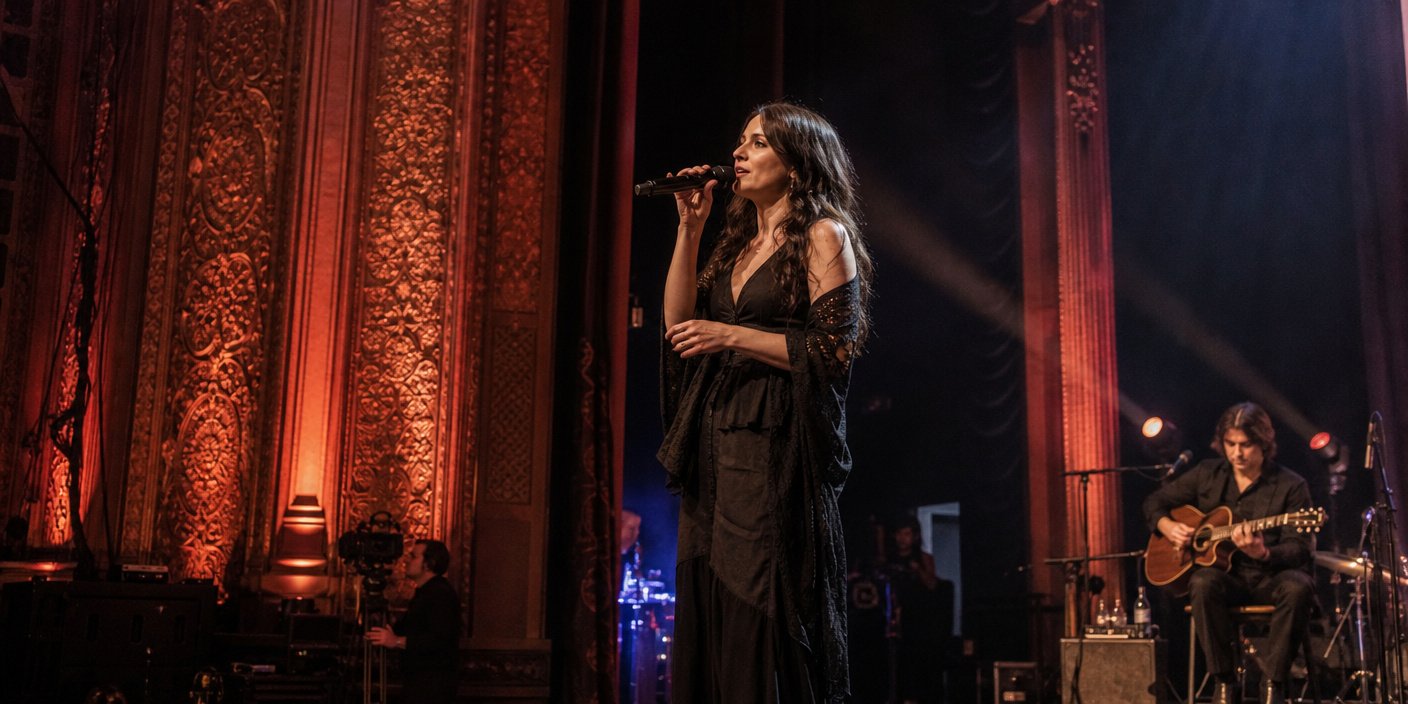
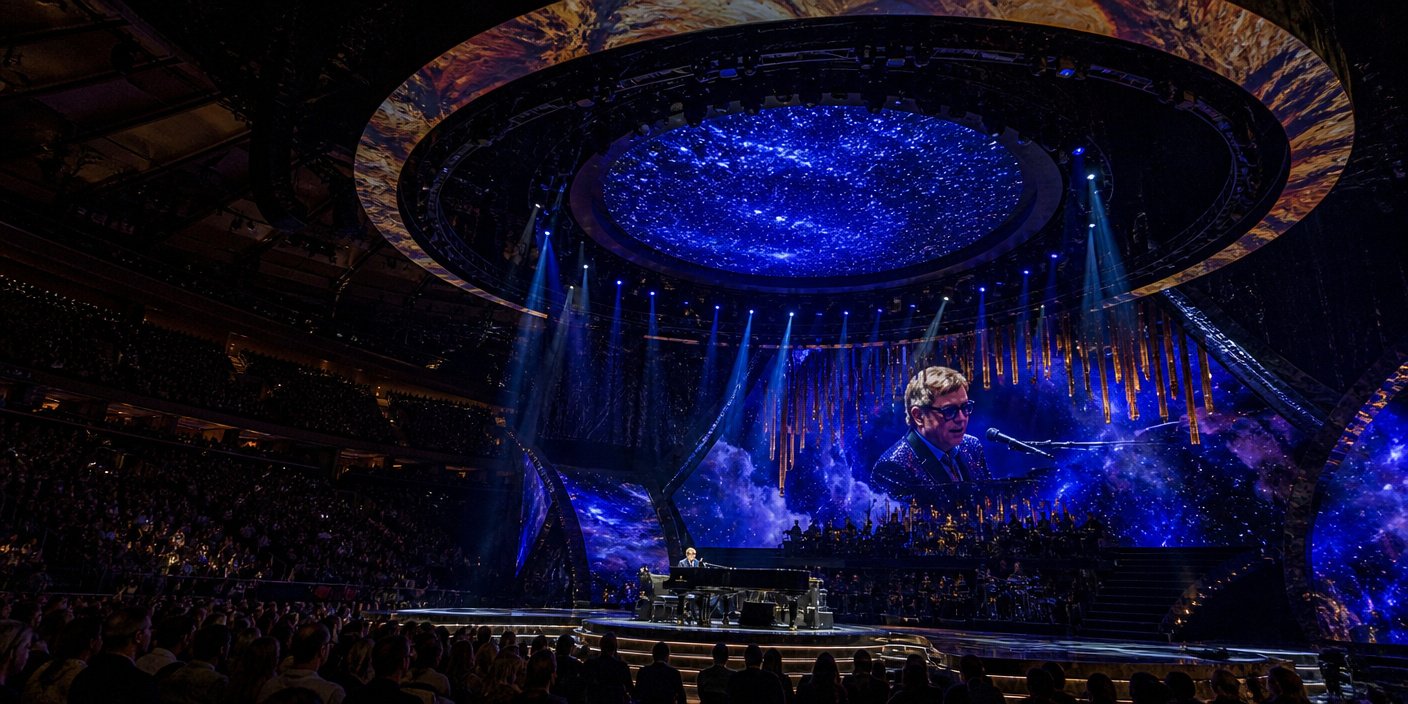
The era of the endless, bone-crushing global concert tour may be reaching a pivotal inflection point. While world tours remain the bedrock of the music industry’s live entertainment revenue, a growing cadre of A-list superstars—including Harry Styles, Celine Dion, and Adele—are increasingly prioritizing multi-date residencies at iconic venues over the traditional “plane-hotel-stage” circuit. This strategic shift is not merely a preference for comfort; it represents a sophisticated evolution in how the world’s biggest artists manage demand, maximize revenue, and protect their most valuable asset: their own longevity.
Key Highlights
- Economic Stability: Residencies eliminate the volatile costs of global logistics, freight, and fluctuating travel expenses, providing a predictable revenue stream with higher profit margins per show.
- Production Excellence: Artists can invest in technically complex, permanent stage setups at a single venue, allowing for a level of production value that is physically impossible to achieve when breaking down sets for daily transport.
- Artist Longevity: By removing the physical toll of constant travel, time zone changes, and hotel living, residencies significantly reduce burnout and allow artists to maintain vocal and physical health.
- Demand Management: The “residency” model creates a destination event, forcing fans to travel to the artist, which often leads to higher ancillary spending and cements the venue as a cultural landmark.
The Financial and Creative Shift of Modern Music Residencies
For decades, the standard path to superstardom was grueling: play 100 cities in 12 months, live on a tour bus, and perform in varying acoustic conditions. However, the rise of the high-profile residency has fundamentally altered this calculus. When Harry Styles took over Madison Square Garden (MSG) for his ‘Love on Tour’ residency, he wasn’t just performing; he was establishing a template for how a modern pop icon can dominate a market without leaving it.
The Economics of Fixed Venues
From a financial perspective, the traditional tour model is fraught with risk. Touring requires massive capital expenditure on trucks, crew, stagehands, and fuel, all of which are subject to inflationary pressures. A residency at a venue like The Colosseum at Caesars Palace or Madison Square Garden centralizes the infrastructure.
By staying in one location, the artist effectively becomes the venue’s tenant rather than a guest. This dramatically reduces “dead money”—the capital spent on moving gear that doesn’t generate revenue while in transit. Furthermore, residencies allow for “demand management.” In a global tour, an artist might play a city once every two years, leaving potential revenue on the table. In a residency, the artist can saturate a single market, ensuring every seat is filled by high-intent fans who are willing to travel, thereby maximizing the yield per square foot of the venue.
Artistic Freedom Through Stability
Beyond the balance sheet, there is a tangible creative benefit. When a show is designed to be mobile, it is inherently limited by what can fit into a shipping container and be assembled in eight hours. In a fixed residency, an artist is limited only by the venue’s architecture.
Celine Dion, a pioneer of the modern residency, demonstrated that a stationary show could evolve into a long-term artistic statement. Because the set doesn’t move, the production can be more elaborate, incorporating cutting-edge projection mapping, heavy mechanical elements, and complex acoustic treatments that would be impossible to calibrate for a new arena every two nights. This allows the artist to curate an immersive experience rather than a modular one.
The Impact on Fan Behavior and Destination Tourism
Residencies have effectively turned the artist into a “destination.” Historically, fans waited for the tour to come to their city. Today, fans are increasingly willing to fly to Las Vegas, New York, or London to catch a specific residency. This shift transforms the concert from a local event into a tourism pillar. Cities and venue operators like Live Nation and AEG Presents are incentivized to facilitate these residencies because they drive hotel bookings, restaurant traffic, and overall local economic activity.
This “destination effect” also allows artists to curate their audience. Those who choose to travel for a residency are, by definition, the most dedicated fans, which often leads to a more engaged and energetic crowd than the mixed-interest audiences found at random tour stops.
Mitigating Burnout and Ensuring Longevity
Perhaps the most overlooked factor is the physical and mental toll of touring. The industry has become increasingly aware of the health costs associated with the lifestyle. By choosing a residency, an artist regains control over their environment. They can maintain a consistent sleep schedule, access healthy food, and stay in one place long enough to actually build a routine. For artists who are looking to sustain their careers over decades rather than burning out in a single cycle, the residency offers a path to professional sustainability that the endless road simply cannot provide.
FAQ: People Also Ask
Q: Why are residencies considered more profitable than tours?
A: While ticket revenue is a factor, the primary profit driver is the drastic reduction in operational overhead. Eliminating the costs of logistics, freight, daily venue load-ins, and complex international travel logistics significantly increases the net margin per show.
Q: How does a residency impact the stage production?
A: In a residency, production value is significantly higher. Because the stage and tech setups do not need to be dismantled, transported, and rebuilt every night, artists can use heavier, more complex, and more visually stunning sets that are permanently optimized for that specific venue.
Q: Does every artist benefit from a residency model?
A: Not necessarily. Residencies are currently most effective for “superstar” level artists who command enough global demand to draw fans to a specific destination. Emerging artists still rely on traditional touring to build and expand their fan base in new territories.
Q: Is the residency model replacing the traditional world tour?
A: It is not replacing it, but rather augmenting it. Many artists now utilize a hybrid model: they perform a residency to anchor their commercial presence in major entertainment hubs while still executing smaller, targeted tour legs for international reach.