
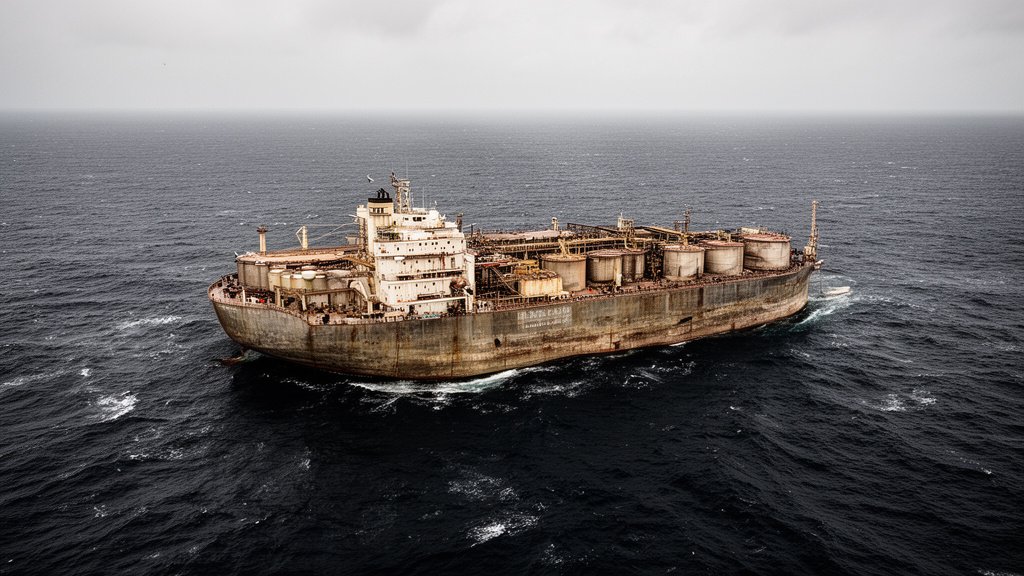
The Kremlin has officially confirmed that a tanker carrying Russian diesel has departed, setting a course for the United States. This logistical development arrives against a backdrop of intensifying international pressure, specifically following explicit and vocal protests from the Ukrainian government, which views the shipment as a circumvention of the stringent energy sanctions imposed on the Russian Federation. This event serves as a sharp reminder of the complexities inherent in tracking refined petroleum products through the global maritime supply chain.
Key Highlights
- The Kremlin confirmed the departure of a Russian diesel tanker currently bound for the United States.
- Ukraine has issued formal, explicit protests regarding the shipment, citing the ongoing need to maintain economic pressure on the Russian energy sector.
- The shipment tests the efficacy of the G7-led price cap mechanism on refined Russian oil products.
- Global maritime logistics experts note that tracking the origin of refined diesel remains significantly more complex than tracking crude oil, often involving ship-to-ship transfers that obscure the cargo’s provenance.
The Mechanics of Maritime Defiance: Tracking Energy Flows
The departure of this tanker highlights a critical vulnerability in the current sanctions regime: the distinction between crude oil and refined petroleum products. While the G7 coalition and the European Union have implemented rigorous price caps and embargoes on Russian crude oil, the tracking of refined diesel is substantially more opaque. Maritime data analysts have long warned that the global fleet of ‘shadow tankers’—vessels often operating with obscured ownership and flags of convenience—continues to facilitate trade that circumvents Western policy objectives.
The Sanctions Paradox
At the core of this diplomatic friction is the G7 price cap mechanism. The policy was designed to keep Russian oil flowing to global markets to prevent catastrophic price spikes while simultaneously limiting the revenue the Kremlin can generate to fund its ongoing operations in Ukraine. However, as this specific tanker proceeds toward American waters, questions regarding the verification process for these shipments become paramount. If the diesel is being transported in accordance with the price cap, it remains legal; if not, it represents a direct violation of international trade law. The challenge lies in the verification of documentation, which is notoriously easy to falsify in the high-stakes world of international commodity shipping.
Geopolitical Friction: The Kyiv-Washington Axis
The Ukrainian government’s formal protest against this shipment underscores the deep geopolitical strain this movement creates. For Kyiv, the uninterrupted flow of Russian refined products constitutes an economic lifeline for Moscow that directly undermines the cumulative impact of international sanctions. Diplomatic officials in Kyiv have repeatedly pressured Washington and other G7 capitals to tighten enforcement mechanisms, specifically calling for stricter inspections of tankers and more rigorous auditing of shipping insurance and documentation. This shipment puts the United States Department of the Treasury in a difficult position: effectively managing the balance between maintaining stable energy prices for domestic consumers and adhering to the strict moral and political stance against the Russian state-owned energy sector.
Market Implications and Future Trends
Looking beyond the immediate diplomatic fallout, this event signals a broader trend in the global energy market. We are witnessing the bifurcation of global oil trade. On one side, the Western-aligned market adheres to strict compliance and insurance regulations; on the other, an alternative ecosystem has emerged, characterized by non-Western insurance providers, opaque ownership structures, and ‘dark’ shipping lanes. Economists predict that as long as the spread between discounted Russian diesel and global market prices remains lucrative, these shipping lanes will continue to operate despite the intense political scrutiny. The success of this shipment could embolden other operators to utilize similar routes, further complicating the enforcement efforts of the US Office of Foreign Assets Control (OFAC) and international partners.
FAQ: People Also Ask
Is it legal for Russian diesel to enter the US?
Under current US sanctions, the direct import of Russian-origin crude oil, petroleum, petroleum fuels, oils, and liquefied natural gas is prohibited. If this tanker is carrying Russian-origin diesel, it would be in violation of the Executive Order banning these imports, unless specific exemptions or highly complex re-refining processes have been legally utilized to change the product’s origin.
How does Ukraine’s protest affect the tanker’s journey?
While the protests carry significant diplomatic weight and increase the scrutiny on the vessel, they do not inherently stop the physical movement of the ship. Ukraine’s goal is to apply political pressure on US authorities to intercept the vessel or investigate the provenance of the cargo upon its arrival at US ports.
What are ‘shadow tankers’ in this context?
‘Shadow tankers’ refer to a clandestine fleet of aging oil tankers that operate outside of traditional insurance and regulatory frameworks. They often switch off their Automatic Identification Systems (AIS) or use ship-to-ship transfers in international waters to obfuscate the origin of their cargo, making it difficult for sanctions enforcement agencies to track the movement of Russian fuels.