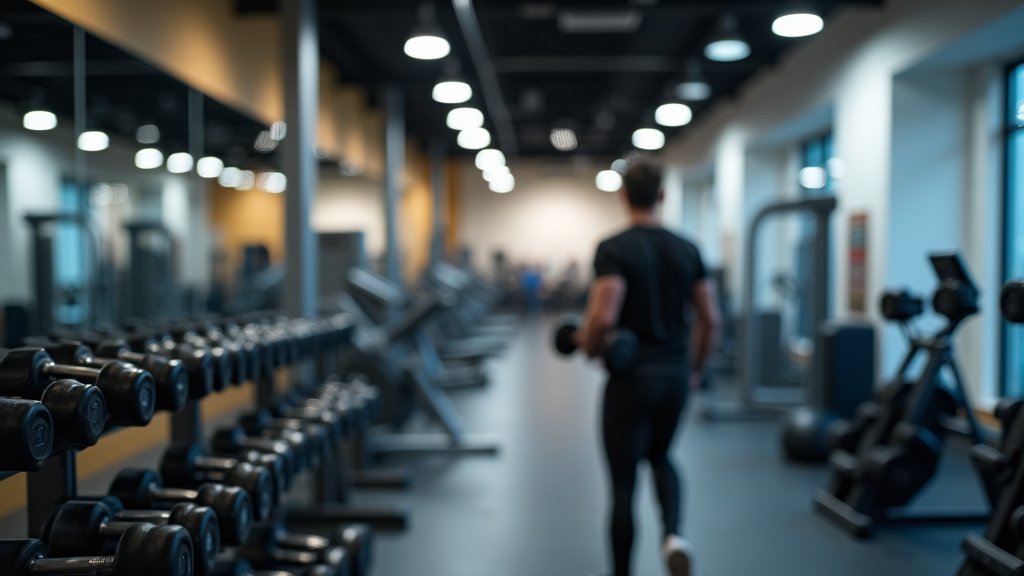
In an era where the lines between digital culture and physical reality are increasingly blurred, even the mundane environment of a neighborhood gym is not safe from the reach of generative AI. This week, Fitness SF, a prominent Bay Area gym chain, was thrust into the center of a viral controversy when an image purporting to be a gym policy update began circulating across social media platforms like X (formerly Twitter) and Reddit. The image, which displayed a formal-looking notice instructing members to refrain from ‘vibe-coding’ or engaging in AI prompting while utilizing gym facilities, appeared to be a genuine photograph taken inside a Fitness SF location. However, the gym has now officially confirmed that the sign was entirely fabricated.
The Rise of ‘Vibe-Coding’ as a Cultural Meme
To understand why this hoax gained such rapid traction, one must understand the current zeitgeist of the San Francisco tech scene. ‘Vibe-coding’ is a relatively new slang term that emerged in the developer community in 2024. It describes the practice of building software applications by describing requirements to an AI model rather than manually writing source code. While the term is often used with a sense of ironic detachment, it has become a shorthand for the aggressive, high-speed pace of AI-driven development. For many, the idea that a gym would attempt to ban this specific practice felt like a perfect, if absurd, commentary on the hyper-connected, tech-obsessed culture of Silicon Valley and the Bay Area.
The Anatomy of the Hoax
The fake notice, which utilized a graphic design style often found on professional flyers, listed ‘vibe-coding’ alongside other, more standard gym rules, such as re-racking weights. This strategic placement lent the image a veneer of authenticity that convinced many users—and even some technology news outlets—that it was a genuine reactionary policy. The image played into the growing fatigue regarding tech-speak and the infiltration of AI into all aspects of daily life. By mocking the absurdity of developers treating AI as a constant companion—even during a heavy deadlift set—the hoax struck a chord that was both funny and distinctly ‘San Francisco.’
Fitness SF Responds: Reality Reclaims the Weight Room
Fitness SF, which operates multiple locations across the Bay Area, did not take the viral misinformation lightly. In a series of statements to local news outlets and through their official communication channels, representatives clarified that the sign never existed. There is no policy against AI usage at Fitness SF, nor would such a policy be enforceable. The management team at the gym emphasized that they welcome members from all professional backgrounds and do not monitor the digital activities of their patrons. The official denial served as a stark reminder of how quickly synthetic media can distort the public perception of a local business, potentially impacting brand reputation before a correction can be issued.
The Digital Misinformation Age
The incident at Fitness SF is more than just a funny internet story; it is a case study in the rapid spread of AI-generated misinformation. In previous years, creating such a hoax would have required legitimate graphic design skills, a printer, and a physical sign to photograph. Today, a user can generate a photorealistic image of a sign within seconds using text-to-image AI tools. This lowers the barrier to entry for creating ‘satirical’ content that is indistinguishable from reality to the casual observer. When these images are distributed through algorithmic social feeds, context is often stripped away, leaving viewers to believe that a viral image is an accurate reflection of the world.
The Intersection of Tech Culture and Physical Spaces
The ‘vibe-coding’ ban hoax highlights a deeper tension within the Bay Area. As artificial intelligence continues to integrate into the professional lives of San Francisco residents, there is a mounting pushback against the ‘always-on’ nature of the tech industry. The fact that an AI-generated image about AI-coding was so readily believed suggests a collective anxiety about the ubiquity of these technologies. People were eager to believe that a gym might be trying to ‘ban’ the AI lifestyle because such a move would represent a clear—if desperate—attempt to reclaim physical, analog spaces from the digital deluge.
Protecting Brand Reputation in a Post-Truth World
For businesses, the lesson of the Fitness SF hoax is clear: your brand can be misrepresented by AI-generated content at any moment. Companies must be prepared to monitor social sentiment and react with rapid, verified, and transparent communication. As generative AI becomes more sophisticated, the prevalence of ‘deepfake’ text and signage will likely increase. Businesses that maintain high levels of engagement and trust with their customer base are better positioned to weather these storms, as their community members can often act as the first line of defense, identifying and calling out fabrications before they reach a critical mass of misinformation.
FAQ: People Also Ask
Q: Was the sign actually hanging in a Fitness SF gym?
A: No. Fitness SF has officially confirmed that the sign was a digital fabrication. It was never placed in any of their gyms, and the image was created using AI tools to mimic the gym’s branding.
Q: What is ‘vibe-coding’?
A: ‘Vibe-coding’ is a colloquial term for a software development style where an individual uses AI tools to generate code based on prompts and natural language descriptions, rather than writing the code manually from scratch. It is a popular, albeit ironic, term used in the tech industry.
Q: Why was the hoax so believable?
A: The hoax was believable because it tapped into the specific cultural atmosphere of the San Francisco Bay Area. It combined the ubiquitous nature of fitness culture with the localized, hyper-specific tech culture of the region, creating a narrative that felt satirical but plausible to many residents.
Q: Should businesses be concerned about AI-generated hoaxes?
A: Yes. As image-generation technology becomes more accessible, the potential for brand impersonation or the creation of false policies increases. Companies should have a crisis communications strategy in place that addresses rapid-response fact-checking to mitigate the spread of false information.