
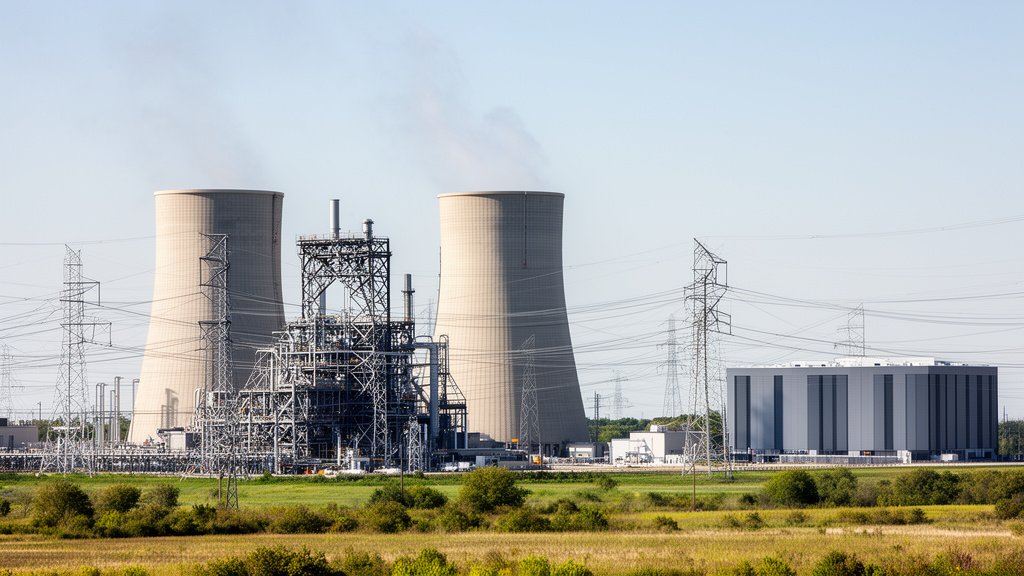
The Ohio energy landscape is undergoing a seismic shift as state regulators authorize new infrastructure specifically designed to feed the insatiable electricity requirements of the digital economy. The Ohio Power Siting Board (OPSB) recently finalized approval for two large-scale natural gas-fired power plants in Central Ohio. These facilities, intended to operate in direct support of burgeoning data center campuses, mark a significant turning point in the state’s approach to balancing utility capacity with land-use concerns. This decision arrives against a backdrop of increasing friction: while major technology firms secure the power necessary for artificial intelligence and cloud computing, local municipalities across the state are simultaneously enacting moratoriums and zoning bans to halt the proliferation of these high-consumption facilities.
The OPSB Decision: Infrastructure Meets Industry Demand
The approval of these two specific power plants represents a calculated move by the Ohio Power Siting Board to address long-term grid reliability concerns. With the explosive rise of AI-driven computing, the power load requirements for modern data centers have surged far beyond the projections of the previous decade. These new natural gas plants are engineered to provide the consistent, ‘always-on’ baseload power that renewable sources like wind and solar cannot yet provide with the same level of granular dispatchability required by 24/7 server operations.
The regulatory pathway for these projects was complex, involving rigorous environmental impact assessments and public hearings. The OPSB’s decision signals that the state government is prioritizing the industrial-economic argument: Ohio aims to become a premier destination for global tech giants, and ensuring an abundant, dedicated energy supply is viewed as the primary barrier to entry. By authorizing these plants, the board has effectively decoupled a portion of the state’s industrial power generation from the residential grid, creating a dedicated energy corridor for tech infrastructure.
The Growing Rift: Industrialization vs. Local Autonomy
The central conflict in this saga is the stark misalignment between state-level economic development strategy and local-level community planning. While the OPSB views these projects as critical infrastructure for Ohio’s future competitiveness, rural and suburban residents near the proposed sites have expressed profound concerns regarding noise pollution, water usage, and the alteration of local landscapes.
This tension has manifested in a wave of local ordinances across the state. Several townships have exercised their authority to ban or strictly regulate data center developments, fearing the localized impact of ‘server sprawl.’ In these communities, the narrative is not about the global value of data, but about the preservation of rural character, local water tables, and the strain on existing local electrical distribution grids. The OPSB’s recent approval serves as a definitive assertion of state-level supremacy in energy planning, effectively overriding or sidelining some of the objections raised by local boards during the permitting process. This raises a critical question for future urban planning: how much autonomy do local governments retain when state-wide industrial interests are at stake?
The Economic and Technical Calculus
From a technical perspective, the reliance on natural gas is a strategic choice. Natural gas generation facilities can be brought online significantly faster than nuclear or large-scale hydroelectric projects, and they offer a smaller physical footprint compared to the vast acreage required for utility-scale solar arrays. Furthermore, the proximity of these power plants to the data centers—the concept of ‘behind the fence’ or direct-line generation—reduces transmission losses and alleviates stress on the broader regional power grid managed by PJM Interconnection.
Economic analysts point out that while these power plants provide an immediate boost to local tax bases and construction employment, the long-term economic narrative is more nuanced. The ‘Data Center Economy’ brings high-paying jobs in the construction and maintenance phases, but once operational, these facilities are notoriously low-employment sites. The primary benefit is the creation of a massive, stable utility ratepayer that can support infrastructure investments, but critics argue that the environmental and quality-of-life costs for the immediate vicinity are being overlooked. The state’s move highlights a calculated risk: betting that the long-term benefits of hosting a massive cloud-computing hub outweigh the potential for localized opposition.
Future Implications for Ohio’s Grid
Looking forward, these two plants may be the first of many. As tech companies continue to seek locations in Ohio due to its central location, existing water resources, and relatively low natural disaster risk, the demand for power will only grow. This creates a feedback loop: more data centers require more power plants, which require more natural gas infrastructure, leading to further environmental debates.
The OPSB is currently facing pressure to develop a more integrated energy policy that accounts for the state’s climate goals while still supporting the infrastructure requested by the private sector. The current approach is reactive, permitting projects on a case-by-case basis as they are proposed by developers. Experts suggest that Ohio may need to transition to a more proactive ‘master plan’ for data center siting, where the state identifies specific, high-capacity zones for development, thereby reducing the friction with residential communities and creating more predictable outcomes for energy developers.
This decision marks a pivotal moment for Ohio. It highlights that the state is willing to push forward with aggressive industrial development to capture the next wave of technological investment. Whether this approach leads to a sustainable economic windfall or a deeper fracture in the state’s social and political landscape remains to be seen. What is certain is that the intersection of energy policy and tech-industry demands will remain one of the most volatile and significant issues in Ohio governance for the foreseeable future.