U.S. air travel is returning to normal after a widespread Federal Aviation Administration (FAA) ground stop caused mass delays on November 13, 2026. As flights resume today, November 14, the Trump administration has pinpointed “overloaded systems” as the root cause, with Transportation Secretary Sean Duffy vowing an immediate investigation into the infrastructure failure.
Key Highlights
- Operations Resume: The FAA successfully lifted the ground stop order on the morning of November 14, 2026, allowing commercial and private traffic to return to the skies.
- Technical Explanation: The Department of Transportation (DOT) has identified the root cause as an “overloaded” backend system, which prevented critical data distribution.
- Leadership Response: Transportation Secretary Sean Duffy has mobilized technical experts to conduct a full-system audit to prevent future occurrences.
- Operational Impact: While the ground stop has been lifted, the aviation industry expects residual flight cancellations and delays to ripple through the network through the remainder of the week.
Navigating the FAA System Meltdown
The aviation industry is breathing a collective sigh of relief this morning, November 14, as the Federal Aviation Administration (FAA) officially lifted the ground stop that paralyzed the U.S. airspace for hours on November 13. For millions of passengers, the immediate crisis has passed, but for policymakers and aviation regulators, the work is only just beginning.
The Anatomy of the November 13 Outage
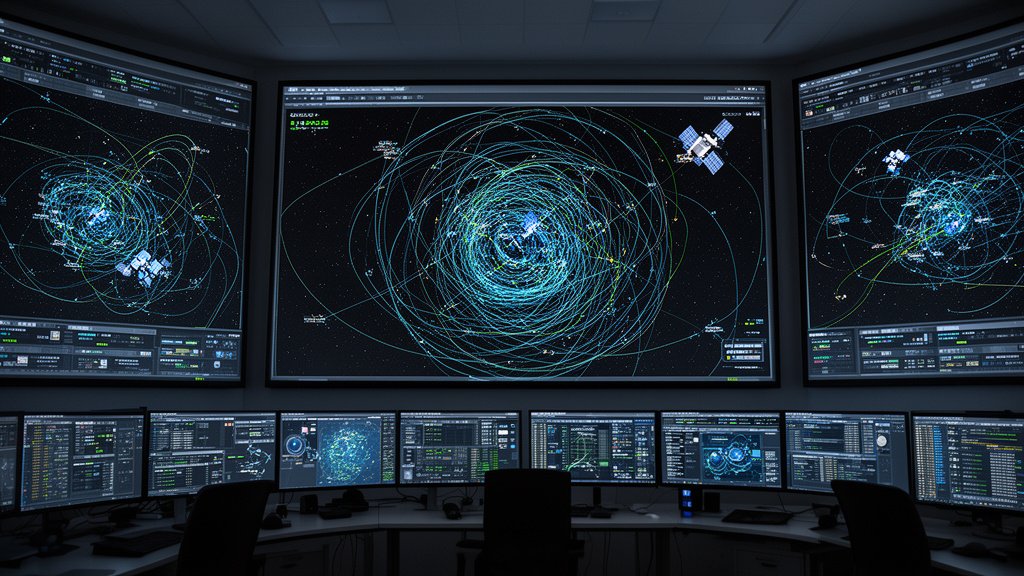
On the afternoon of November 13, 2026, air traffic control centers across the United States reported a critical bottleneck in the distribution of time-sensitive flight data. Unlike typical weather delays, which are localized, this incident stemmed from a centralized system failure. According to preliminary reports, the primary servers responsible for processing and disseminating flight data encountered a catastrophic volume threshold.
This “overload” prevented controllers from effectively managing active flight plans, forcing the FAA to issue a nationwide ground stop—a rare and severe measure of last resort. For several hours, thousands of aircraft were held on the tarmac or grounded at their points of origin, causing a cascade of logistical failures that disrupted travel from coast to coast.
Secretary Duffy’s Directive and Accountability
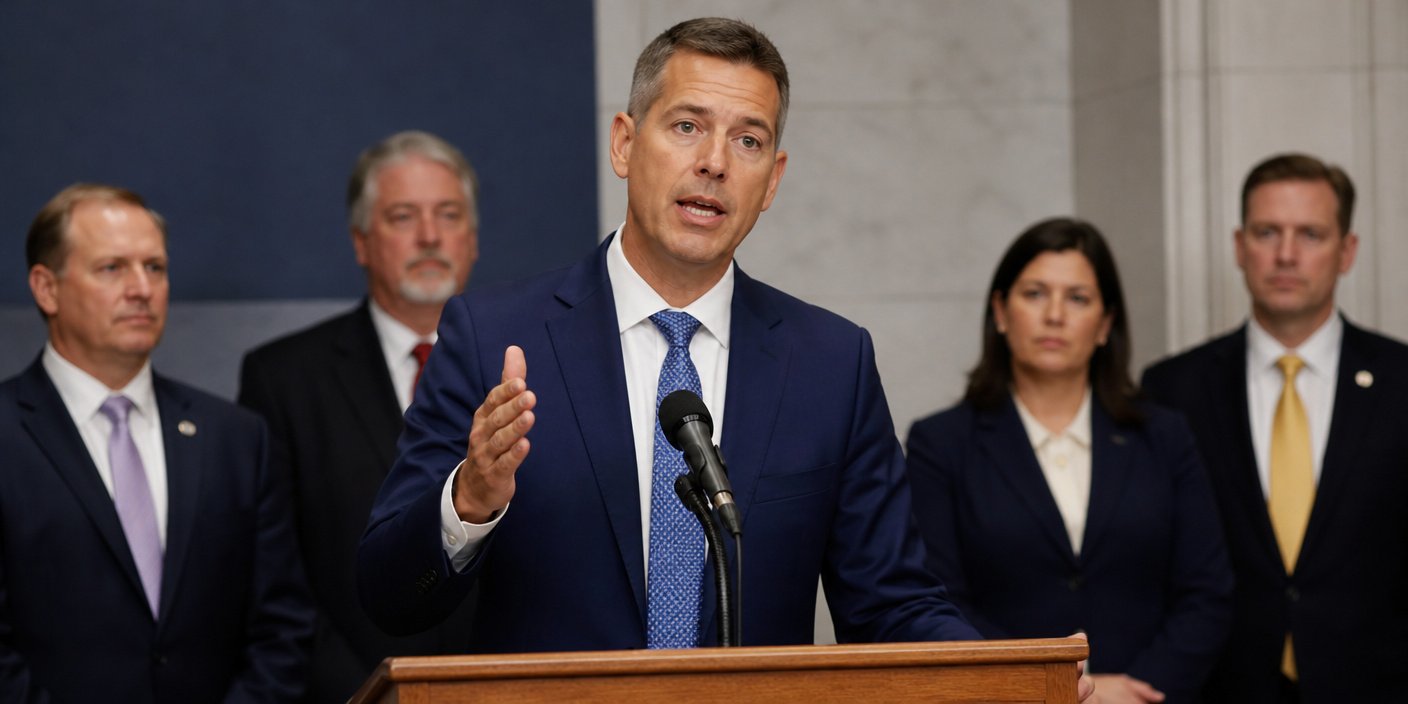
Transportation Secretary Sean Duffy, who stepped into the administration’s response efforts immediately, held a press briefing late yesterday to address the mounting public frustration. Duffy was transparent about the nature of the failure, characterizing it not as a cyber-attack or sabotage, but as a critical infrastructure capacity issue.
“The system was simply overloaded,” Duffy stated during the briefing. “Our initial assessment indicates that the bandwidth and processing capabilities of our current backend infrastructure were unable to handle the surge in data throughput. We are prioritizing the identification of the exact hardware or software bottleneck and are currently initiating a comprehensive audit to harden these systems against future demand spikes.”
The administration’s admission points to a pressing reality: the backbone of American air travel relies on systems that require constant modernization. While the FAA has been pushing digital transformation initiatives, the November 13 incident serves as a stark reminder that even the most advanced systems have breaking points.
The Broader Implications of Aviation Stability
Beyond the inconvenience to passengers, this event triggers a deeper conversation regarding the resilience of U.S. critical infrastructure. Aviation is a highly interdependent network; when one node fails, the entire system must halt to maintain safety standards.
Modernization vs. Legacy Technology
One of the secondary angles currently being debated by aviation experts is the reliance on legacy architecture. Many of the systems powering modern Air Traffic Control (ATC) are composites of newer digital technologies integrated with older, robust, but aging infrastructure. The challenge lies in updating these systems without disrupting the massive volume of daily flights. This incident highlights the tension between keeping the system operational and the necessity of conducting high-stakes digital upgrades.
Economic Ripple Effects
The economic impact of a nationwide ground stop is measured not just in delayed flights, but in the ripple effects across the supply chain. From air cargo logistics to corporate travel and the hospitality industry, every hour an aircraft sits idle represents a loss in revenue and efficiency. Analysts are currently projecting that the financial impact of the November 13 stoppage will reach into the hundreds of millions of dollars once all airline refunds, crew re-scheduling costs, and logistics disruptions are tabulated.
Rebuilding Public Trust
Moving forward, the primary goal for the DOT and the FAA is the restoration of public confidence. Travelers rely on the predictability of the air travel network. When that predictability is shattered by a system-wide failure, it undermines the trust necessary for a functioning economy. Secretary Duffy’s office has promised a detailed post-mortem report to be shared with the public and Congress, which will outline the specific upgrades planned for the network to ensure such an overload does not occur again.
FAQ: People Also Ask
What caused the November 13 FAA ground stop?
According to the Department of Transportation, the stoppage was caused by “overloaded systems” within the agency’s backend data distribution network, which prevented effective communication of critical flight information.
Are flights back to normal today?
Yes, the FAA officially lifted the ground stop on November 14, 2026. However, because of the massive backlog created on November 13, passengers should still expect residual delays and potential cancellations as airlines work to reposition aircraft and crews.
What is Secretary Sean Duffy doing about the outage?
Transportation Secretary Sean Duffy has ordered a full-system audit to identify the specific technical failure points. He has committed to an administrative review to determine how to better scale infrastructure to prevent future capacity-related system overloads.
Should I rebook my flight?
Most airlines are automatically rebooking passengers. Passengers are advised to check the latest status of their specific flight via their airline’s official website or app before heading to the airport, as scheduling recovery efforts are ongoing.