The skies over the United States are beginning to clear after a rare and disruptive nationwide ground stop halted air traffic for four agonizing hours. Thousands of flights were grounded, diverted, or delayed as the Federal Aviation Administration (FAA) grappled with a critical system failure that left travelers, airlines, and airports in a state of unprecedented uncertainty. While the immediate operational freeze has been lifted and traffic is slowly resuming, the incident has ignited a firestorm of questions regarding the reliability of the nation’s aviation infrastructure.
Analyzing the Infrastructure Crisis
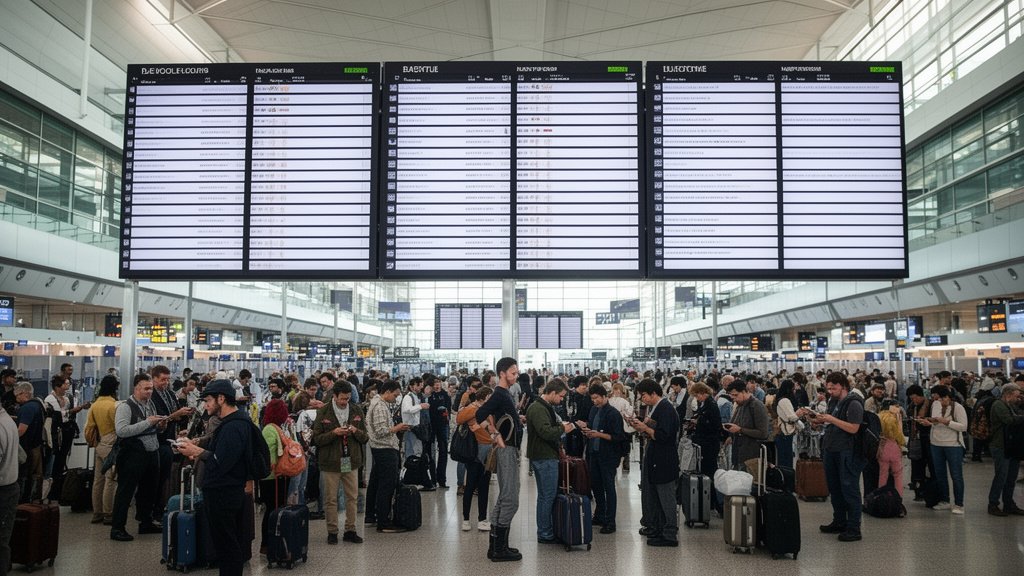
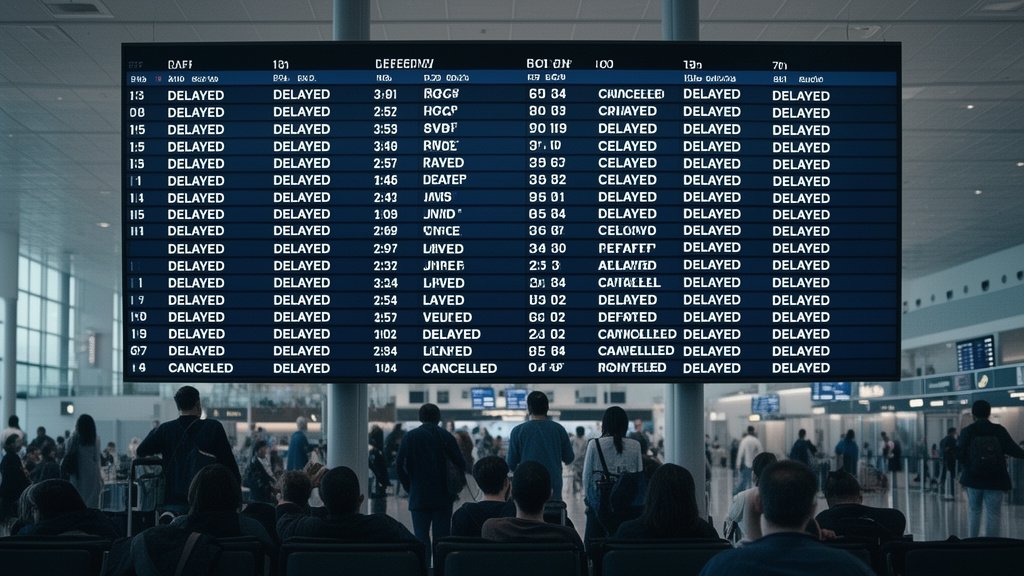
The ripple effects of the four-hour ground stop were immediate and severe. Across the country, passengers faced scenes of chaotic terminals, long queues, and canceled plans as the technical failure cascaded through major hubs. While the FAA has confirmed that the halt was necessitated by a systemic issue, the recovery process is expected to last well into the coming days as airlines attempt to re-sync their schedules and reposition aircraft. This incident serves as a stark reminder of the fragile balance between efficiency and stability in modern air travel.
The Political Response: ‘Overloaded’ Systems
Transportation Secretary Sean Duffy, representing the Trump administration, issued a direct response to the crisis, citing the primary cause as outdated and “overloaded” network infrastructure. The administration’s stance highlights a long-standing concern among aviation experts: the disparity between the growing volume of air traffic and the aging technology that manages it. Secretary Duffy emphasized that the system was being stretched to its breaking point, suggesting that the current architecture is struggling to support the demands of 21st-century aviation. This characterization of the event shifts the narrative from a simple technical glitch to a broader structural problem that may require significant federal intervention and investment to rectify.
The Technical Debt of American Aviation
At the core of the failure lies the complex and notoriously difficult-to-modernize infrastructure that powers the FAA’s notification systems. For years, the agency has relied on legacy frameworks that, while once revolutionary, are increasingly prone to bottlenecks. When these systems are subjected to peak demand or unanticipated data loads, they risk entering a recursive failure loop. This is not the first time such concerns have been raised; industry analysts have frequently warned that without a comprehensive overhaul of the digital backbone—often referred to as the ‘tech debt’ of the FAA—the risk of similar nationwide outages will continue to rise. The failure highlights the challenge of maintaining real-time communication between ground control and airborne pilots, where even a momentary loss of data integrity necessitates an immediate, precautionary ground stop.
The Economic Ripple Effect
The economic consequences of a four-hour nationwide ground stop are profound. Beyond the immediate costs incurred by airlines—ranging from fuel inefficiencies and crew repositioning expenses to passenger compensation—the event disrupts the entire supply chain. Air cargo, which relies on the predictability of the FAA’s network, faces delays that impact manufacturing, medical deliveries, and retail logistics. Economists suggest that while the direct impact is measurable in the immediate cancellation numbers, the indirect ‘shadow’ costs, including productivity losses and the eroding confidence in air travel, are significantly higher. Airlines now face the monumental task of re-accommodating thousands of passengers, a process that is as complex logistically as it is financially taxing.
A Path Toward Systemic Resilience
Looking forward, the debate regarding the future of the FAA’s infrastructure is likely to intensify. The Trump administration’s focus on the ‘overloaded’ nature of the systems suggests that future policy may prioritize massive technological investment. Aviation experts are calling for a transition toward more decentralized, cloud-redundant, and resilient architectures that can absorb such technical strain without triggering a full-scale national shutdown. Whether this requires a phased migration or a radical re-imagining of air traffic control protocols remains the central question for policymakers. As the industry moves toward recovery, the pressure to demonstrate that such a failure cannot recur will remain the highest priority for the Department of Transportation.