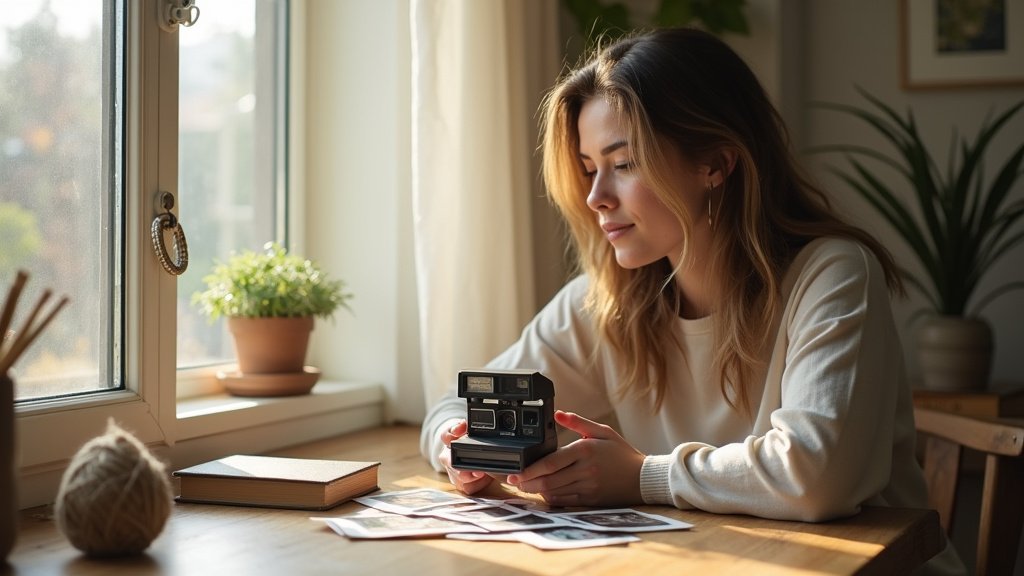
In 2026, a significant movement is emerging among social media influencers. They are championing an “analog lifestyle.” This means a conscious reduction in digital connectivity. Screen time is being minimized. Influencers are seeking more authentic experiences. They aim to break habits of constant digital dependence. This trend responds to pervasive smart technology. It addresses mental health challenges linked to heavy digital use.
The Rise of the Analog Lifestyle
Social media stars are at the forefront of this shift. Influencers like Selly Tan from California are leading the way. Tan vows to print photos. She plans to read more physical books and magazines. She also seeks hobbies not requiring Wi-Fi. “People are craving something real again,” Tan stated. Rosie Okatcha, a UK influencer, called 2026 “The Age of Analog.” She suggests swapping music streaming for iPods and vinyl records. Crafting is preferred over endless scrolling. Sanchi Oswal in Germany noted going analog reduces “exposure and reliance on digital stimuli.” This includes her phone. For many, technology dependence is a learned habit. They aim to break it. The goal is to rebalance time and energy. Reducing distractibility and stress is key.
Why the Shift? Mental Health and Authenticity
Digital fatigue is a major driver. Constant exposure to screens drains creativity. It replaces active engagement with passive consumption. This contributes to stress. Attention spans are also affected. Studies link heavy digital dependence to mental health issues. These include anxiety and depression. Social media can fuel unhealthy comparisons. It creates pressure to match curated lives. Influencers are modeling healthier habits. This builds trust and fosters loyalty. The “analog lifestyle” offers a break from the “attention economy”. It’s about reclaiming time and mental clarity.
Embracing Tangible Experiences
The trend manifests in many ways. Influencers showcase “analog bags.” These are tote bags filled with offline activities. Think craft supplies, games, and journals. People are rediscovering physical media. This includes vinyl records and CDs. Searches for “iPods” on eBay surged over 1,200 times per hour globally in late 2025. The third-generation iPod saw a 50% price increase in 2025. Traditional hobbies are also popular. Knitting, crochet, and embroidery are experiencing a revival. Journalling, scrapbooking, and playing board games are common. Even simple acts like using a physical alarm clock feel liberating.
Analog in Entertainment, Fashion, and Technology
This analog movement touches all forms of entertainment. Music listeners are swapping streaming for physical formats. Vinyl sales continue to climb. Books are also doing well; print sales have not been surpassed by digital. In fashion, the focus is on authenticity. Brands are moving toward experts like stylists over broad lifestyle influencers. However, fashion also sees a rise in virtual influencers. CGI and AI create digital personas for brands. These virtual models offer total control and sustainability. They promote digital-only collections. This contrasts with the analog push for tangible items. In technology, there’s a push for “cute tech.” This relies on toy aesthetics and nostalgia. Some designers offer analog accessories. This is a rejection of constant modernity.
The Paradox of Online Trends
Ironically, this analog trend is often promoted on digital platforms like TikTok. Influencers share their “analog journeys” online. This creates a paradox. The purpose is to disconnect, yet it’s shared digitally. Some critics suggest this trend can be consumerist. New supplies are bought for analog living. This is often documented for social media. Experts advise starting with small, consistent adjustments. Removing phones from view is one method. Muting notifications also helps.
Looking Ahead
The “analog lifestyle” represents a significant cultural shift. It’s a response to digital saturation. It prioritizes mental well-being and genuine connection. While technology remains integral, this trend highlights a desire for balance. It encourages a more mindful approach to daily life. This movement suggests a future where digital and analog coexist intentionally. It’s about finding tangible experiences in an increasingly virtual world. This trend is more than just a fad. It reflects a deeper need for human connection and a slower pace.