
The US Supreme Court has issued a significant ruling. It struck down President Donald Trump’s emergency tariffs. This decision impacts global trade policy. Trump has vowed to impose a new 10 percent global tariff. This action follows the court’s rebuke.
Supreme Court Rejects Trump’s Emergency Tariffs
The Supreme Court ruled by a 6-3 majority. They found Trump overstepped his authority. He used the International Emergency Economic Powers Act (IEEPA). This law is for national emergencies. It does not grant power to impose tariffs. Chief Justice John Roberts wrote the majority opinion. He stated the law did not authorize tariff imposition. This ruling invalidates a broad set of tariffs. These were placed on nearly all imports. This includes reciprocal duties on dozens of countries. Lower courts had also ruled against these tariffs. The Supreme Court agreed with these decisions. They clarified that Congress, not the President, holds the power to tax.
Trump’s Swift Response: A New Tariff Order
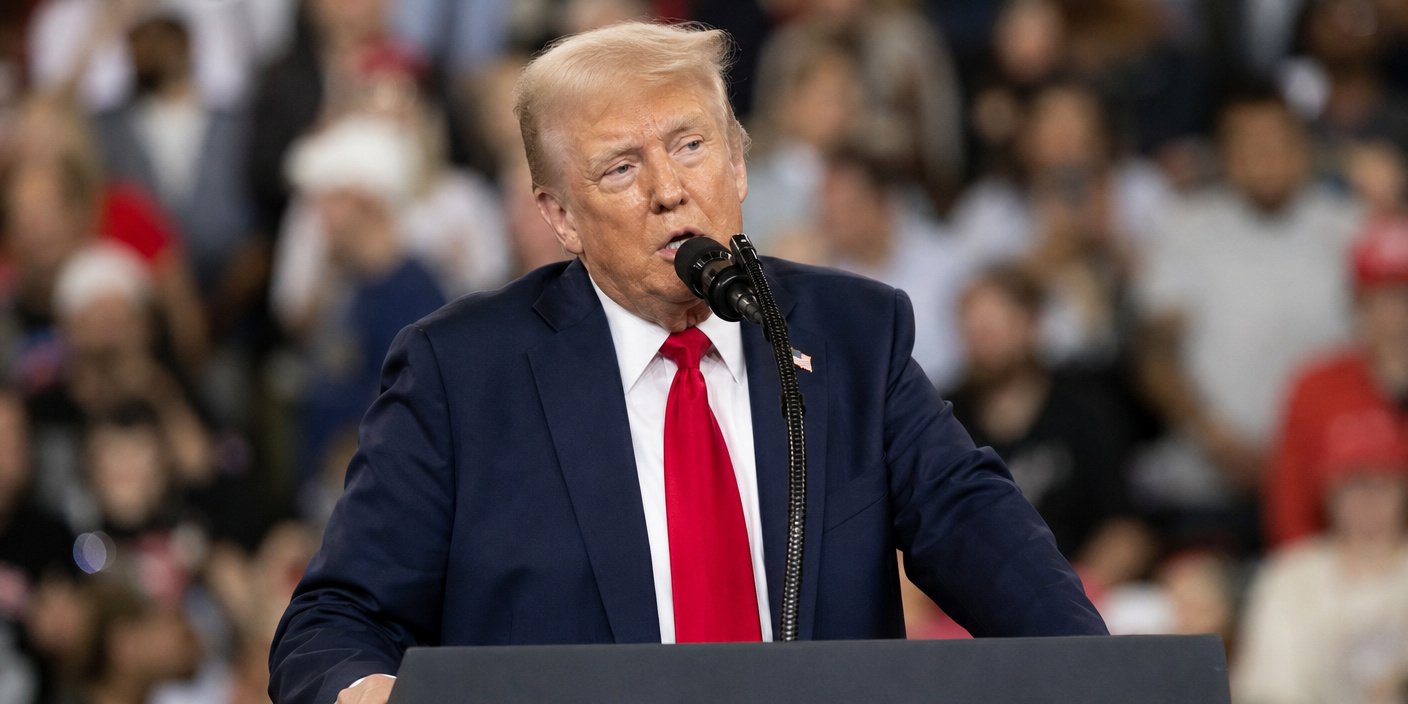
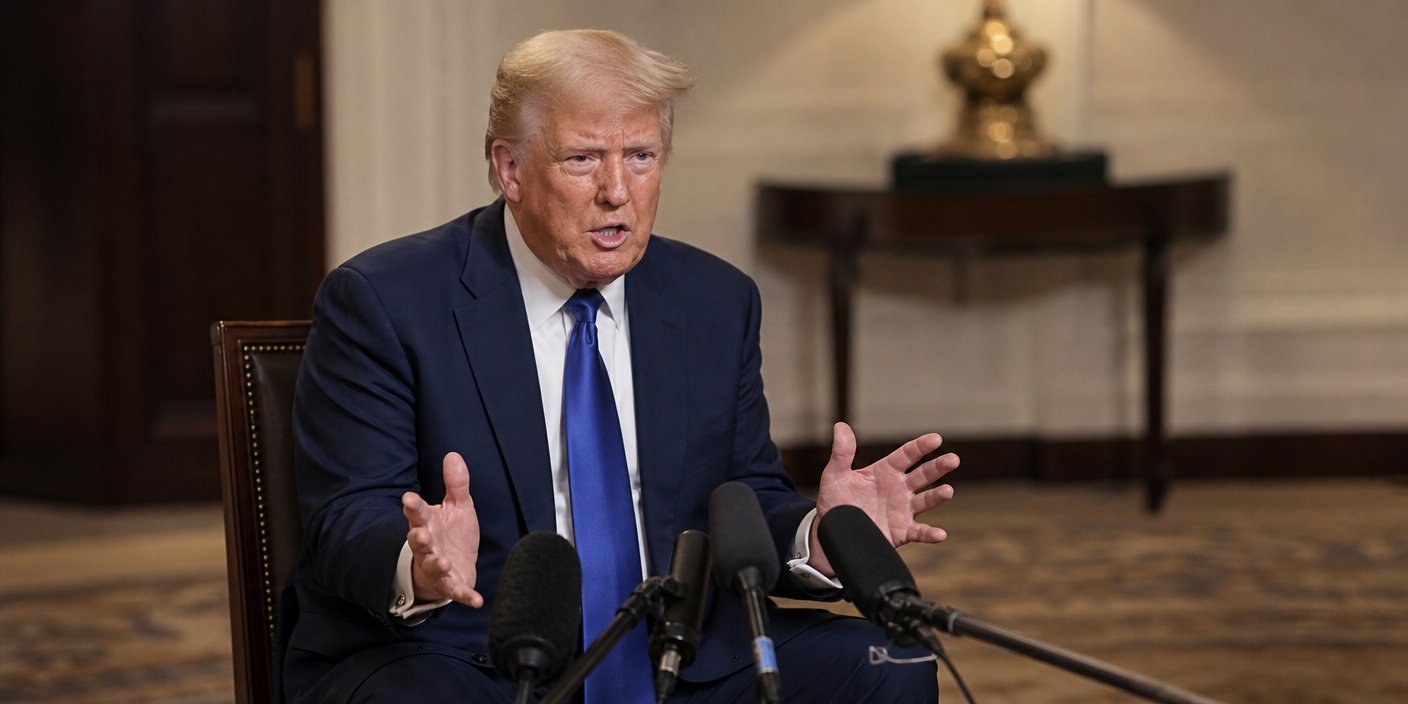
President Trump reacted strongly. He called the ruling “deeply disappointing.” He expressed shame for certain justices. Trump pledged to use alternative legal avenues. He announced a new 10 percent global tariff. This new tariff order was signed quickly. It will take effect soon. The President cited Section 122 of the Trade Act of 1974. This law allows temporary import duties. These can last up to 150 days. Congress would need to approve extensions. The White House issued a fact sheet. It details the new temporary import duty.
Background of Trump’s Tariff Policies
Trump has long favored tariffs. He sees them as a tool for trade. He believes they protect American industries. He also aims to reduce trade deficits. His administration previously used Section 232. This covers national security. It led to tariffs on steel and aluminum. Section 301 was also used. This targeted countries with unfair trade practices. These actions often sparked retaliatory tariffs. Economists have noted that American importers pay tariffs. They then pass costs to consumers. Studies show these tariffs increased expenses for companies. They also raised costs for households.
Implications and Expert Reactions
The Supreme Court’s decision is a blow to Trump’s economic agenda. It limits presidential power on trade. Some experts suggest the new 10 percent tariff may also face legal challenges. Legal experts noted that Section 122 has never been used. It requires a judicial process for broader applications. The economic impact of previous tariffs is debated. Some studies show job growth slowed. Corporate bankruptcies increased. However, the Coalition for a Prosperous America suggests tariffs could boost incomes. They argue revenue could fund tax cuts for the middle class. The Supreme Court’s ruling now creates uncertainty. It raises questions about refunds for already paid tariffs. Companies may seek billions in reimbursements. This situation could lead to prolonged litigation.
Future of US Trade Policy
The future direction of US trade policy remains dynamic. The new tariffs could lead to higher prices for consumers. This is a primary concern. Many Americans believe Trump’s policies increased costs. The tariffs have generated significant revenue. However, they represent a small portion of federal revenue. They have not replaced income taxes as some had hoped. The trade deficit has narrowed recently. However, it remains a focus of debate. The administration explores other avenues. These include Section 232 for national security. They also look at Section 301 for unfair practices. These paths involve investigations. They could lead to longer-term, higher tariffs. The news on trade policy remains a top trending topic. This development is featured in many news outlets. It is a viral issue among economic analysts.