Global oil prices have surged dramatically. They now top $100 a barrel. This marks the highest point since 2022. Escalating military aggression in the Middle East is the cause. Tensions have intensified significantly.
Conflict Roils the Middle East
The current crisis stems from a war involving the United States and Israel against Iran. This conflict has led to major disruptions. Iran has retaliated with drone and missile strikes. Several energy sites in Iran were hit. Bahrain’s oil refinery also suffered damage. This has led to a declaration of force majeure. Kuwait’s national oil company announced production cuts.
Strait of Hormuz Closure Sparks Fears
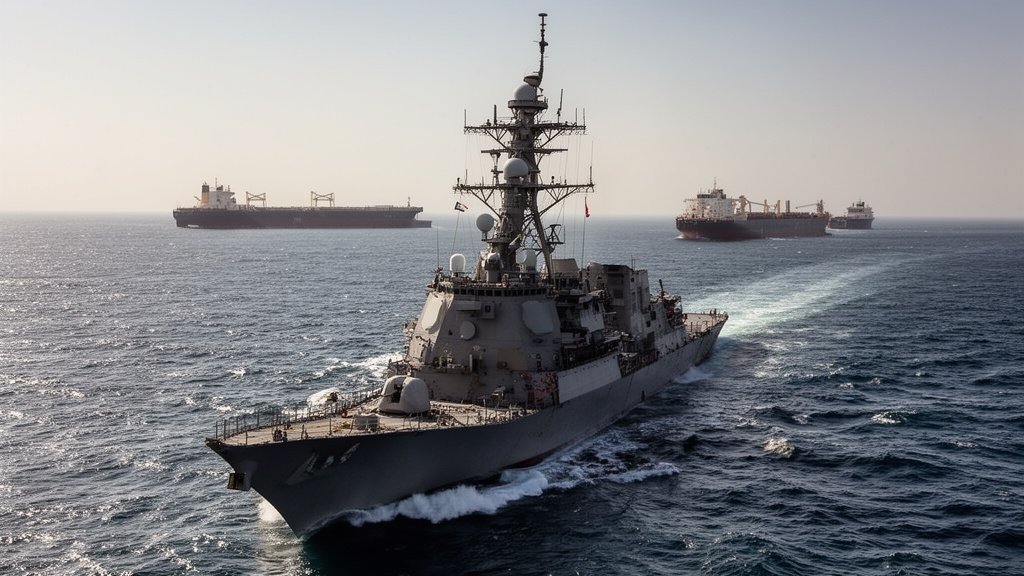
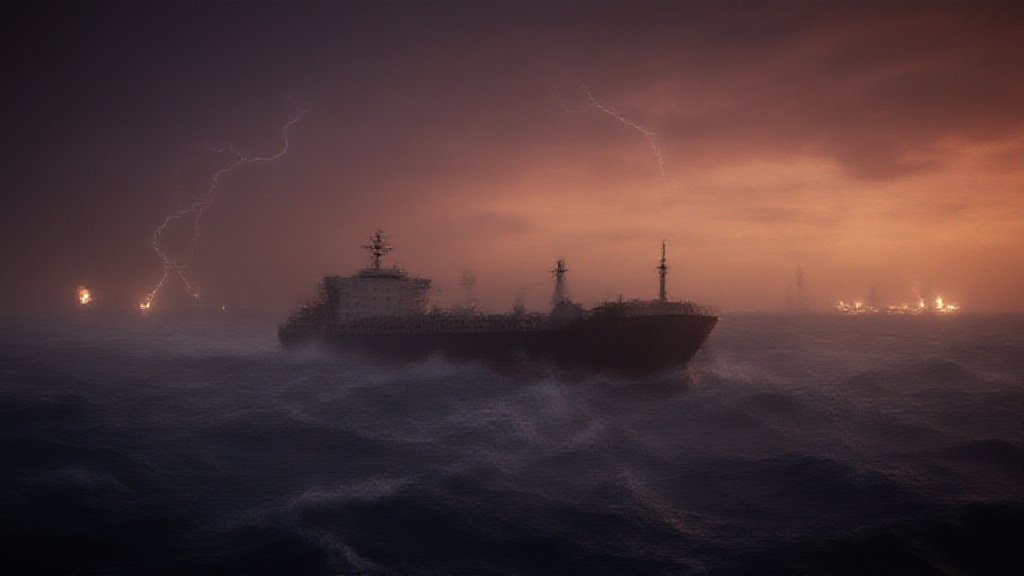
The Strait of Hormuz is a critical energy artery. It handles about one-fifth of global oil trade. Traffic through the strait has effectively stopped. This halt has lasted for nearly a week. This blockage fuels major supply concerns. Around 15 million barrels of oil pass daily. The threat of attacks stalls tankers. Major producers are cutting output. Storage tanks are filling up.
Oil Benchmarks Skyrocket
Brent crude, the international benchmark, saw prices climb sharply. It briefly neared $119.50 per barrel. This is its highest level in four years. West Texas Intermediate (WTI), the US benchmark, also surged. It reached prices near $118.70 per barrel. Both benchmarks surpassed the $100 threshold. This is a significant psychological barrier. Oil prices have jumped about 30% recently.
Human Cost: US Soldier Dies
The conflict has a tragic human toll. A seventh US service member died. This soldier succumbed to injuries. The injuries were from an Iranian attack. The incident occurred in Saudi Arabia on March 1. This marks the first US death outside Kuwait. Another US soldier died in Kuwait from a medical emergency. These deaths underscore the risks. President Trump acknowledged potential casualties.
Global Market Reactions
Financial markets reacted severely. Stock markets across Europe fell. Asian markets also experienced sharp declines. Japan’s Nikkei 225 dropped significantly. South Korea’s Kospi slumped. Australia’s ASX 200 also saw losses. Concerns over inflation are growing. Tighter financial conditions are expected.
Official Responses and Future Outlook
Leaders are discussing responses. G7 finance ministers are meeting. They will consider releasing strategic oil reserves. This aims to ease market pressure. South Korea already capped fuel prices. This is a move not seen in three decades. Former President Trump downplayed the price hike. He called it a “small price to pay” for peace. However, Iranian authorities warned of higher prices. They suggested prices could exceed $200 per barrel.
Geopolitical Uncertainty Grows
The appointment of Mojtaba Khamenei is notable. He is now Iran’s new supreme leader. This consolidates power. It adds to regional instability concerns. Analysts draw parallels to the 1979 oil crisis. The situation remains fluid and volatile. The focus remains on supply disruptions. The market watches for further escalation. This news is trending now. Current news highlights the ongoing impact.