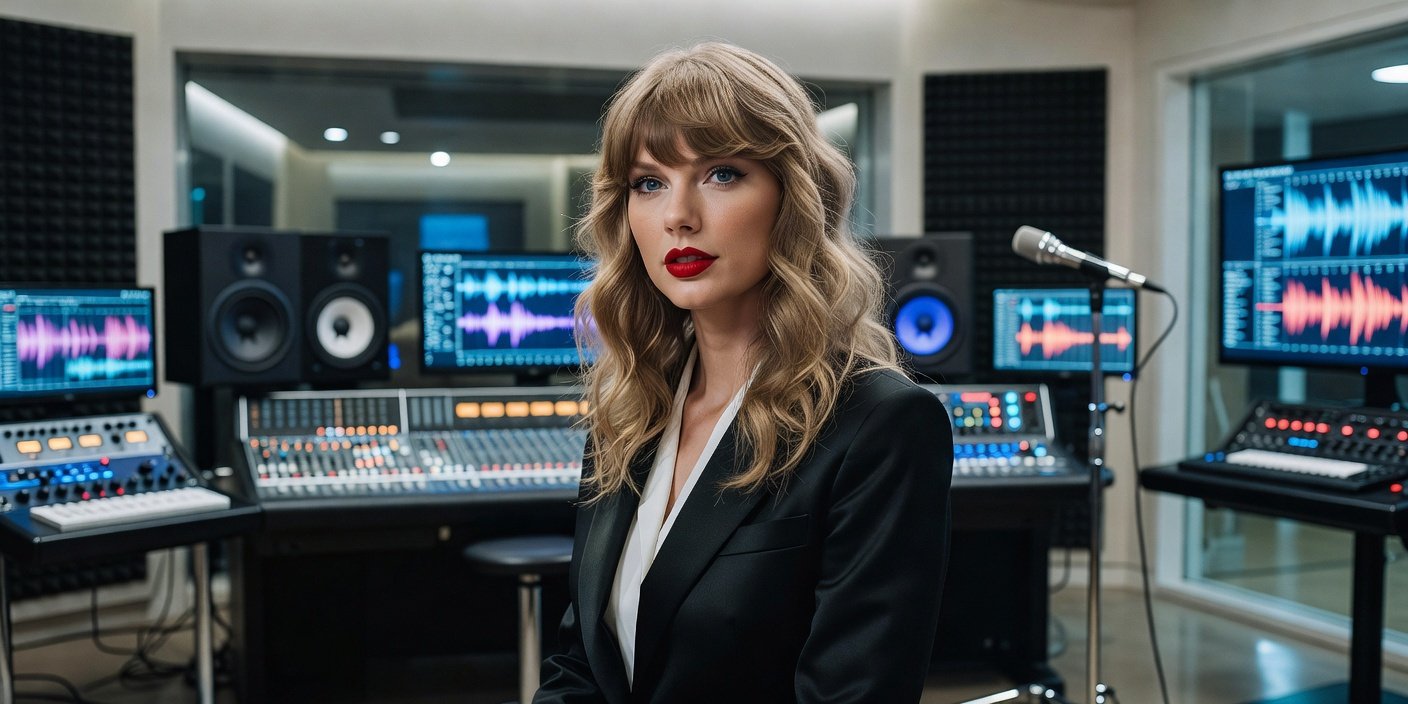
As Spotify celebrates its 20th anniversary, the platform has officially unveiled its inaugural all-time streaming rankings, naming Taylor Swift as the most-streamed artist in its history. This monumental achievement underscores Swift’s unparalleled dominance in the digital music era, cementing her legacy as a cultural and economic juggernaut. The rankings, which consolidate years of user data, offer the first official deep dive into the artists, albums, and tracks that have defined the streaming service since its inception in 2006.
Key Highlights
- Historical Milestone: Taylor Swift officially takes the #1 spot as Spotify’s most-streamed artist of all time, following two decades of platform growth.
- Top Tier Competition: The list is rounded out by global powerhouses including Bad Bunny (#2), Drake (#3), The Weeknd (#4), and Ariana Grande (#5).
- Album and Song Records: While Swift claims the artist title, Bad Bunny’s “Un Verano Sin Ti” holds the record for most-streamed album, and The Weeknd’s “Blinding Lights” remains the most-streamed song.
- Data Methodology: The rankings are based on “lead streams”—tracks attributed directly to an artist’s discography rather than collaborative features—providing a more accurate reflection of individual artist draw.
The Streaming Titan: Swift’s Historic Milestone
The declaration of Taylor Swift as the most-streamed artist on Spotify is more than just a metric; it is a testament to a career defined by relentless reinvention and an intimate, direct-to-fan engagement model. Swift’s ascent to the top of the leaderboard did not happen overnight. Her journey on Spotify has been characterized by a gradual, yet explosive, build-up of catalogue value.
A Monumental Shift in Industry Metrics
In the early years of the streaming era, Swift was famously skeptical of the model, famously pulling her music from the platform in 2014 to advocate for higher compensation for songwriters and artists. Her eventual return in 2017—coinciding with the release of 1989—marked a pivotal moment. By treating streaming not as a replacement for physical sales but as a dynamic, interactive library, Swift managed to cultivate a listening culture that incentivized repeat plays. Her “Vault” tracks and re-recorded albums have further amplified this by creating a constant stream of “new” content, keeping her entire back catalogue perpetually relevant.
Decoding the Methodology
It is important to understand how these rankings were derived. Spotify’s internal data focuses on “lead streams,” excluding featured appearances. This methodology favors artists with consistent, high-volume solo outputs and long-term career arcs. By isolating an artist’s primary discography, the ranking highlights those who are consistently chosen by the listener, rather than those who simply appear frequently on collaborator-heavy hit lists. This distinction is crucial in understanding why Swift’s specific strategy—releasing albums frequently and building long, cohesive projects—has allowed her to overtake competitors who rely heavily on guest features.
Beyond the Crown: The Competitive Streaming Landscape
While Swift holds the top position, the list of the top five most-streamed artists of all time illustrates the diverse ways global success is achieved in the digital age. The proximity of Bad Bunny, Drake, and The Weeknd in the top rankings highlights the fierce competition at the summit of the music industry.
The Bad Bunny Phenomenon
Bad Bunny’s #2 placement is perhaps the most significant indicator of the “globalization” of music streaming. By proving that a non-English language discography could achieve historic dominance, the Puerto Rican artist dismantled long-standing industry barriers. His album Un Verano Sin Ti becoming the most-streamed album of all time speaks to the massive cultural impact of Latin music on the global stage, a trend that Spotify’s data validates as a permanent shift rather than a temporary spike.
The Staying Power of Drake and The Weeknd
Drake and The Weeknd occupy the 3rd and 4th spots, respectively, representing the pinnacle of the hip-hop and R&B crossover dominance that defined the 2010s. Drake’s success is built on an incredible volume of output and a high “hit rate”—his ability to remain part of the cultural zeitgeist through constant, genre-bending releases. The Weeknd, meanwhile, demonstrates the power of the singular, massive hit; with “Blinding Lights” holding the record for the most-streamed song, he proves that one seismic, ubiquitous track can drive massive, sustained traffic to a career for years.
Economic Implications of the Streaming Era
The streaming dominance of these artists has profound economic consequences for the broader music industry. The shift toward subscription-based consumption has turned music into a utility, and the artists at the top of these lists act as the primary engines of the platform’s revenue.
Monetizing the Digital Catalog
For top-tier artists, the streaming platform has become a multifaceted ecosystem. It is no longer just a distributor of recorded music; it is the central hub for merchandise, tour marketing, and direct-fan updates. As streaming accounts for over 80% of generated revenue in the United States, according to the Recording Industry Association of America, these rankings serve as a blueprint for where music marketing budgets are increasingly being funneled. The “super-fan” economy, driven by streaming engagement, creates a feedback loop where massive digital listenership translates directly into sold-out stadium tours and physical media sales.
The “Vault” Strategy and Continuous Engagement
Swift’s specific approach of releasing “Vault” tracks—songs left on the cutting room floor from previous recording sessions—has created a new model for catalogue management. By adding these tracks to streaming services, she transforms historical data into current event releases. This forces the streaming algorithm to constantly “refresh” her discography, ensuring that legacy hits remain alongside new content. This strategy provides a lesson in digital longevity that other major artists are now rushing to emulate.
Future Outlook: Can Anyone Unseat the Top?
The battle for the #1 spot is unlikely to remain static. As Spotify enters its third decade, the mechanisms of discovery are changing.
Algorithmic Trends and Global Appeal
The next five years will likely see a shift in how these rankings evolve. While Swift and Drake have massive, entrenched fanbases, the rise of regionalized genres—from Afrobeats to K-pop—suggests that the next “most-streamed” artist might come from a demographic or region currently under-represented in the top 10. The platform’s “Discover Weekly” and algorithmic personalization tools are increasingly prioritizing niche discovery, which may eventually fragment the streaming dominance currently enjoyed by the industry’s biggest monoliths.
The Evolving Nature of Music Consumption
Ultimately, this snapshot of 2026 data confirms that we are living in the era of the “Superstar.” While the landscape is competitive, the gap between the top 5 and the rest of the industry remains vast. For now, the crown belongs to Taylor Swift, but the data clearly shows that in the streaming age, the race for the top is an ongoing, daily pursuit of global relevance.
FAQ: People Also Ask
1. How is Spotify calculating these ‘all-time’ rankings?
The rankings are based on “lead streams,” meaning they tally the plays for tracks where the artist is the primary or main performer, excluding guest appearances or featured credits to ensure the data reflects the artist’s own draw.
2. Is this the first time Spotify has released this data?
Yes, this is the first time Spotify has released a comprehensive, all-time list of most-streamed artists, albums, and songs, timed to celebrate the platform’s 20th anniversary.
3. Does this ranking change frequently?
While the top spots are held by established global stars who accumulate billions of streams annually, the order of the top 10 can shift due to new album cycles and the viral success of individual tracks, though the accumulated totals for all-time leaders create a significant barrier to entry for new artists.
4. Are there any surprises in the Top 10 list?
While the presence of stars like Drake, Bad Bunny, and Ariana Grande is expected, the list highlights the immense global reach of acts like BTS and J Balvin, showing that international and non-English language music is a massive pillar of Spotify’s ecosystem.