The United States is currently locked in a harrowing struggle against a volatile atmospheric convergence, with severe weather systems spawning violent tornado outbreaks in the Plains while aggressive wildfires rage across the Southeast. This compound disaster—where extreme convective storms and fire-conducive drought conditions occur simultaneously—has forced millions of Americans into a state of high alert, challenging emergency management capabilities and straining critical infrastructure.
Key Highlights
- Violent Tornado Outbreak: An EF4 tornado struck Enid, Oklahoma, on April 25, 2026, causing significant damage to residential areas and forcing the temporary closure of Vance Air Force Base.
- Wildfire Devastation: Over 80 homes have been destroyed in Brantley County, Georgia, as dry conditions fuel rapidly spreading blazes across the state.
- Federal Response: Disaster declarations are expanding, with federal resources mobilized to manage the dual threats of wind-driven destruction and large-scale fire mitigation.
- Compound Risk: Meteorological experts are highlighting the increasing frequency of “compound climate events,” where rapid transitions from extreme precipitation to severe drought create unique hazards for local communities.
The Atmospheric Convergence: Analyzing the Compound Disaster
The current weather landscape across the United States is a stark demonstration of meteorological extremes. While the Midwest and Plains continue to reel from a historically active severe thunderstorm season—characterized by frequent, high-intensity tornado outbreaks—the Southeast is battling the adverse effects of prolonged dry spells. This geographic bifurcation of threats creates a complex operational environment for the National Weather Service (NWS) and emergency responders.
The Tornado Threat: Rapid Escalation in the Plains
On April 25, 2026, the potential for destructive severe weather materialized with deadly accuracy in Oklahoma. The EF4 tornado that tore through Enid is the latest in a series of severe convective storms that have plagued the central United States throughout April. Forecasters emphasize that the current pattern, driven by a persistent trough over the western U.S. and a strong ridge to the east, has funneled moisture into the Plains, creating the high-instability environment necessary for long-track, violent supercells.
Beyond the immediate physical damage, the persistent nature of these storms has exhausted local warning networks. Communities that have faced repeated threats over the past 48 hours are reporting “warning fatigue,” a psychological phenomenon that complicates evacuation and shelter efforts. The damage to critical infrastructure, such as military facilities like Vance Air Force Base, underscores the vulnerability of even fortified assets to these extreme wind events.
The Fire Hazard: Drought Meets Ignition
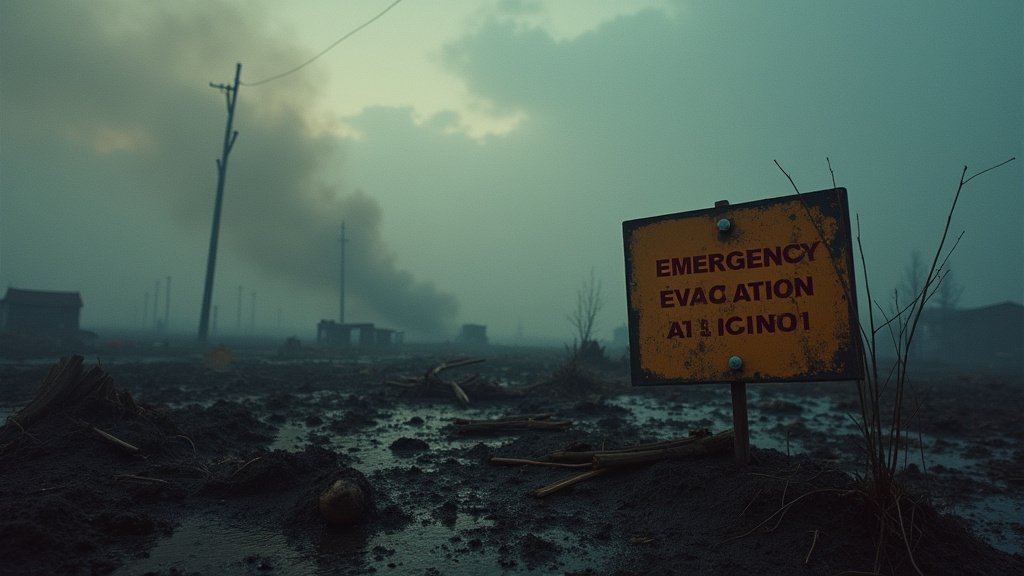
Simultaneously, the southeastern United States is confronting a different, yet equally devastating, peril. In Georgia, the combination of below-average rainfall and high winds has turned landscape management into a desperate battle against rapidly moving wildfire fronts. The destruction of over 80 homes in Brantley County serves as a grim reminder of the wildfire risk that can develop even in non-traditional fire seasons when drought persists.
Unlike the immediate, short-duration threat of a tornado, these wildfires represent a sustained crisis. Smoke plumes from the Georgia fires have affected air quality across the region, while the logistics of firefighting in populated areas present significant risks to first responders. The fires are currently being exacerbated by dry vegetation—a direct result of a lack of rainfall over the last 30 days—highlighting the secondary, compounding impact of climate-driven hydrological deficits.
Infrastructure and Societal Resilience
This week’s events demonstrate the limitations of modern infrastructure in the face of such diverse, widespread threats. Electrical grids, already stressed by increased demand for heating or cooling, are highly vulnerable to both falling debris from tornadoes and the loss of transmission lines from wildfires.
Furthermore, the economic toll is mounting rapidly. Insurance providers, including global firms like Gallagher Re, have already flagged the April 2026 severe weather season as having cumulative losses exceeding $1 billion, even before factoring in the most recent wildfire damages. The gap between insured losses and total economic costs—which include uninsured property, agricultural losses, and the long-term impact on local tax bases—is becoming a central point of discussion among disaster recovery analysts.
Looking Ahead: Climate Adaptation
Meteorologists are increasingly pointing toward the concept of “atmospheric volatility” to explain these patterns. The 2026 season has seen an unusual number of days with high-risk outlooks issued by the Storm Prediction Center. As we move deeper into the spring, the primary concern for federal agencies is the exhaustion of regional firefighting and storm response resources. Communities in the affected paths must prioritize situational awareness, utilizing local NWS alerts and wildfire monitoring dashboards to ensure they have the latest data as these conditions continue to evolve.
FAQ: People Also Ask
Q: What is a “compound weather event” and why is it dangerous?
A: A compound weather event occurs when multiple extreme hazards happen simultaneously or in rapid succession. In this case, tornadoes and wildfires require completely different emergency responses; resources such as firefighting teams and storm recovery crews are often stretched thin, making it harder to coordinate a unified recovery effort.
Q: Why are there so many tornadoes in April 2026?
A: Atmospheric scientists attribute the high activity to a persistent weather pattern—a western trough and eastern ridge—that facilitates the collision of cold, dry air from the north with warm, humid air from the Gulf of Mexico, providing the fuel necessary for powerful storm cells.
Q: How can residents protect their homes from these dual threats?
A: Residents should maintain a “go-bag” for immediate evacuations, clear “defensible space” around their homes to mitigate wildfire risk (removing dry brush), and ensure they have multiple ways to receive severe weather alerts, such as NOAA weather radios, which function even when cell towers are down.
Q: Is there federal assistance available for the affected states?
A: Yes, FEMA typically provides coordination and resources for states that issue a major disaster declaration. Governor-level declarations allow states to unlock federal assistance, which is currently being utilized in both the Midwest and the Southeast to manage the recovery process.