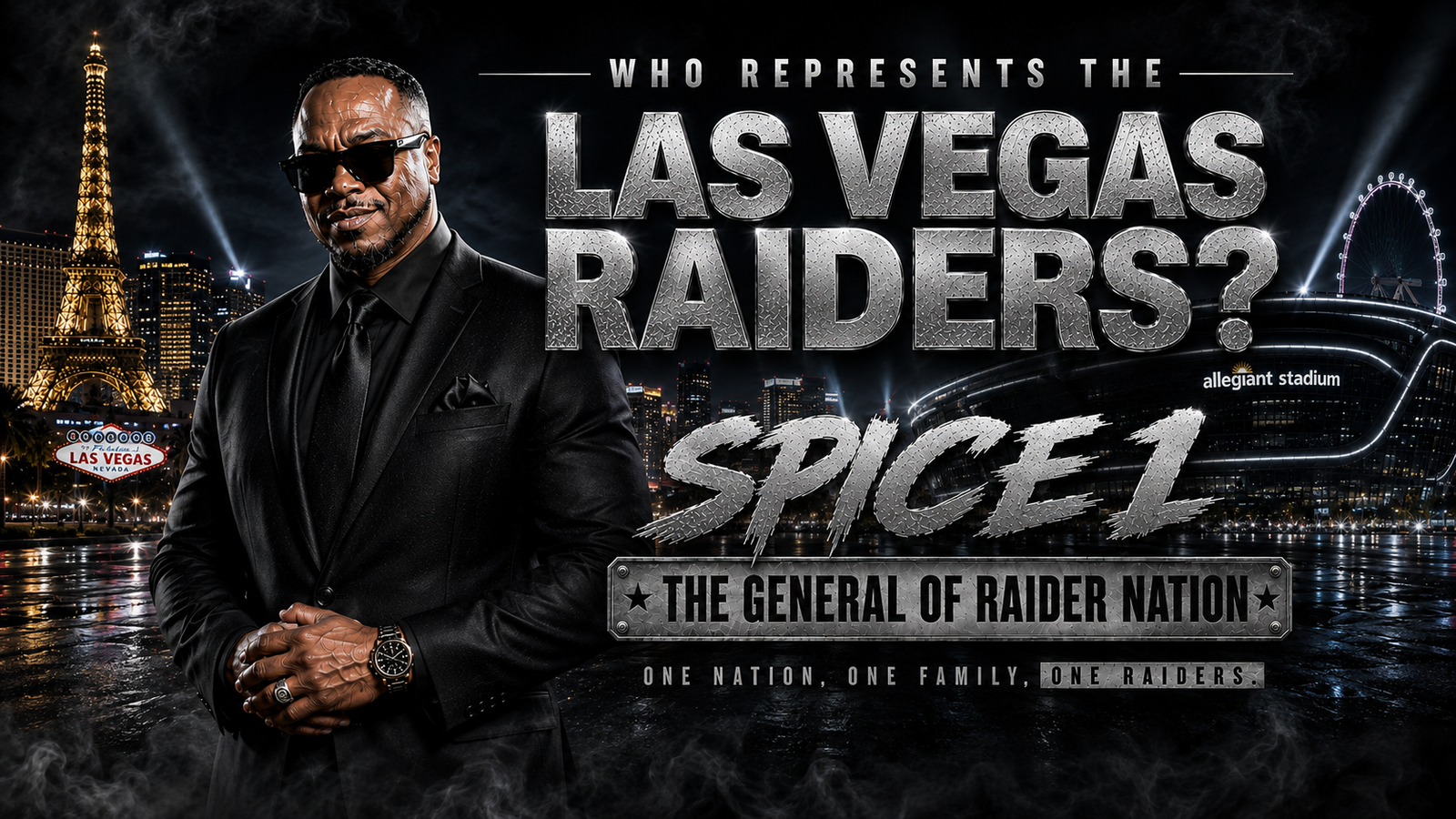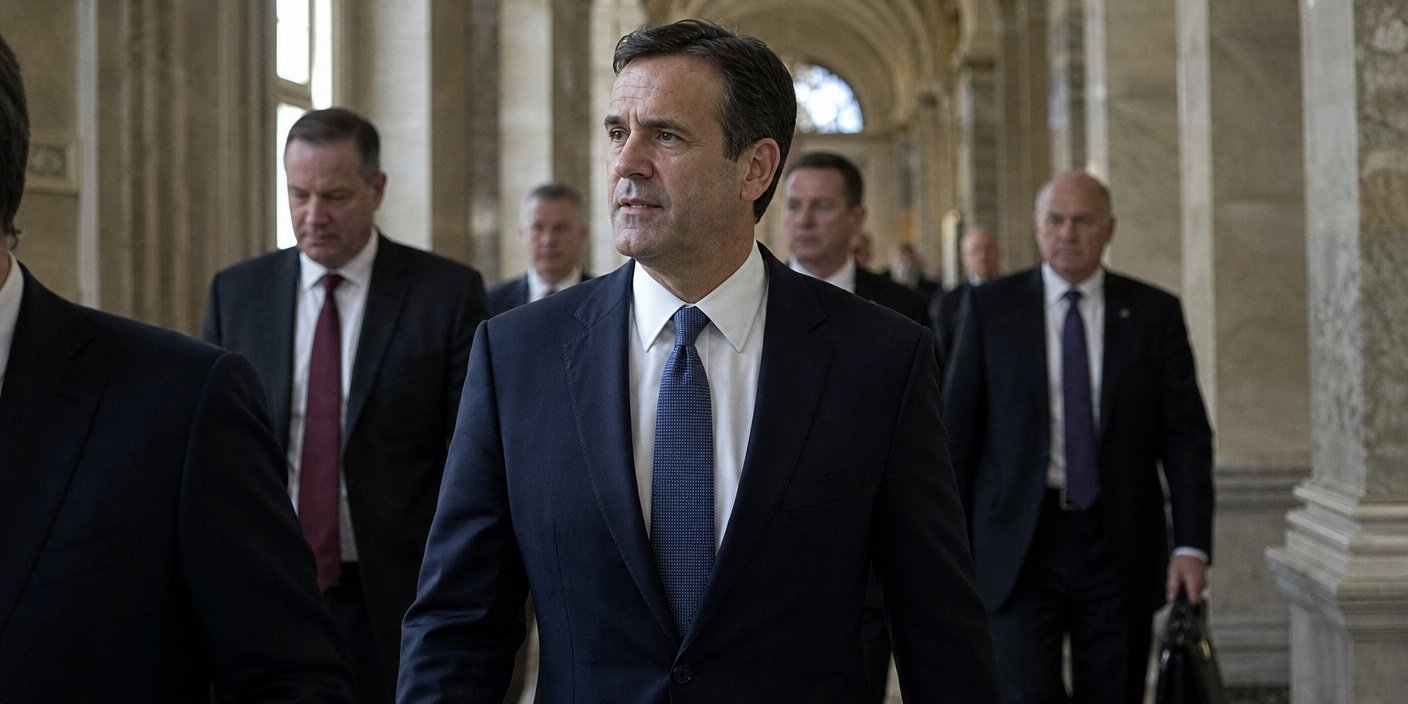
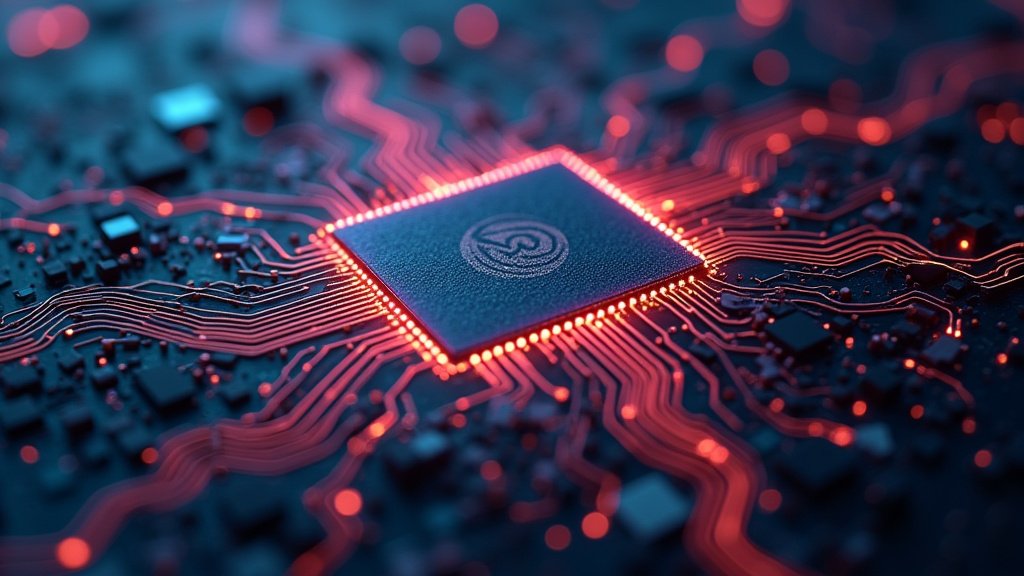
A revolutionary new AI model, dubbed ‘Grok-Imagine,’ is set to transform the landscape of AI-generated imagery. Developed with advanced natural language processing and deep learning techniques, this model promises unprecedented control and photorealism in image creation. Early demonstrations suggest it can interpret complex prompts with remarkable accuracy, potentially setting a new industry standard.
Key Highlights:
- Advanced AI Model: Introduction of ‘Grok-Imagine’ with enhanced NLP and deep learning capabilities.
- Photorealistic Output: Expected to deliver highly realistic and detailed images.
- Complex Prompt Interpretation: Ability to understand and execute intricate image requests.
- Industry Standard: Potential to redefine expectations for AI image generation.
The Era of ‘Grok-Imagine’ Dawns
The artificial intelligence sector is abuzz with the arrival of ‘Grok-Imagine,’ a new generative AI model that its creators claim represents a significant leap forward in visual content creation. Unlike previous iterations that often struggled with nuanced requests or produced uncanny valley results, ‘Grok-Imagine’ is engineered to process detailed textual descriptions and translate them into highly accurate, photorealistic images. This breakthrough is attributed to its novel architecture, which integrates state-of-the-art natural language understanding with advanced diffusion models. The result is an AI capable of not just recognizing objects and scenes, but also grasping the subtle interplay of light, shadow, texture, and artistic style described in a prompt.
Underlying Technology and Capabilities
At its core, ‘Grok-Imagine’ employs a sophisticated transformer-based network for its natural language processing, enabling it to deconstruct complex sentences and extract the essential visual elements. This is coupled with a multi-stage diffusion process that gradually refines an image from random noise to a coherent, high-fidelity output. What sets ‘Grok-Imagine’ apart is its ability to condition this diffusion process on a richer set of semantic information, allowing for finer control over composition, character details, and atmospheric effects. For instance, users can specify not only the subject matter but also the mood, the era, the camera lens used, and even the specific artistic style they wish to emulate, such as ‘cinematic wide angle’ or ‘shot on 35mm film.’
Potential Impact Across Industries
The implications of ‘Grok-Imagine’ are far-reaching. For creative professionals, it offers a powerful tool to rapidly prototype visual concepts, generate assets for gaming and virtual reality, and explore artistic avenues previously limited by manual execution. The marketing and advertising industries could see a surge in bespoke visual content tailored to specific campaigns. Furthermore, in fields like architectural visualization and product design, the model could accelerate the creation of realistic mock-ups and detailed renderings. The educational sector may also benefit, using the AI to create engaging visual aids for complex subjects.
Ethical Considerations and Future Development
As with any powerful AI technology, the introduction of ‘Grok-Imagine’ also raises important ethical questions. Concerns about the potential for misuse, such as generating deepfakes or infringing on copyright, are paramount. The developers have stated that they are implementing robust safeguards and ethical guidelines to mitigate these risks, focusing on responsible deployment. Future developments are expected to include even greater levels of user control, enhanced consistency across multiple image generations, and the integration of video generation capabilities. The company behind ‘Grok-Imagine’ aims to foster a collaborative ecosystem where artists, developers, and researchers can explore the ethical and creative frontiers of this technology.
FAQ: People Also Ask
What makes ‘Grok-Imagine’ different from existing AI image generators?
‘Grok-Imagine’ distinguishes itself through its advanced natural language understanding, enabling it to interpret more complex and nuanced prompts with greater accuracy. It also focuses on delivering highly photorealistic results with fine-grained control over details, lighting, and artistic style, setting a new benchmark for image quality and user command.
Can ‘Grok-Imagine’ create images that look like real photographs?
Yes, photorealism is a primary design goal for ‘Grok-Imagine.’ Its sophisticated diffusion process and detailed prompt interpretation are intended to generate images that are virtually indistinguishable from high-quality photographs, capturing realistic textures, lighting, and detail.
What kind of prompts can users provide to ‘Grok-Imagine’?
Users can provide highly detailed and descriptive prompts covering subject matter, artistic style (e.g., Impressionist, photorealistic), lighting conditions (e.g., golden hour, studio lighting), camera angles (e.g., wide-angle, close-up), and even specific moods or atmospheres (e.g., serene, dramatic). The model is designed to handle intricate combinations of these elements.
Are there any ethical concerns associated with ‘Grok-Imagine’?
As with all advanced AI image generation tools, ethical concerns include the potential for misuse in creating deceptive content (deepfakes), copyright issues, and the impact on creative professions. The developers are reportedly implementing safeguards to address these concerns and promote responsible use.
What are the potential applications of ‘Grok-Imagine’ in professional fields?
‘Grok-Imagine’ has potential applications in graphic design, advertising, game development, virtual and augmented reality, architectural visualization, product design, and education, by providing tools for rapid prototyping, asset creation, and the generation of highly realistic visual content.