Norway is in mourning today following the official announcement from the Royal Court regarding the death of King Harald V. In an immediate and seamless constitutional transition, Crown Prince Haakon has acceded to the throne, becoming King Haakon VIII of Norway. The transition marks the end of a transformative 33-year reign and the beginning of a new chapter for the House of Glücksburg, which has served as the sovereign house of Norway since 1905.
The Constitutional Transition of Power
Under the Constitution of Norway, specifically Article 6, the succession of the throne is automatic. Upon the passing of the monarch, the Crown Prince immediately assumes the title and duties of the King. The Royal Court has confirmed that King Haakon VIII will address the nation in a formal broadcast later this week, following a period of initial national mourning. The Storting, Norway’s parliament, is expected to convene shortly to recognize the new monarch, upholding the separation of powers that defines the nation’s parliamentary democracy.
The Legacy of King Harald V: A Modernizer
King Harald V, who ascended to the throne on January 17, 1991, was widely regarded as the “People’s King.” His reign was marked by a commitment to inclusivity and modernization, bridging the gap between the monarchy and the changing social fabric of 21st-century Norway. Known for his wit, warmth, and accessibility, King Harald oversaw a period of significant stability for the nation. Perhaps his most enduring legacy is the way he navigated the royal family’s interactions with the public, often emphasizing that the monarchy is a symbol of unity rather than power. During his 33-year tenure, the King and Queen Sonja traveled extensively across the country, ensuring that rural and northern communities felt represented in the national narrative.
The Path of King Haakon VIII
King Haakon VIII, formerly the Crown Prince, brings a wealth of preparation to his new role. Born in 1973, he has spent decades training for the constitutional duties of head of state. Having studied at the Norwegian Naval Academy and later earning a Master’s degree in Development Studies from the London School of Economics, the new King is widely viewed as a modern, academically prepared leader. During his tenure as Crown Prince, he focused heavily on environmental sustainability, global development, and the importance of youth leadership, signaling that his reign may focus on global challenges and the continued relevance of the monarchy in a digital age.
The House of Glücksburg and Norway’s Future
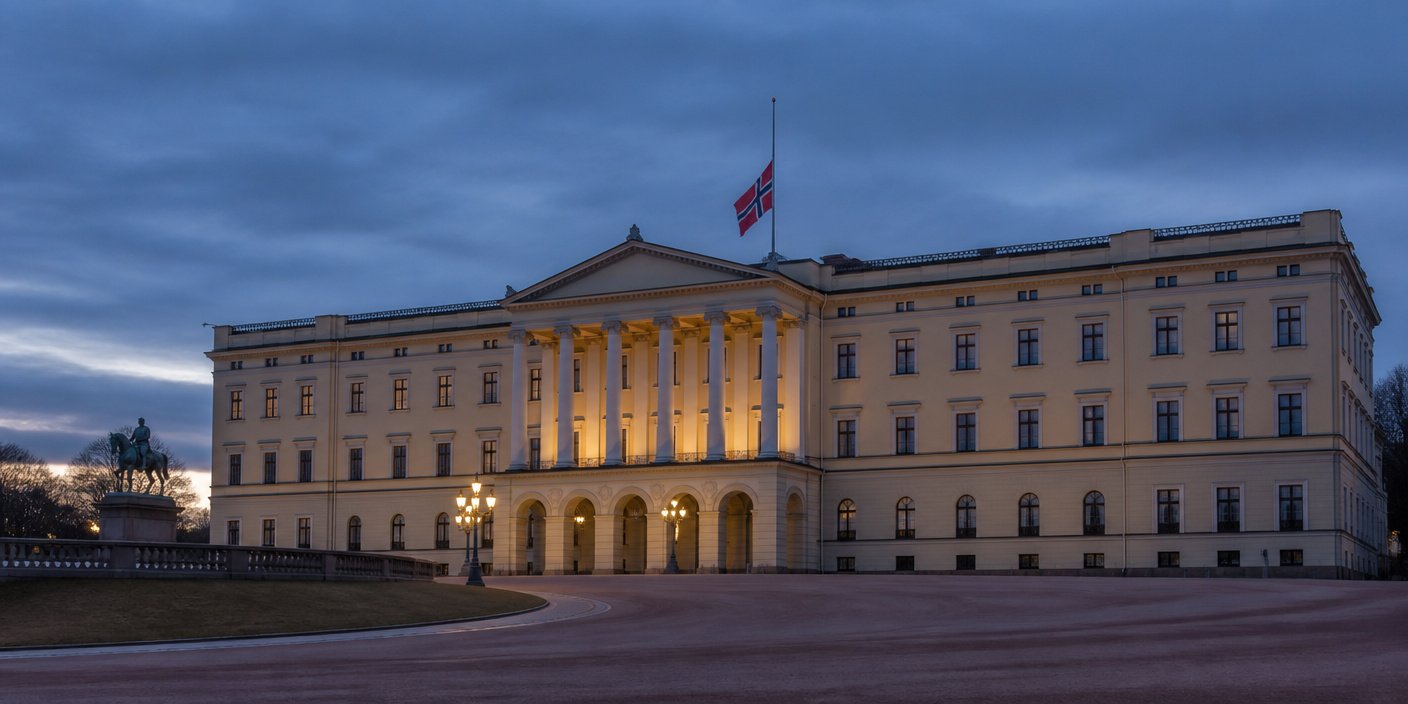
As Norway enters this period of transition, questions naturally arise regarding the future of the monarchy. The House of Glücksburg, which restored the Norwegian monarchy in 1905 with King Haakon VII following the dissolution of the union with Sweden, has maintained consistently high approval ratings. King Haakon VIII faces the unique challenge of maintaining this support while adapting the institution to a rapidly evolving society. Analysts suggest that the new King will likely continue his father’s path of understated, unifying leadership, avoiding political controversy while serving as a steadying presence in an increasingly complex geopolitical landscape. The Royal Palace in Oslo remains the focal point of the nation’s attention as citizens pay their respects, reflecting a deep-seated national respect for the institution that has helped define Norwegian independence for over a century.
FAQ: People Also Ask
1. Does the Norwegian monarch hold political power?
No. Norway is a constitutional monarchy. While the King is the Head of State, his duties are primarily representative and ceremonial. He does not exercise direct political power; the governing of the country is handled by the Storting (Parliament) and the Prime Minister.
2. Is there a coronation ceremony for the new King?
Norway abolished the traditional coronation ceremony in 1908. Instead, the monarch undergoes a “consecration” in the Nidaros Cathedral in Trondheim. King Haakon VIII will likely arrange this ceremony in accordance with tradition, though the timing will be determined by the Royal Court following the mourning period.
3. What is the role of the Prime Minister during the transition?
Under the Norwegian Constitution, the Prime Minister and the Cabinet (the Council of State) continue to exercise executive authority. They work in conjunction with the new monarch for official state functions, such as signing laws, which the King does in the Council of State to confirm their constitutional validity.
4. How long will the mourning period last?
While official government protocols are currently being finalized, royal mourning periods typically involve the lowering of flags to half-mast at state buildings and a cessation of official public engagements for the royal family for several weeks. Further announcements regarding funeral arrangements and the official consecration date will follow.