The United States military has officially entered the 11th consecutive night of offensive air operations against Iran, marking a significant and sustained escalation in regional security theater. Pentagon sources confirmed that the mission parameters remain focused on degrading critical military infrastructure, with sorties continuing to target high-value assets identified by U.S. Central Command (CENTCOM). The ongoing aerial campaign represents a shift toward a policy of persistent tactical pressure, designed to systematically neutralize threats before they can be mobilized in the Persian Gulf theater.
- Sustained Offensive: The U.S. air campaign has now extended into its 11th consecutive night of operations against Iranian infrastructure.
- Target Profile: Military assets and key infrastructure remain the primary targets, aimed at long-term neutralization of strategic capabilities.
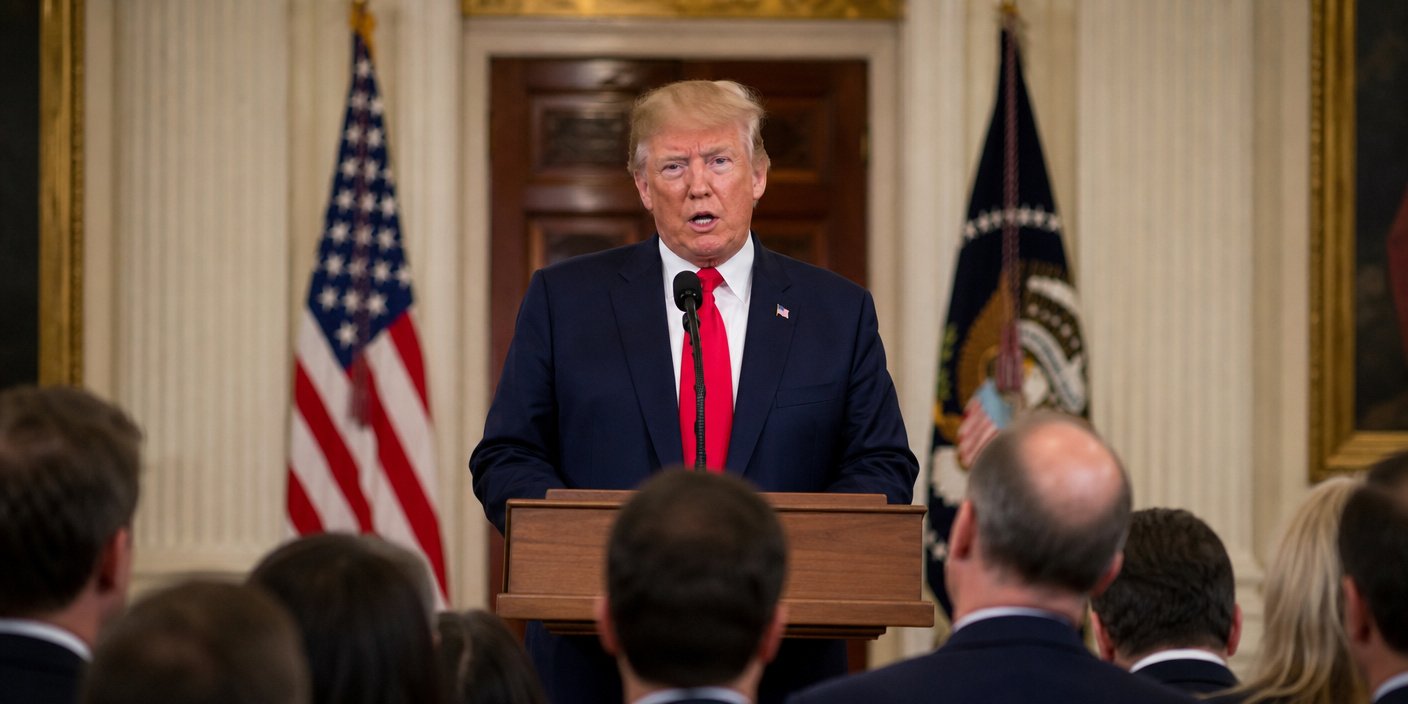
- Diplomatic Impasse: President Donald Trump has officially ruled out any immediate diplomatic meetings, asserting that the administration sees no value in engagement until Iran demonstrates a willingness for ‘meaningful talks.’
- Strategic Standoff: Regional tensions are at a multi-year high, with both sides maintaining a posture of readiness, leaving little room for de-escalation in the immediate term.
The Strategic Rationale and Operational Scope
The persistence of this 11-night operation indicates a departure from brief, retaliatory strikes toward a more enduring degradation strategy. By focusing on critical military infrastructure, the United States is signaling a commitment to dismantling the operational backbone of the Islamic Revolutionary Guard Corps (IRGC) regional logistics. Military analysts suggest that the extended duration is intended to systematically clear airspace and neutralize early-warning radar systems, command-and-control bunkers, and logistics hubs that facilitate the movement of advanced munitions.
Targeting the Infrastructure of Deterrence
The tactical precision being displayed in this 11th night of sorties suggests a high degree of intelligence preparation. The target lists are not random; they are surgically selected to minimize collateral exposure while maximizing the economic and functional cost to the Iranian military apparatus. This is not merely an air campaign; it is a campaign of attrition aimed at resetting the regional military balance. The systematic nature of the strikes—hitting night after night—forces a continuous expenditure of defensive resources from the opposing side, effectively draining both the physical arsenal and the psychological confidence of the regional command structure.
The Diplomatic Deep Freeze
While the kinetic activity continues, the diplomatic sphere remains, by the administration’s description, ‘at a standstill.’ The White House has made it clear that the door for negotiation is not closed, but it is locked until specific criteria are met. President Trump’s recent comments underscore a refusal to participate in ‘photo-op’ diplomacy. This hardline stance suggests that the administration requires a fundamental change in behavior from Tehran before the President will consider changing the current military posture. This is a classic ‘peace through strength’ approach: the bombing continues until the adversary finds the cost of non-compliance too high to bear.
Market Volatility and Regional Energy Security
One cannot discuss an 11-night military operation in this theater without addressing the potential for economic shockwaves. The Strait of Hormuz remains a primary concern for global shipping. As the campaign enters its second week, energy markets have begun to price in a ‘risk premium’ on crude oil, reflecting fears of potential retaliation that could disrupt maritime traffic. While supply chains remain currently intact, the sustained nature of the conflict is forcing energy analysts to reconsider the regional security architecture. If the campaign continues, the pressure on global oil prices is likely to increase, creating a secondary front of pressure on Iran that complements the kinetic efforts of the U.S. military.
Historical Parallels of Sustained Aerial Campaigns
Comparing this 11-night campaign to previous interventions provides a window into the potential end-state. Unlike short-duration ‘shock and awe’ campaigns designed for immediate regime collapse, this approach mirrors the slow-burn logic used in counter-terrorism theaters, where the goal is the gradual erosion of the enemy’s ability to wage war. By maintaining this pressure, the U.S. forces the Iranian leadership into a difficult position: continue absorbing the damage to their infrastructure, or pivot to the bargaining table. Historical data on such sustained campaigns suggest that they rarely end until one side runs out of targets, or the geopolitical cost of the status quo becomes unsustainable for the belligerent power.
FAQ: People Also Ask
Q: What is the primary goal of the ongoing U.S. air campaign against Iran?
A: The stated goal is the systematic degradation of critical military infrastructure and regional command-and-control assets to neutralize the threat posed by the Islamic Revolutionary Guard Corps (IRGC).
Q: Are diplomatic negotiations currently taking place?
A: No. Diplomatic efforts are at a total standstill. President Trump has stated he is not interested in meetings until the Iranian leadership is prepared to engage in ‘meaningful talks.’
Q: How does this 11-night campaign affect global oil markets?
A: The extended military operations have contributed to increased volatility in global energy markets, as investors factor in the potential for regional instability and supply chain disruptions, particularly near the Strait of Hormuz.
Q: Why has the campaign lasted for 11 nights?
A: The duration reflects a strategic decision to maintain persistent pressure on the target nation, aiming to exhaust military assets and demonstrate a lack of tolerance for status-quo behaviors.