President Donald Trump’s administration has signaled a calibrated pivot in Middle Eastern diplomacy, acknowledging a rare, serious commitment from Tehran in ongoing talks while simultaneously reinforcing the United States’ military readiness. With the phrase ‘locked and loaded’ entering the geopolitical lexicon, the White House simultaneously issued a stern warning to global powers China and Russia, cautioning against providing any material or military support to Iran as tensions in the Persian Gulf remain at a critical precipice. This dual-track strategy highlights a significant evolution in the current administration’s approach to foreign policy, moving between the potential for historic de-escalation and the credible threat of kinetic action.
Key Highlights
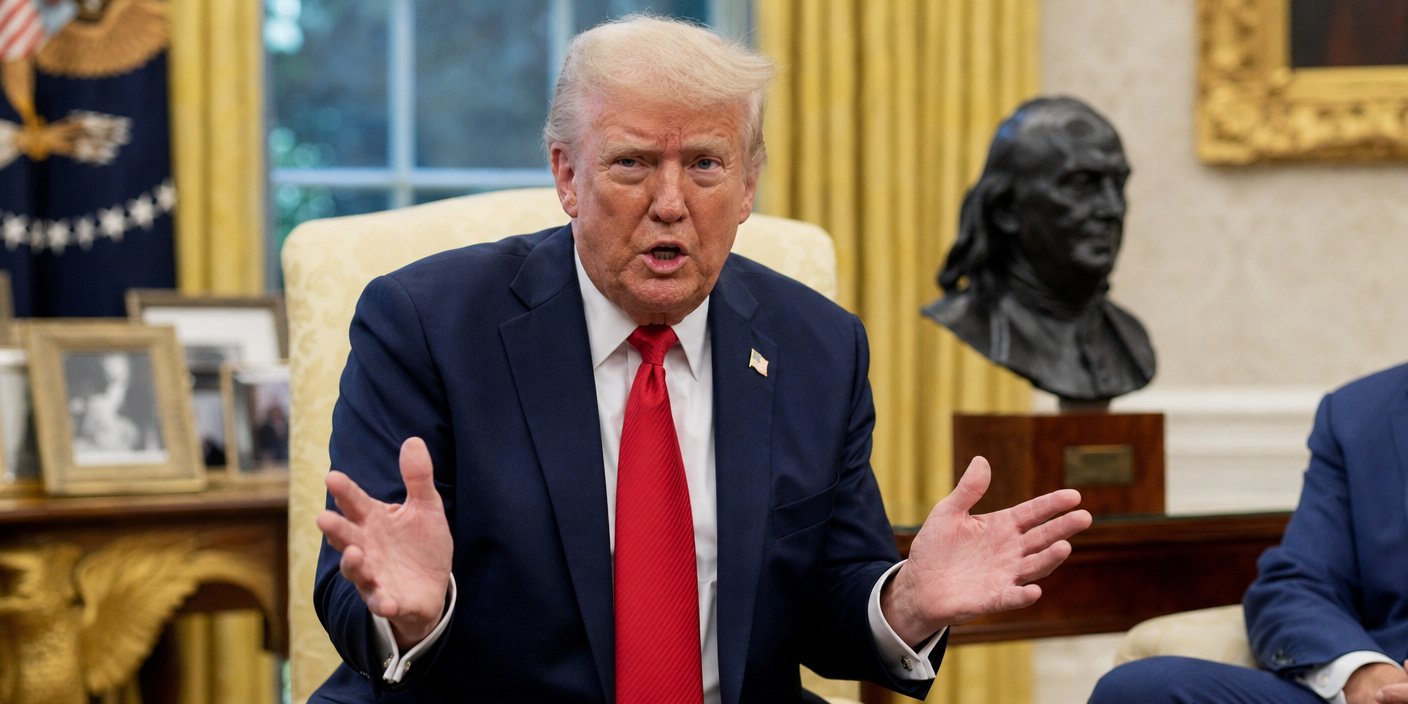
- President Trump has characterized recent Iranian diplomatic overtures as the ‘strongest commitment’ observed to date in ongoing negotiations.
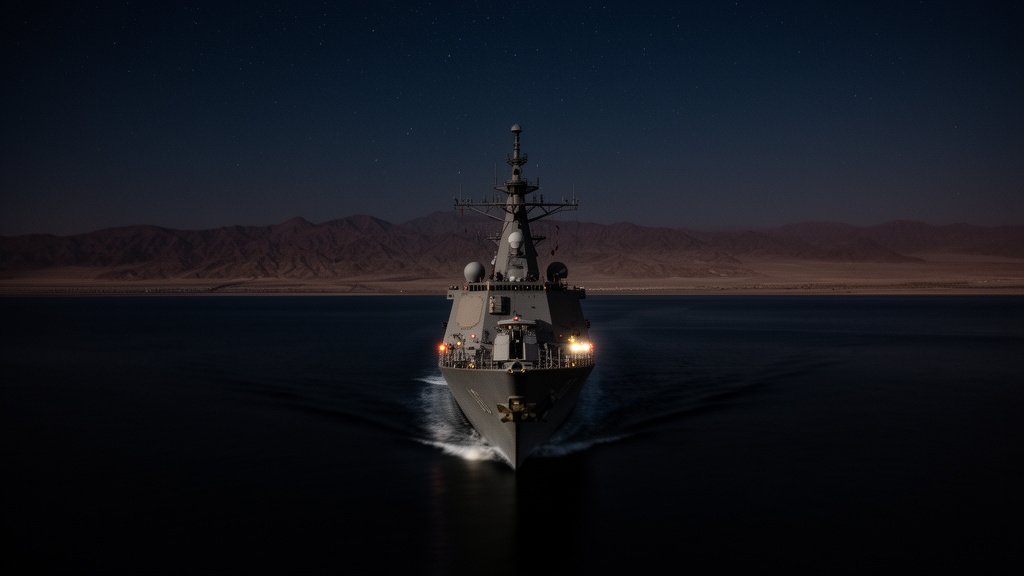
- The administration maintains a strictly ‘locked and loaded’ military posture, emphasizing a dual-track strategy of negotiation supported by overwhelming force.
- A specific diplomatic red line has been drawn for international allies and adversaries, with Trump issuing a direct warning to China and Russia to cease any military or material support to Tehran.
- The strategy marks a shift toward holding external powers accountable for regional destabilization, fundamentally changing the calculus for any nation looking to provide Iran with a diplomatic or economic lifeline.
The Diplomatic Tightrope: Balancing Deterrence and Dialogue
The current geopolitical standoff involving the Islamic Republic of Iran is defined by a paradoxical messaging strategy from the Oval Office. President Trump’s assertion that Iran is demonstrating its ‘strongest commitment yet’ to negotiations appears to be an attempt to manage expectations while simultaneously creating space for a diplomatic breakthrough. This rhetoric serves two primary purposes: acknowledging that the ‘maximum pressure’ campaign—consisting of stringent economic sanctions and diplomatic isolation—has forced Tehran to reconsider its regional stance, and signaling to domestic and international audiences that the United States is operating from a position of strength.
However, this diplomatic overture is wrapped in the terminology of military readiness. By declaring the United States is ‘locked and loaded,’ the President is engaging in a classic application of coercive diplomacy. This phrase, borrowed from military parlance, indicates that while the United States prefers a negotiated settlement, the military apparatus is prepared for immediate execution of orders. This creates a high-stakes environment where any miscalculation by Iranian proxies or regional actors could trigger an immediate and overwhelming response. It is a strategy designed to prevent ‘strategic ambiguity’—by making the threat of force clear and imminent, the White House aims to deter potential provocations that might otherwise occur during a sensitive negotiation phase.
Strategic Warnings to Global Competitors
Perhaps the most significant element of this announcement is the firm warning issued to the People’s Republic of China and the Russian Federation. By explicitly linking the potential for Iranian cooperation with the actions of these two powers, the United States is signaling that the era of ‘free-pass’ proxy support is over. For Moscow and Beijing, the stakes are rising. Both nations have previously viewed the Iranian market and military relationship as a strategic asset to counter US influence in the Middle East.
Trump’s warning suggests that any further material, financial, or military assistance provided to Tehran could have direct repercussions for their respective economic relationships with the United States. This is a clear attempt to isolate Iran not just regionally, but globally. By pressuring China and Russia, the White House is seeking to collapse the alternative support networks that have allowed Iran to withstand the pressure of sanctions thus far. This maneuver elevates the Iran issue from a regional security concern to a central theater in the broader competition between the United States and its primary global rivals.
The Geopolitical Stakes for the Persian Gulf
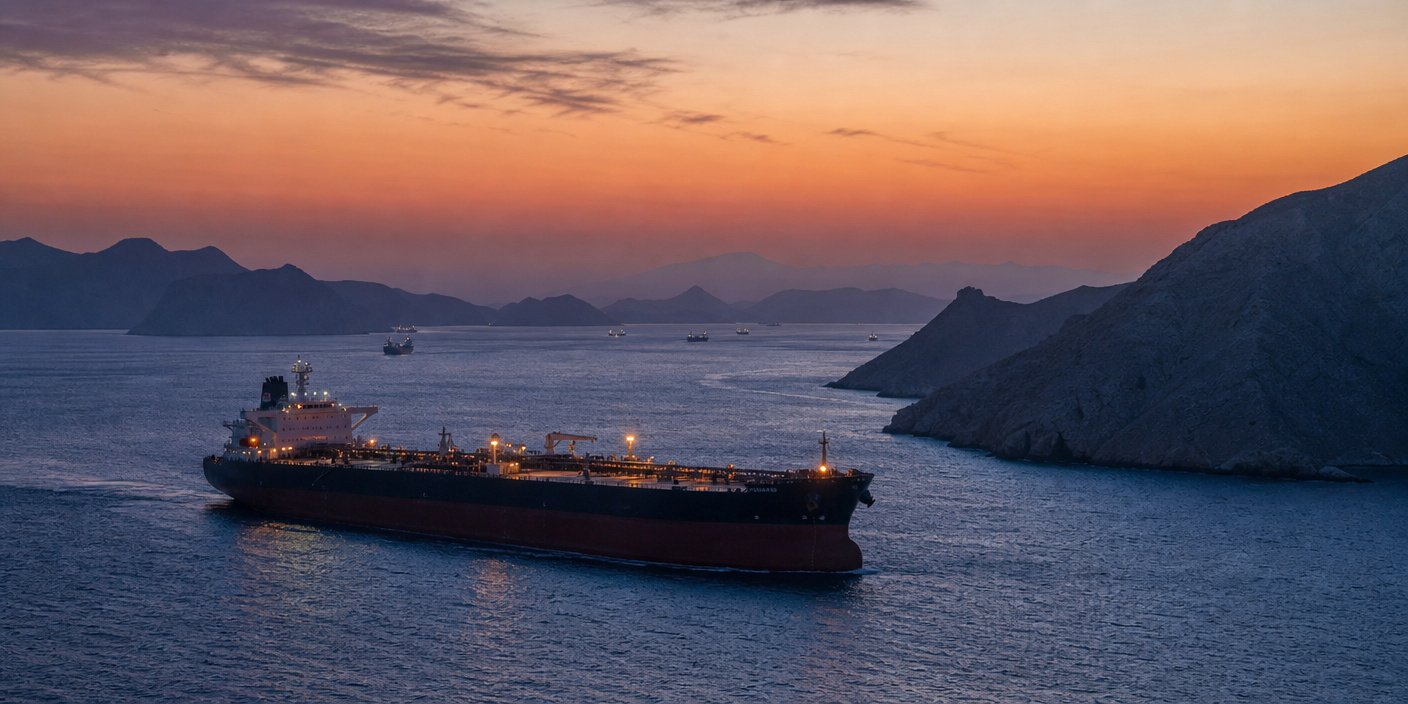
The Persian Gulf remains one of the most volatile regions in the world, and the current ‘locked and loaded’ posture significantly alters the security calculus for regional allies. For the United States, maintaining a credible deterrent is essential for the stability of global energy markets. A significant portion of the world’s oil supply transits through the Strait of Hormuz, and any disruption—whether through military conflict or unconventional warfare—could cause immediate, global economic repercussions.
Analysts have noted that Trump’s approach differs from previous administrations by prioritizing direct, public signaling over traditional, quieter diplomatic channels. This transparency, while potentially unsettling to markets in the short term, is intended to provide a clear set of expectations for all parties involved. Whether this culminates in a historic reduction of tensions or an unforeseen escalation remains the central question of current foreign policy. The interplay between the promise of ‘strong commitment’ from Iran and the reality of US military readiness suggests that both sides are currently testing the limits of this new diplomatic frontier.
FAQ: People Also Ask
Q: What does ‘locked and loaded’ mean in this diplomatic context?
A: In this context, ‘locked and loaded’ is a military colloquialism used by President Trump to indicate that US forces in the region are at peak readiness and prepared to execute military action immediately if necessary, effectively serving as a deterrent against further provocation.
Q: Why is the US targeting China and Russia in its warning regarding Iran?
A: The US is warning China and Russia because these nations have traditionally provided Iran with economic, military, and diplomatic lifelines, which mitigate the effectiveness of US sanctions and isolate the US strategy of maximum pressure.
Q: Is the ‘strongest commitment yet’ from Iran a sign of a nuclear deal revival?
A: While the administration cites this as a significant diplomatic shift, it is not necessarily indicative of a revival of the previous nuclear agreement (JCPOA). It suggests a change in negotiating behavior, but the final outcome remains subject to the volatile conditions of ongoing diplomatic talks.
Q: How does this stance impact global oil prices?
A: The mention of being ‘locked and loaded’ often introduces volatility into energy markets due to fears of conflict in the Persian Gulf, a critical chokepoint for global oil transit. Markets tend to react sensitively to any increase in military rhetoric.