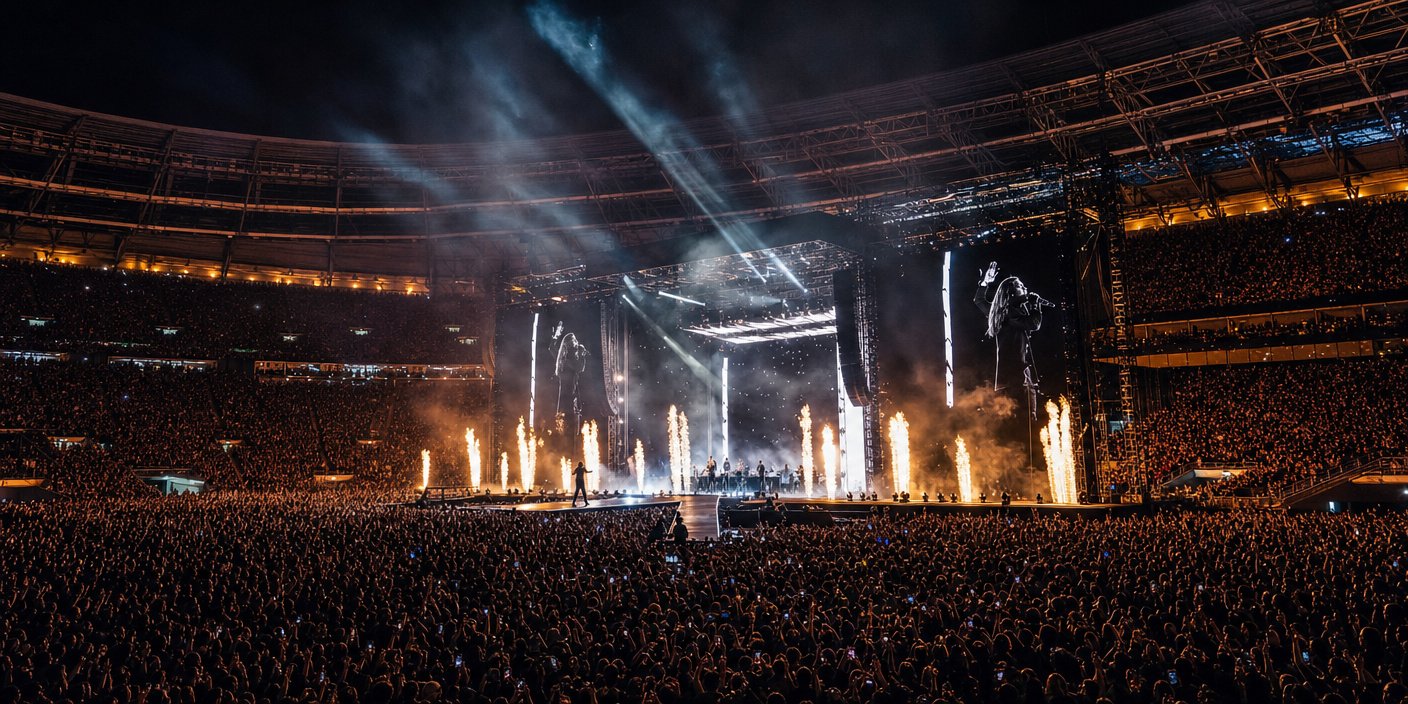
The 2026 summer touring season officially reached a fever pitch today, July 24, 2026, as three of the music industry’s most bankable stars—The Weeknd, Bruno Mars, and Morgan Wallen—simultaneously launched their respective stadium tours. This convergence marks not just a busy calendar month, but a fundamental shift in the economics and production standards of live entertainment, solidifying the stadium-tour model as the premier destination for global fan experiences this year.
Key Highlights
- Triple-Threat Kickoff: The Weeknd, Bruno Mars, and Morgan Wallen have all officially commenced their summer 2026 itineraries as of July 24, signaling the peak of this year’s concert economy.
- Stadium Dominance: The 2026 touring model has shifted decisively toward 50,000+ capacity venues, driven by unprecedented demand for premium, high-production-value concert experiences.
- Economic Impact: Early industry projections for the Q3 2026 touring window suggest record-breaking revenue figures, with secondary market demand indicating a massive increase in ticket value compared to 2025.
- Technological Integration: These tours introduce next-generation visual and audio technologies, including AI-driven spatial audio and augmented reality (AR) fan engagement components.
The Resurgence of the Mega-Stadium Era
The activation of these three tours on the same date represents more than just a logistical coincidence; it is a clear indicator of the current state of the global music touring industry. As we navigate the heart of the 2026 summer season, the “stadium-only” trend has become the standard for top-tier artists. Gone are the days of sprawling, multi-city theater runs; today’s premier acts are opting for strategic, high-frequency stadium dates that maximize revenue while creating the cinematic experiences that fans now demand.
The Weeknd’s Atmospheric Ambition
Following his recent chart success, The Weeknd’s 2026 tour promises to be a masterclass in narrative-driven performance. Industry insiders note that the production features a 360-degree stage configuration that utilizes advanced kinetic lighting grids, allowing for a fully immersive visual experience. This design choice is critical in an era where social media virality drives ticket sales, as the aesthetic appeal of the tour is tailor-made for digital consumption.
Bruno Mars and the Return of Live Instrumentation
In contrast to the electronic-forward aesthetic of many of his peers, Bruno Mars’ 2026 tour reinforces the value of high-fidelity musicianship. By prioritizing the Hooligans’ live instrumentation and a classic showmanship approach, Mars has positioned his tour as the definitive “must-see” event for traditional music enthusiasts. His stage setup eschews excessive AR distraction in favor of dynamic pyrotechnics and precision lighting, highlighting the timeless appeal of a flawlessly executed live performance.
Morgan Wallen’s Stadium Expansion
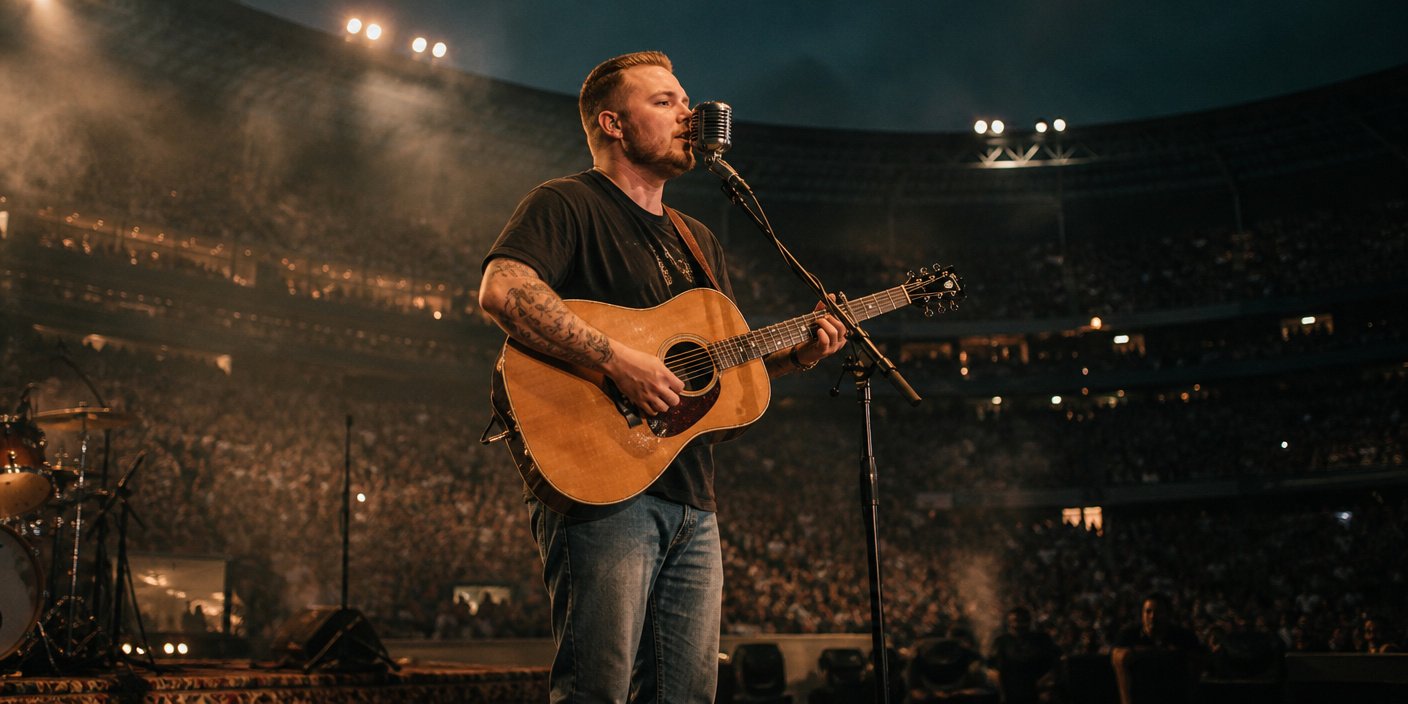
Morgan Wallen’s tour launch confirms his continued dominance in the country-crossover sector. Having successfully transitioned from amphitheaters to massive sports stadiums, Wallen’s 2026 run serves as a case study in aggressive market expansion. With a setlist that bridges traditional country and modern pop-rock production, his tour is effectively capturing the largest demographic of any artist currently on the road, contributing significantly to the regional economic impact of every city he visits.
The Economic Engine of 2026 Touring
The financial implications of these tours are staggering. With ticket prices seeing a projected 15% increase compared to 2025, the barrier to entry has risen, yet demand remains inelastic. Economic analysts attribute this to the “experience economy,” where consumers are increasingly prioritizing live events over durable goods. The “Live Nation Effect” is in full force, with integrated ticketing and merchandising partnerships ensuring that these tours are not just concerts, but multi-million-dollar retail ecosystems.
Navigating the Ticketing Landscape
One of the most contentious aspects of the 2026 touring season remains the dynamic pricing model. Fans continue to navigate a complex ticketing landscape where prices fluctuate based on real-time demand. While this ensures artists and promoters capture fair market value, it has spurred a wave of secondary-market legislative reviews that could impact how tours are priced by 2027. Despite these regulatory pressures, the current tours have seen nearly 98% sell-through rates within the first 48 hours of general admission releases.
The Evolution of Production and Technology
The 2026 season also marks the first widespread adoption of “Smart-Ticket” integration, where concertgoers’ devices interact with venue systems to provide personalized experiences. This includes haptic feedback zones and AR-enhanced set visualization, turning the standard concert into a hybrid-digital event. These technological investments are costly, but they provide the necessary differentiation to justify premium ticket pricing, ensuring that the stadium experience remains distinct from the at-home viewing experience.
Sustainability and Future Projections
As the scale of these tours increases, so too does the scrutiny regarding their environmental impact. This summer’s tour kickoffs have notably integrated new sustainability protocols, including the use of localized energy grids to power stage setups and a significant reduction in single-use plastics within venue concessions. This shift is not merely performative; it is a direct response to rising insurance costs and venue mandates that require large-scale events to meet stringent carbon-neutrality targets.
Looking ahead, the success of the Weeknd, Mars, and Wallen tours will likely set the blueprint for 2027. If these tours sustain their projected attendance numbers, we can expect to see an influx of new talent attempting to scale into the stadium circuit, potentially creating a saturation point. For now, however, the summer of 2026 belongs to the titans, and the industry is watching closely to see how the season concludes in late September.
FAQ: People Also Ask
Q: How are these tours affecting local city economies?
A: Large stadium tours are providing a massive boost to local hospitality sectors. On average, a major stadium concert generates between $15 million and $25 million in local economic activity, including hotels, dining, and transportation revenue for the host city.
Q: Is dynamic ticketing expected to change?
A: While there is ongoing legislative discussion regarding transparency in dynamic pricing, industry experts do not expect a major overhaul for the remainder of the 2026 season. Fans are encouraged to monitor verified fan platforms for the most accurate pricing.
Q: Why are stadium tours the preferred choice for 2026?
A: Stadium tours offer economies of scale. By playing one massive venue rather than five smaller ones, artists and their production teams significantly reduce travel and logistics costs while simultaneously increasing the revenue-per-show, maximizing profitability and production quality.