
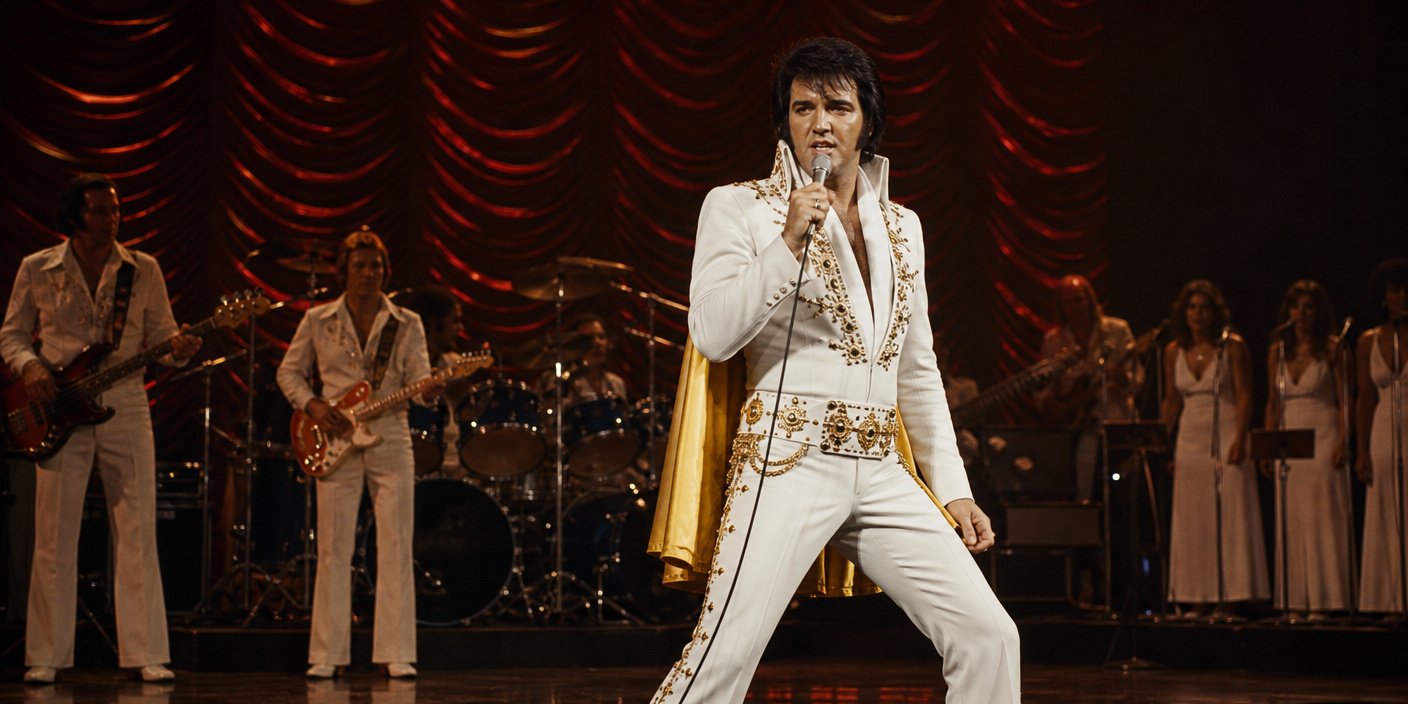
The Westgate Las Vegas Resort & Casino has officially announced a major expansion of its entertainment programming, centered squarely on its most storied inhabitant: the King of Rock and Roll, Elvis Presley. By launching two immersive concert experiences, ‘1969 LIVE! The King Returns’ and ‘1970 LIVE! That’s the Way It Was,’ the resort is looking to reclaim the magic of the very stage where Elvis famously redefined the Las Vegas residency model. These productions, slated to debut on July 31 and October 24, respectively, are not merely tribute shows; they are engineered as historical reenactments designed to transport audiences back to the precise moments when Presley transformed global pop culture.
The Hallowed Ground of the International Theater
To understand the significance of this announcement, one must understand the venue itself. Before it was the Westgate, the property was known as the International Hotel. When the building opened in 1969, it was the largest hotel in the world, and it sought to secure its reputation by signing the biggest star on the planet. Elvis Presley’s residency at the International was a watershed moment in Las Vegas history. It moved the needle from a town of showgirls and lounge acts to a global epicenter of arena-scale musical performance.
Today, the International Theater remains one of the most acoustically and culturally significant venues in Nevada. By positioning these new immersive experiences within these specific walls, the Westgate is leveraging a rare asset: authenticity of place. Unlike generic touring productions that bounce between auditoriums, these shows are rooted in the physical geography of Elvis’s comeback era. The producers of ‘1969 LIVE!’ and ‘1970 LIVE!’ have indicated that the staging, lighting cues, and even the audio engineering are being curated to mirror the original performances, allowing contemporary audiences to experience the specific raw energy that characterized the King’s return to the live stage after his 1968 television special.
Dissecting the Eras: 1969 vs. 1970
The decision to bifurcate the residency into two distinct shows—’1969 LIVE! The King Returns’ and ‘1970 LIVE! That’s the Way It Was’—is a strategic choice that highlights the evolution of Presley’s artistry.
1969 was the year of the comeback. It was raw, hungry, and defiant. Presley had spent years in the Hollywood film machine and was desperate to prove his relevance as a live performer. The 1969 experience promises to capture this jittery, high-octane atmosphere. Audiences can expect a setlist that focuses on the grit and soul of his return to the spotlight, emphasizing the immediacy of his vocal performance and the tight-knit band dynamic that characterized those first post-hiatus shows.
Conversely, 1970 was the year of consolidation and expansion. By the time the ‘That’s the Way It Was’ era hit, Elvis had fully embraced the grandiosity of the Las Vegas stage. The orchestrations were larger, the suits were becoming more ornate, and the confidence of the performer was absolute. By presenting these as two separate entities, the Westgate allows attendees to choose the ‘vibe’ of the Elvis they wish to see—the hungry, kinetic artist of 1969, or the established, world-conquering icon of 1970. This distinction is vital for superfans, as it highlights the transition from a performer testing his legs to a king who had effectively redefined the limits of what a concert could be.
The Future of Immersive Residencies
The rise of ‘immersive’ entertainment is currently the dominant trend in Las Vegas, as seen in projects like the Sphere and various high-tech residency revivals. However, the Westgate’s approach differs by leaning into historical fidelity rather than just digital spectacle. While modern projection mapping and high-definition audio systems will undoubtedly be employed, the core promise of these shows is ‘historical preservation.’
This trend speaks to a broader shift in tourism, where aging Gen X and Boomer demographics, alongside younger enthusiasts of mid-century Americana, are seeking more than just a concert; they are seeking a sensory experience that approximates the past. By using the term ‘immersive,’ the Westgate is signaling that attendees will be surrounded by the aesthetics of the period—from the stage design to the audience interaction style. This creates an environment where the ‘suspension of disbelief’ is significantly easier, turning a casual concert outing into a cultural event.
Economic Impact and Strategic Longevity
From a business perspective, anchoring the Westgate brand to the Elvis legacy is a prudent strategy. The Las Vegas strip has become increasingly competitive, with newer, multi-billion dollar resorts constantly drawing attention away from legacy properties. By doubling down on the International Theater’s primary claim to fame, the Westgate differentiates itself through heritage. It isn’t just selling a show; it is selling access to a piece of American history that cannot be replicated anywhere else.
Furthermore, this move acts as a massive draw for international tourism. Elvis Presley remains one of the few global brands that transcend language and borders. Fans from Europe, Asia, and South America flock to Las Vegas specifically for Elvis-related attractions. By providing high-quality, long-running residency shows, the Westgate ensures a steady stream of dedicated foot traffic, supporting the resort’s casino floor, dining, and hospitality operations long after the house lights dim in the theater.
Conclusion
The debut of ‘1969 LIVE!’ on July 31 and ‘1970 LIVE!’ on October 24 represents more than just a calendar update for the Westgate. It is a calculated effort to institutionalize the Elvis legacy within the resort’s DNA. As Las Vegas continues to modernize and evolve, these two shows provide a grounded, emotionally resonant counterpoint to the city’s high-tech future, proving that the King of Rock and Roll still has plenty of draw in the city he helped build.