Honoring the Legacy: The Freedom Now Festival Returns to West Philadelphia
West Philadelphia is set to transform this Sunday, as the neighborhood hosts the second annual Freedom Now Festival. This vibrant community event is not merely a celebration of music and culture; it serves as a deliberate, historical anchor to one of the most pivotal moments in Philadelphia’s civil rights timeline: Dr. Martin Luther King Jr.’s 1965 rally at 40th and Lancaster. By gathering at the same intersection where the Civil Rights icon once addressed thousands, the festival aims to bridge the gap between historical resistance and modern-day community building.
Historical Context: The 1965 Freedom Now Rally
To understand the significance of this weekend’s festival, one must look back to the political climate of the 1960s. In 1965, Philadelphia was a city at the forefront of social change, and the intersection of 40th and Lancaster served as a vital nerve center for local activists. Dr. King’s appearance was part of a larger national push for equality, emphasizing that the struggle for justice was as urgent in the North as it was in the South. When he stood at 40th and Lancaster, he spoke to a crowd that reflected the diversity and the determination of West Philadelphia.
The rhetoric of the “Freedom Now” movement was about immediate, tangible change. It challenged the city’s political establishment and the status quo of segregation, effectively laying the groundwork for many of the community advocacy programs that exist in Philadelphia today. The festival planners have been intentional in selecting this specific location, ensuring that new generations of residents understand that the ground they walk on is hallowed by the footsteps of historical giants who fought for voting rights, desegregation, and economic opportunity.
The Intersection of History and Modern Commerce
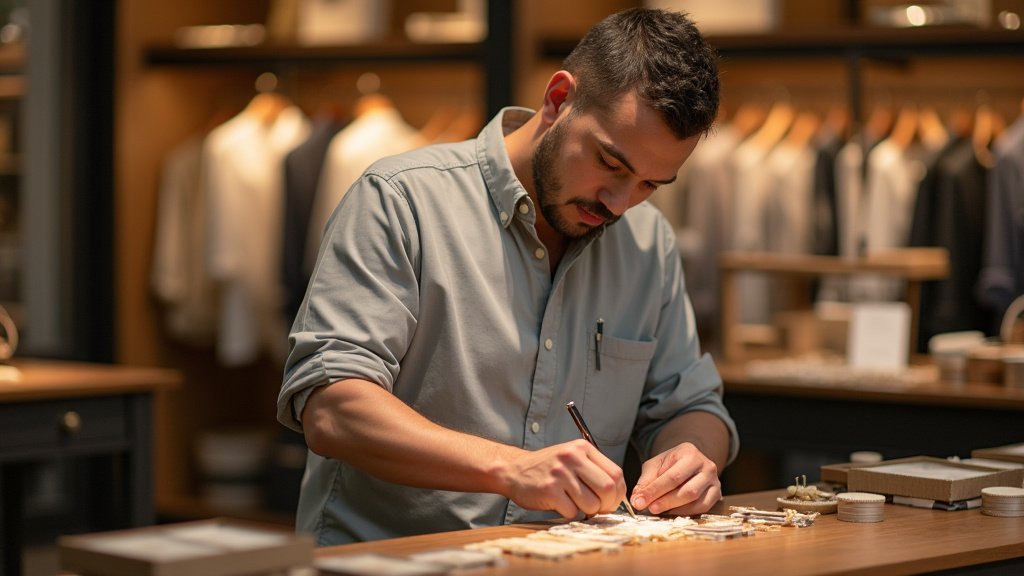
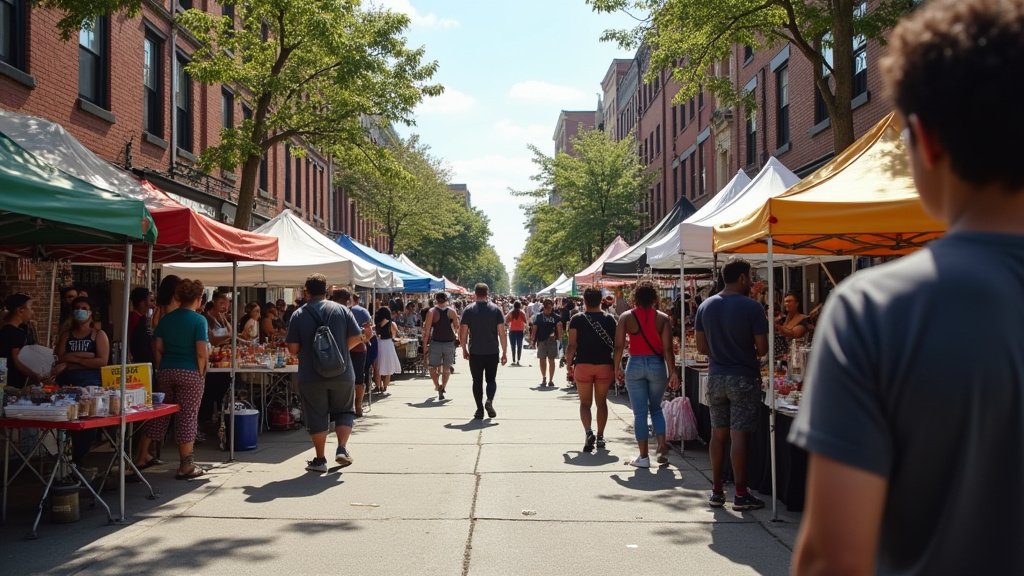
In its second year, the Freedom Now Festival has evolved from a commemorative event into a significant driver for local economic engagement. The modern iteration of the festival prioritizes the “Freedom” aspect by focusing on economic autonomy. By centering local vendors, entrepreneurs, and Black-owned businesses at the festival, the organizers are creating a tangible “Freedom Now” economy. This approach recognizes that civil rights in the 21st century are inextricably linked to financial independence and the circulation of wealth within the local community.
Attendees this Sunday will see more than just entertainment; they will encounter a marketplace of ideas and goods that reflects the resilience of West Philadelphia. The festival provides a platform for small businesses that might otherwise struggle for visibility, giving them access to the foot traffic of a major community gathering. This is an explicit nod to the economic boycotts and “Buy Black” movements that were prevalent during the Civil Rights era, modernized to address today’s challenges of gentrification and corporate consolidation.
Bridging Past and Future: A New Generation of Activism
Perhaps the most compelling aspect of the Freedom Now Festival is its intergenerational appeal. The organizers have made a concerted effort to weave the stories of the 1965 rally into the programming for younger residents. By hosting educational panels, historical photo displays, and interactive exhibits, the event transforms from a street fair into a living museum. The goal is to instill a sense of pride in the local heritage that prevents the erasure of the neighborhood’s radical history.
This is particularly vital in a rapidly changing urban landscape like West Philadelphia. As developers look toward the future, the Freedom Now Festival looks back, asserting that the neighborhood’s identity is not just about real estate values, but about the human spirit and the long fight for dignity. The festival serves as a reminder that the activists of 1965 were not just fighting for their own time; they were fighting for the future—a future that is being lived by the attendees who will crowd 40th and Lancaster this Sunday.
As the neighborhood prepares for the event, the focus remains on the synthesis of reflection and celebration. The festival effectively demonstrates that historical memory is a tool for empowerment. By reclaiming the streets where Dr. King spoke, the residents of West Philadelphia are not just commemorating the past; they are asserting their right to shape the future of their community. The event stands as a testament to the power of local organization and the enduring legacy of the Freedom Now movement.