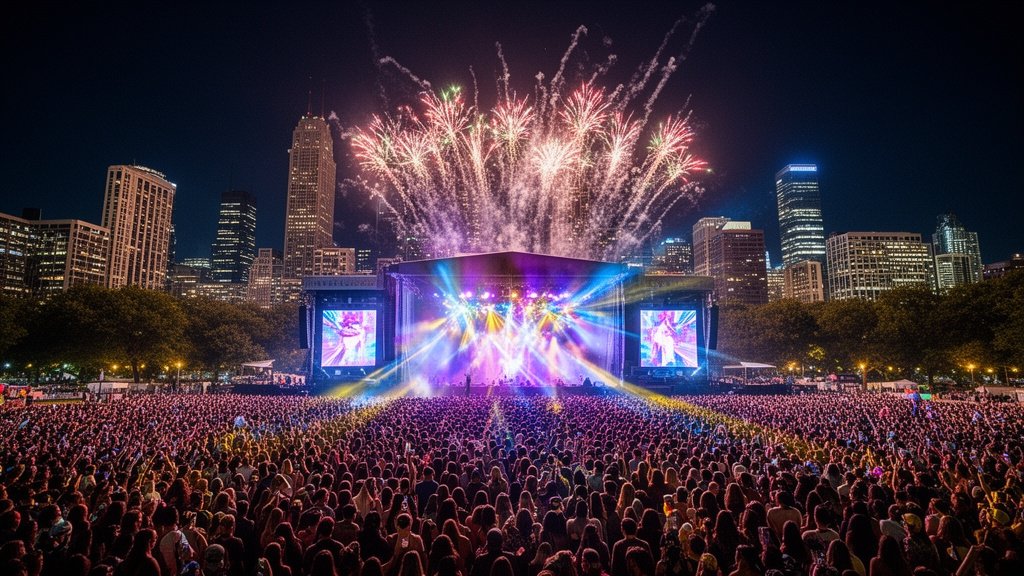
As the final pyrotechnics illuminated the Chicago skyline on Sunday night, Lollapalooza 2026 officially cemented its legacy, wrapping up a monumental four-day run at Grant Park that saw attendance numbers shatter previous internal benchmarks. The festival, which transformed the heart of downtown Chicago into a sprawling sonic metropolis, proved once again why it remains a central pillar of the global live music ecosystem. With a diverse lineup of major American music acts dominating the iconic stages, the event did more than provide entertainment—it delivered a massive infusion of energy and commerce into the city’s urban core.
Key Highlights
- Unprecedented Attendance: Preliminary reports indicate that the 2026 festival experienced record-breaking foot traffic, effectively testing the capacity limits of the sprawling Grant Park venue.
- Economic Surge: Local hospitality and retail sectors reported a significant uptick in activity, with downtown hotels nearing full occupancy throughout the four-day event window.
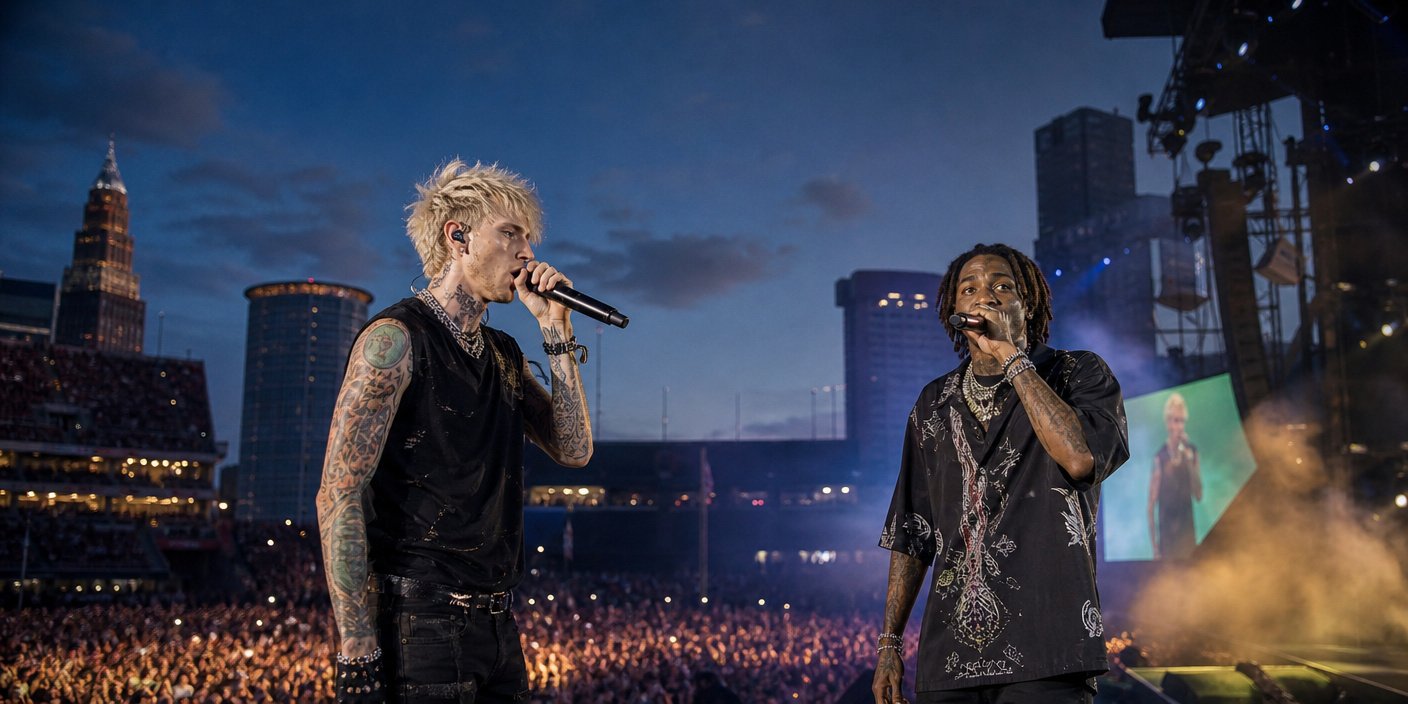
- Top-Tier Headlining Acts: The festival featured a curated roster of major American artists, emphasizing a blend of mainstream dominance and cultural relevance.
- Operational Success: Despite the massive crowd density, logistics and security teams successfully navigated the weekend, maintaining a safe environment for thousands of attendees.
The Anatomy of a Record-Breaking Weekend
The narrative of Lollapalooza 2026 is one of scale and sophistication. Managing a multi-day event of this magnitude in the middle of a major metropolitan hub like Chicago requires a level of logistical synchronization that many other festivals simply cannot replicate. The 2026 edition focused heavily on flow and accessibility, utilizing the vast expanse of Grant Park to distribute high-density crowds across multiple stages, thereby preventing the bottlenecks that have plagued smaller urban festivals.
The Sonic Landscape of 2026
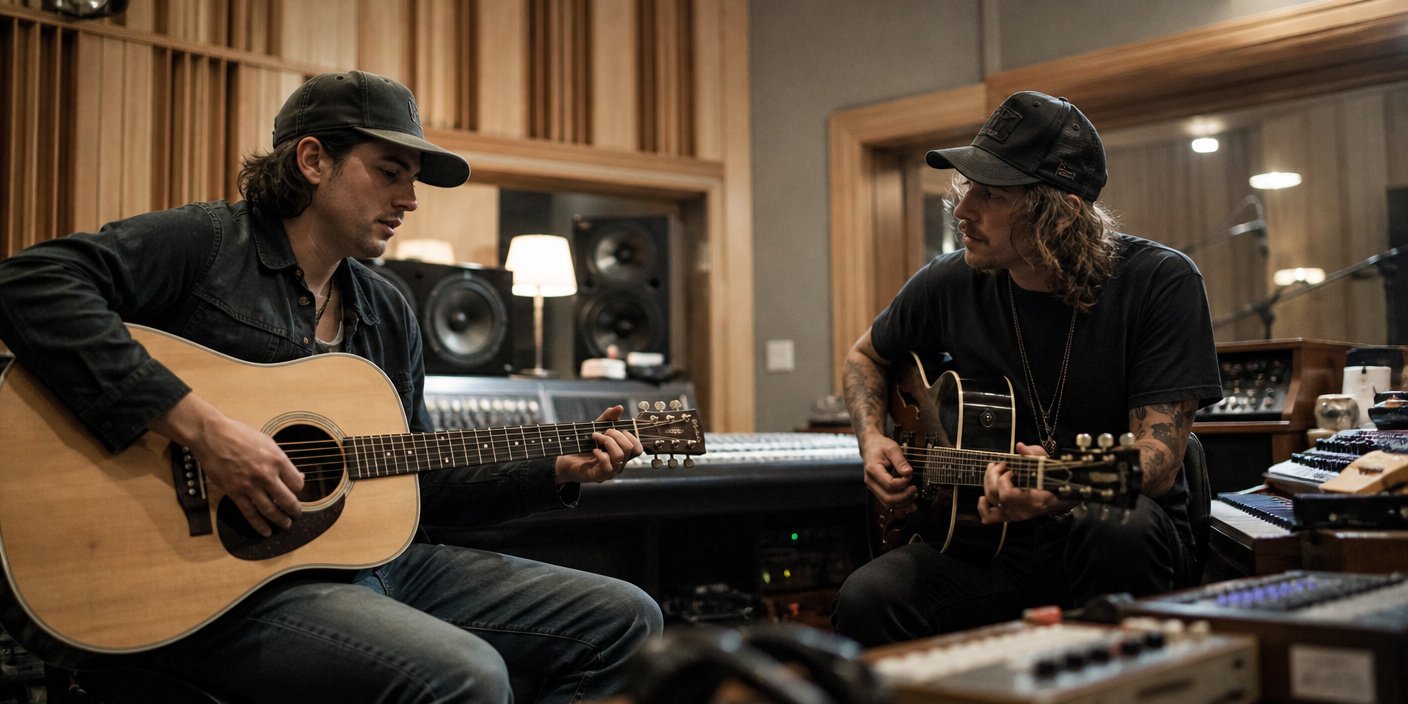
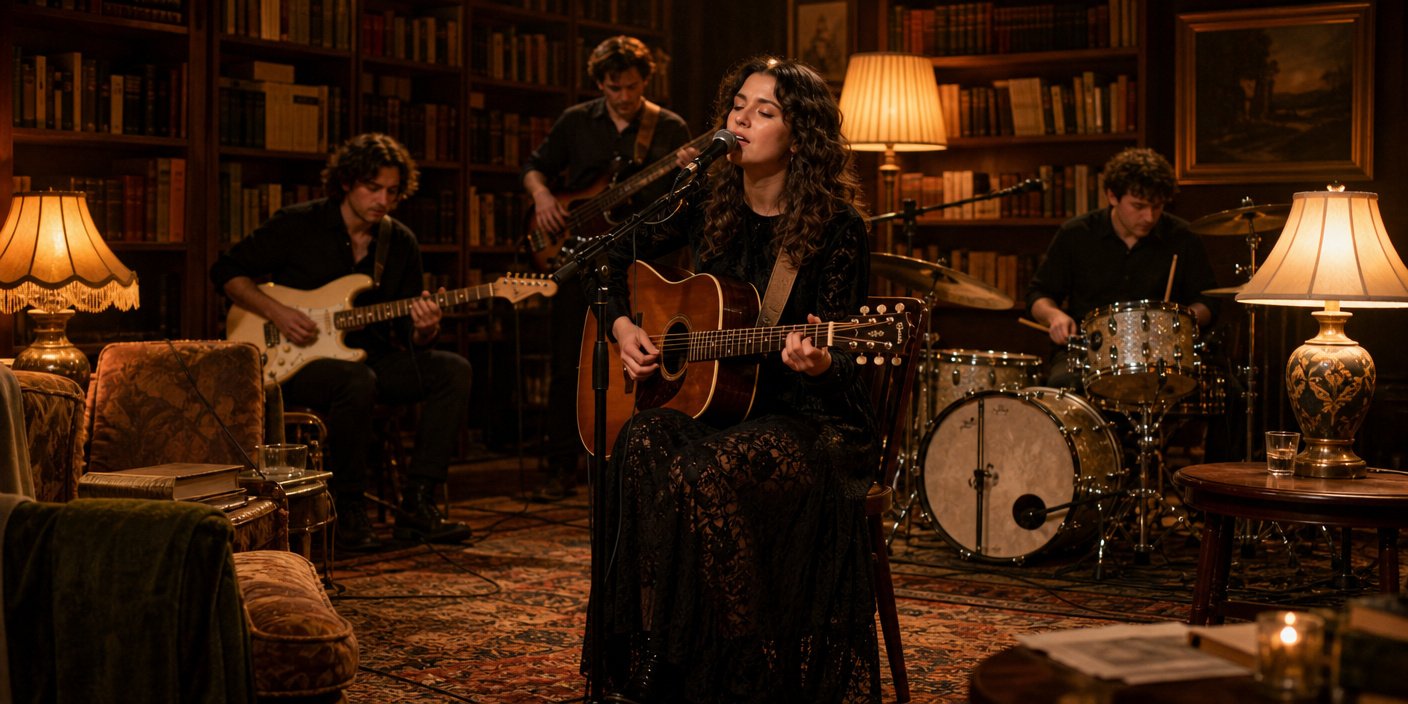
Musically, the festival underscored the current direction of the American mainstream. Organizers moved away from niche programming, instead betting on heavy-hitting American acts that could bridge generational divides. The result was a diverse yet cohesive musical narrative that captured the zeitgeist of 2026. From the high-production spectacle of the main stages to the intimate, experimental showcases in the smaller tents, the festival offered a comprehensive look at the current sound of the nation. It was not just about the volume of the sound systems, but the diversity of the artists represented, proving that ‘mainstream’ in 2026 is a multifaceted, eclectic landscape.
Economic Tides and Urban Impact
Beyond the stages, the economic footprint of Lollapalooza 2026 cannot be overstated. By leveraging data from the Chicago Tourism Bureau and local business alliances, it is clear that the festival acts as an economic multiplier. The influx of visitors from across the United States—and internationally—did not just stay for the music; they engaged with the city’s broader hospitality ecosystem. Restaurants, public transit systems, and retail districts saw sustained high traffic, providing a mid-summer stimulus that downtown Chicago relies upon. The collaboration between C3 Presents and local municipal leaders has clearly matured, transforming a disruptive event into a synchronized logistical triumph.
The Sustainability Frontier
One of the most notable shifts this year was the deepened commitment to sustainable operations. Recognizing the carbon footprint associated with such high-density gatherings, the 2026 event implemented advanced waste diversion strategies and energy-efficient lighting grids. This pivot toward ‘green festivaling’ sets a new standard for live events. By minimizing waste and maximizing energy efficiency, the event organizers are attempting to answer growing criticism regarding the environmental costs of massive music gatherings. The success of these initiatives at Lollapalooza 2026 serves as a blueprint for the future of large-scale event management.
Future Predictions and Evolving Demographics
Looking ahead, the success of the 2026 edition begs the question of scalability. Can the festival continue to grow without sacrificing the quality of the fan experience? The demographics of the crowd are also shifting; we observed a more pronounced presence of Gen Z and younger millennials, indicating that the festival is successfully retaining its core audience while attracting new cohorts of concert-goers. This generational bridge is crucial for long-term viability. As live music continues to compete with digital entertainment, the ‘physicality’ of Lollapalooza—the heat, the sound, the collective experience of the crowd—remains its most potent product.
FAQ: People Also Ask
Q: How does the attendance of Lollapalooza 2026 compare to historical records?
A: While official final figures are subject to audit, early assessments suggest 2026 broke previous attendance peaks for the four-day format, positioning it as one of the most successful years in the festival’s modern history.
Q: What impact did the festival have on local traffic in Chicago?
A: As with any major event in Grant Park, traffic density was high. However, city authorities utilized extensive road closures and public transit incentives to mitigate gridlock, resulting in manageable transit times for non-attendees compared to previous years.
Q: Will the 2026 headliners be touring individually following the festival?
A: Many of the major acts showcased at Lollapalooza often leverage the momentum of the festival to launch or continue broader national tours. Fans are encouraged to check individual artist websites for follow-up dates.
Q: Where can I find information regarding ticket sales for the next edition?
A: Information regarding future festival dates and early-bird ticket releases is typically disseminated through the official Lollapalooza website and authorized vendor channels later in the autumn season.