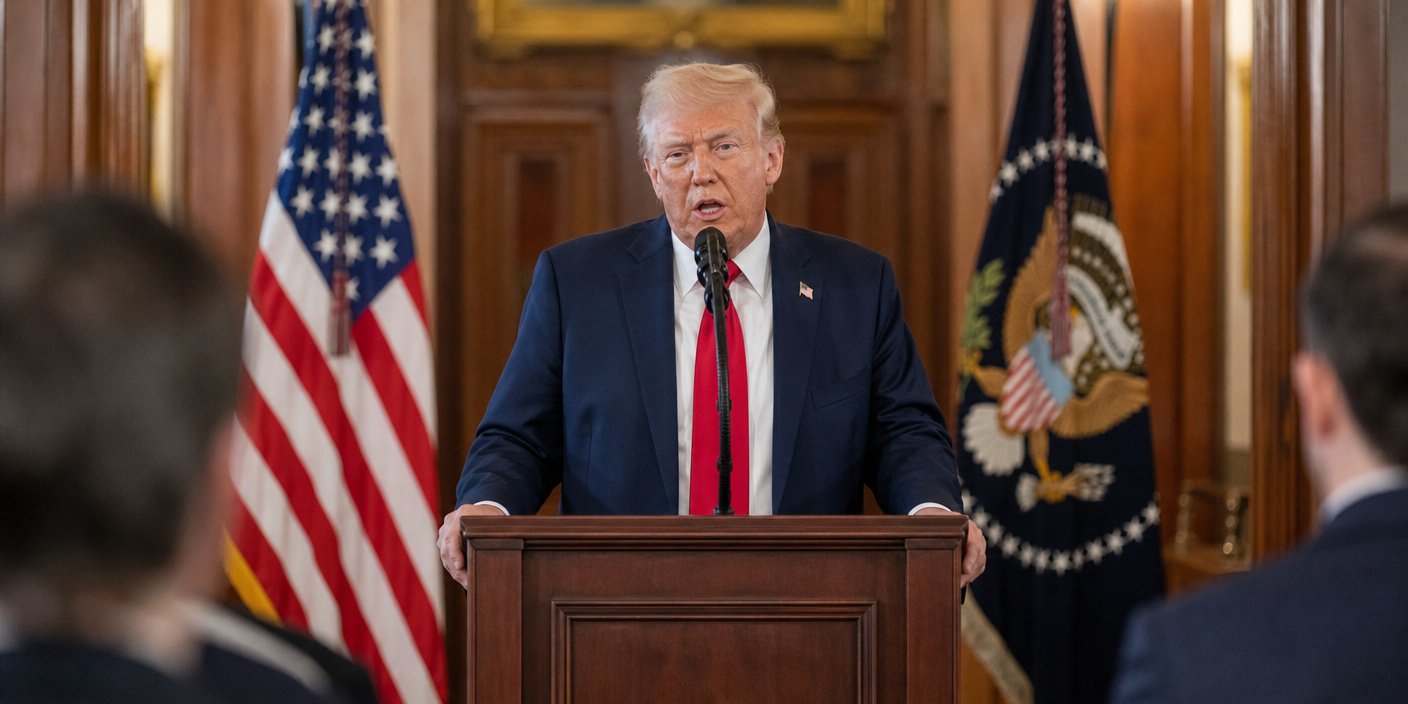
President Donald Trump has officially suspended planned military strikes against Iranian targets, opting instead for a high-stakes diplomatic pivot. The abrupt change in strategy comes as global markets brace for the outcome of negotiations, which are slated to commence Monday afternoon. The administration’s sudden shift from kinetic military action to direct dialogue aims to de-escalate a rapidly intensifying standoff, with three primary objectives: securing the reopening of the Strait of Hormuz, achieving verifiable nuclear disarmament, and stabilizing the volatile Middle Eastern energy sector.
Key Highlights
- Military Stand-Down: President Trump has issued a formal order to halt all planned military strikes against Iran, prioritizing a diplomatic resolution over tactical engagement.
- Strategic Negotiation Timeline: High-level peace talks are scheduled to begin this Monday afternoon, with international observers closely monitoring the venue and participants.
- Core Objectives: The primary goals of the administration are the immediate reopening of the Strait of Hormuz to international shipping, a framework for comprehensive nuclear disarmament, and a sustainable cessation of hostilities.
The Pivot to Diplomacy: Navigating the Strait of Hormuz Crisis
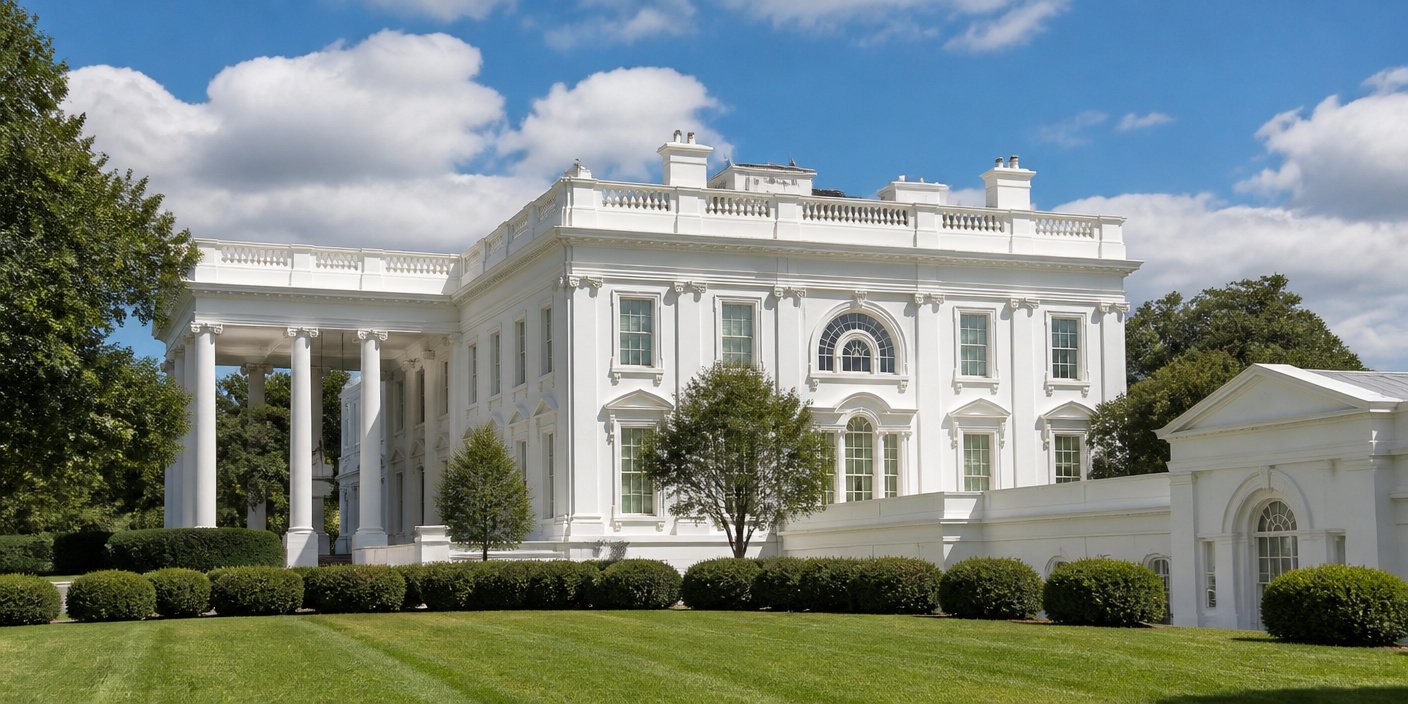
The decision to de-escalate marks a significant inflection point in the geopolitical landscape of the Middle East. By pulling back from the brink of military conflict, the White House has signaled a willingness to explore diplomatic channels that were previously viewed as exhausted. This pivot, occurring on August 3, 2026, places the onus on the upcoming Monday negotiations to deliver results that satisfy domestic security requirements and international stability standards.
The Economic Gravity of the Strait of Hormuz
At the heart of the crisis is the Strait of Hormuz, often described as the world’s most critical oil chokepoint. Through this narrow waterway, a significant percentage of the world’s petroleum passes daily, making any disruption—whether by blockade, threat of mine-laying, or direct naval skirmish—an immediate existential threat to global economic health. The closure of these waters would trigger an immediate spike in crude oil prices, potentially leading to inflationary pressures felt across the globe. Negotiators are tasked with establishing a “safety corridor” agreement, which would require rigorous enforcement mechanisms to ensure that the vital flow of energy resources remains uninterrupted regardless of the overarching political disagreements between Washington and Tehran.
The Nuclear Disarmament Dilemma
The second pillar of the upcoming talks centers on nuclear non-proliferation. The administration’s stated goal of “securing Iran’s nuclear disarmament” represents a return to the core contention of the last decade. This is not merely a diplomatic exercise; it involves defining what “verifiable” means in the modern technological context. Satellite imagery, on-site inspections, and real-time sensor networks are expected to be the focal points of these discussions. The challenge lies in creating a framework that allows for Iranian civil energy needs while eliminating the breakout capacity for a weaponized program—a tightrope walk that has frustrated policymakers for years.
Historical Context and Diplomatic Precedents
To understand the gravity of Monday’s talks, one must look at the historical trajectory of U.S.-Iran relations. The shift from a policy of “maximum pressure” to an active diplomatic engagement is a complex maneuver. Historically, these interactions have been fraught with mutual suspicion. Previous attempts at rapprochement often stalled due to domestic political pressure in both capitals. However, the current administration’s approach suggests a desire to utilize the leverage gained during the preceding weeks of high-intensity signaling to force a concrete, measurable agreement rather than a vague declaration of intent. This “transactional diplomacy” approach seeks to exchange specific sanctions relief for tangible, verified milestones in disarmament.
Future Implications: A Regional Stability Framework
Looking beyond the immediate Monday deadline, the outcome of these talks will dictate the security architecture of the Gulf for the remainder of the decade. A successful agreement could usher in a period of relative calm, allowing regional powers to pivot from security-focused budgets to economic development. Conversely, a failure to reach an accord would likely result in a resumption of the “shadow war”—a state of low-level, continuous conflict that drains resources and stifles regional investment. The world watches as negotiators prepare to sit down, knowing that the ink on these agreements will either define a path toward peace or signal the return to a dangerous, high-tension status quo.
FAQ: People Also Ask
Q: What is the significance of the Strait of Hormuz in these negotiations?
A: The Strait of Hormuz is a vital chokepoint for global oil transit. Reopening it is a top priority because a blockade or disruption in this area would have catastrophic effects on global oil prices and supply chains, impacting nearly every economy in the world.
Q: What is the specific goal regarding Iran’s nuclear program?
A: The administration has explicitly stated the goal is “securing Iran’s nuclear disarmament.” This implies the move beyond containment toward a verifiable and total dismantling of weaponization capabilities.
Q: How does the cancellation of strikes impact global markets?
A: The cancellation serves as a de-escalation signal. Markets generally react positively to the avoidance of direct military conflict, as it reduces uncertainty and the risk of a regional war that would disrupt trade and energy production.