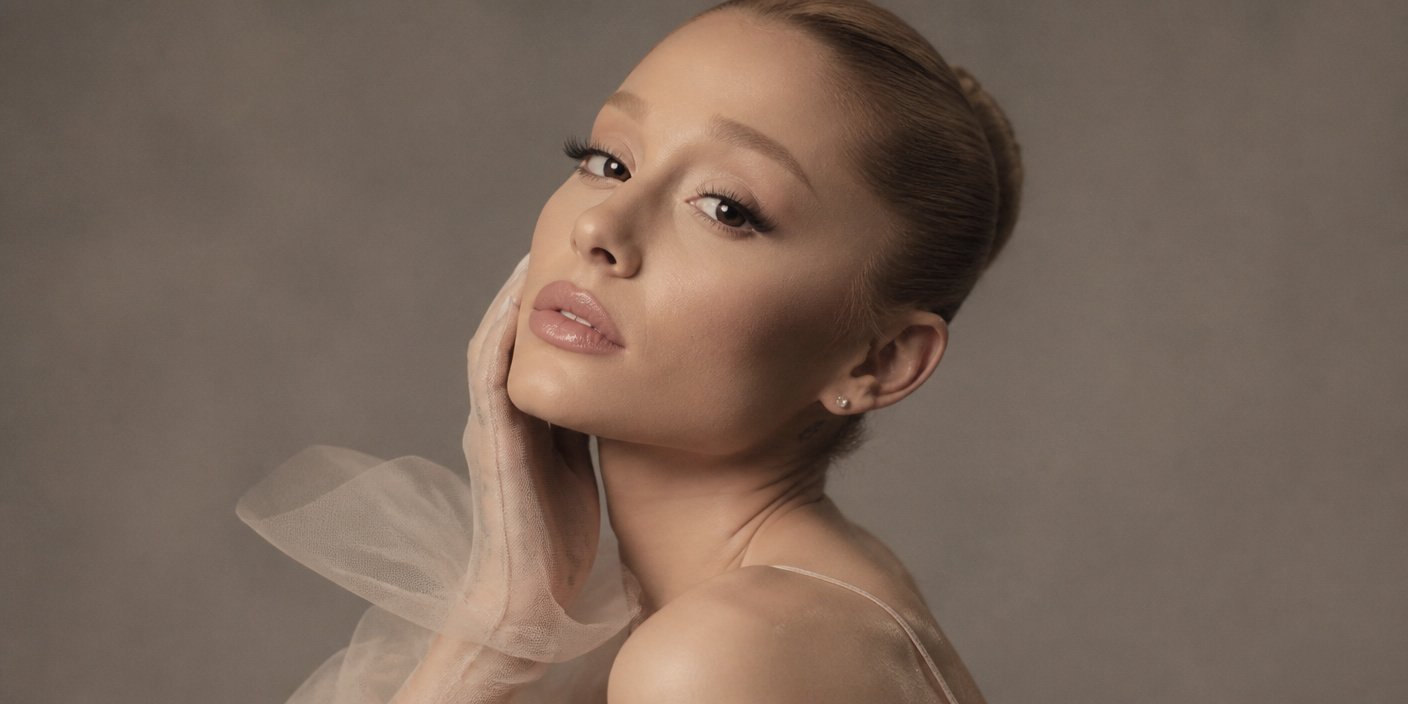
The sudden release of Ariana Grande’s highly anticipated music video for the single “Petal” has triggered a complex and polarized reaction across digital media. While the video has been lauded for its high-production artistic direction and thematic depth, a significant portion of the discourse has shifted away from the music itself, centering instead on the singer’s physical appearance. Fans and casual viewers alike have taken to social media platforms, including X (formerly Twitter) and TikTok, to voice concerns regarding what many describe as a “frail” aesthetic, sparking a renewed national conversation about the intersection of celebrity, body image, and the ethics of public commentary.
Key Highlights
- Release Context: The music video for “Petal” dropped this week, immediately becoming a trending topic across multiple social platforms due to its distinct visual style.
- Fan Discourse: A significant volume of user-generated content focuses on Grande’s slimmer appearance, with thousands of comments debating whether the look is a result of artistic styling or personal health factors.
- Sociological Impact: Digital experts are framing this reaction as a textbook example of modern parasocial interaction, where fans feel a perceived “right” to comment on the health and bodies of public figures.
- Historical Pattern: Industry analysts note that this cycle of scrutiny mirrors previous intense media reactions to other high-profile female pop stars, raising questions about ongoing gendered pressures in the entertainment industry.
The Digital Spectacle of ‘Petal’
The release of the “Petal” video was intended to mark a new sonic and aesthetic chapter for Ariana Grande. Known for her ability to command visual storytelling, Grande utilized a minimalist color palette and ethereal lighting in the production. However, the intent of the director—often aimed at emphasizing vulnerability and grace—has been interpreted by many viewers as an indicator of physical decline.
This phenomenon of “frame-by-frame” analysis is a hallmark of the digital age. Where music videos once existed as cohesive artistic statements, modern consumption patterns have turned them into data sets for speculation. Within hours of the video’s premiere, screen-recorded snippets were being circulated, slowed down, and analyzed to “check” the singer’s health. This obsessive level of observation demonstrates how the barrier between fan engagement and invasive scrutiny has effectively dissolved.
The Anatomy of Parasocial Concern
Psychologists specializing in media studies note that when fans express “worry” about a celebrity’s weight or health, they are often performing an act of parasocial concern. This is the feeling that one “knows” the celebrity personally, leading to a sense of responsibility for their well-being. However, this concern often manifests as public body-shaming. By labeling the singer as “frail” or “unhealthy” in a public forum, fans are, perhaps unintentionally, placing the celebrity’s body under a microscope in a way that would be considered deeply aggressive in an interpersonal setting.
Industry Pressure and Artistic Expression
It is also essential to consider the role of the entertainment industry machine. Pop stars operate under immense pressure to fit specific aesthetic archetypes, which evolve with trends. Whether the look in “Petal” is a byproduct of a specific diet, fitness regimen, or merely the result of strategic lighting and makeup artistry is ultimately speculative. Yet, the public’s insistence on categorizing this look as inherently negative speaks to a broader cultural anxiety regarding the fragility of youth and the relentless demand for perfection in women in the spotlight.
The Cycle of Celebrity Body Image
This current cycle is not unprecedented. From Britney Spears in the early 2000s to modern figures like Grande, there is a recurring tendency for the public to project their own anxieties about health and societal standards onto the bodies of women performers. When a star changes their appearance—whether due to natural aging, lifestyle shifts, or artistic evolution—the public response is rarely neutral. It is frequently weaponized as evidence of either a “glamorous” transformation or a “concerning” decline, leaving little room for the reality that the artist is a complex human being with agency over their own physical form.
As the conversation around “Petal” continues to dominate timelines, it serves as a stark reminder of the disconnect between celebrity-as-product and celebrity-as-person. While the music remains the primary offering, the discourse has undeniably shifted toward a critique of the vessel rather than the art itself, highlighting the evolving and often toxic landscape of digital celebrity culture.
FAQ: People Also Ask
Q: Has Ariana Grande addressed the concerns regarding the ‘Petal’ video?
A: As of this reporting, Ariana Grande and her management team have maintained a professional distance from the speculation, focusing promotional efforts on the commercial success of the single and its streaming numbers.
Q: Why do music videos trigger such intense speculation about health?
A: Music videos are visual mediums that prioritize aesthetics. When an artist deviates from their established “look,” it creates a visual dissonance for the audience, which often leads to immediate, often unfounded, speculation about the artist’s well-being.
Q: How does this impact the music industry’s approach to PR?
A: The music industry is increasingly forced to navigate “negative virality.” PR teams must decide whether to engage with the discourse—thereby validating it—or ignore it, hoping the viral trend burns out quickly without affecting the artist’s brand equity.