
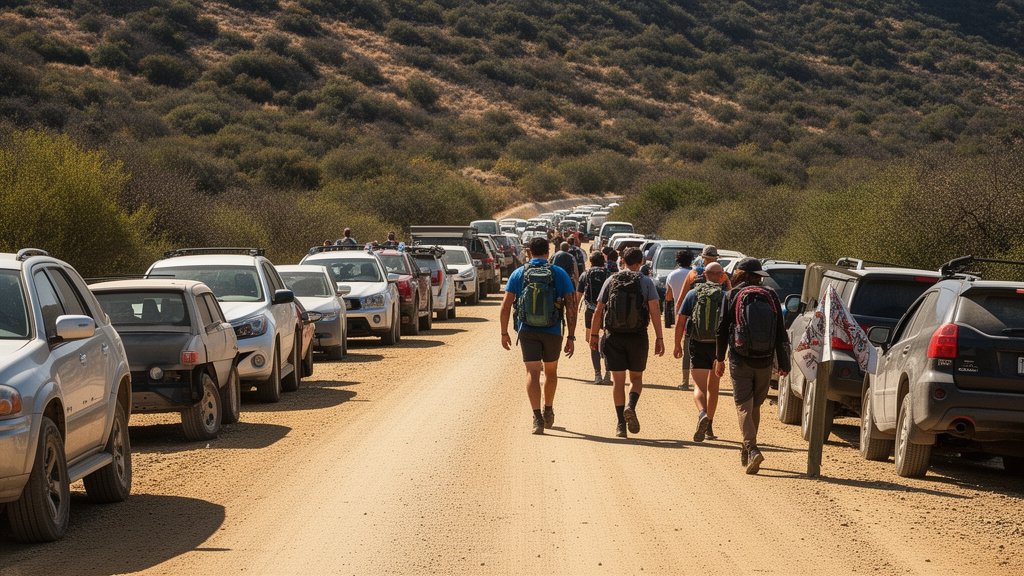
The allure of the Santa Paula Punch Bowls—a series of swimming holes carved into rock in Ventura County—has transformed from a local secret into a viral outdoor phenomenon. Driven by social media algorithms and geotagging on platforms like Instagram and TikTok, the trail has seen an unprecedented influx of visitors, leaving the surrounding community and local infrastructure struggling to cope with the sudden, chaotic spike in tourism. While influencers capture picturesque shots of the canyon’s turquoise waters, the reality on the ground for local residents and emergency services tells a far more complicated story of safety hazards, traffic congestion, and strained community resources.
The Social Media Paradox
The central driver of the current crisis is the rapid dissemination of high-fidelity travel content. In previous decades, the Santa Paula Canyon trail was known primarily to locals, experienced hikers, and students from the nearby Thomas Aquinas College. Today, it is frequently featured on ‘best of’ hiking lists for Southern California, leading to a bottleneck of weekend warriors who are often unprepared for the rugged terrain. This shift in visitor demographics—from experienced trekkers to casual tourists—has fundamentally altered the nature of the canyon. The phenomenon is a textbook example of the ‘Instagram Effect,’ where the quest for the perfect photo often supersedes preparation, environmental stewardship, and safety awareness.
The Anatomy of the Infrastructure Failure
The primary friction point is the trailhead and parking situation. The area surrounding the trailhead was never designed to accommodate hundreds of vehicles per day. As the surge in hikers grew, parking spilled over onto private property, residential streets, and narrow rural roads, effectively creating a gridlock that prevents residents from accessing their homes and, more critically, hinders emergency vehicle access.
In response to the chaos, some enterprising locals have begun ‘cashing in’ on the overflow. Reports indicate that homeowners or nearby landowners have converted patches of dirt and gravel into impromptu, fee-based parking lots. While this provides a necessary service for desperate visitors, it creates a regulatory gray area, sparking debates about zoning, liability, and traffic safety. This privatization of parking highlights the vacuum created by the lack of official infrastructure or managed parking solutions in the Los Padres National Forest and surrounding Ventura County jurisdictions.
A Safety Crisis in the Canyon
The most alarming consequence of the viral surge is the strain placed on the Ventura County Sheriff’s Department and Search and Rescue (SAR) teams. The Punch Bowls trail requires moderate-to-difficult physical fitness, yet it is currently being accessed by large numbers of inexperienced hikers wearing improper footwear or lacking sufficient water. This has led to a noticeable uptick in rescue calls.
Rescue operations are resource-intensive, often requiring the deployment of helicopters and specialized ground teams to recover individuals suffering from heat exhaustion, dehydration, or traumatic injuries sustained from falls on slippery rocks. When these incidents occur, the already-congested access roads often delay the arrival of ambulances and fire trucks. This creates a dangerous ripple effect, where a minor injury for an ill-prepared hiker can result in significant risk for the entire community and drain public safety budgets that are already stretched thin.
Environmental and Community Impact
Beyond the logistical nightmares, the sheer volume of human traffic is degrading the environment. Litter, including plastic bottles, food wrappers, and discarded masks, has become a pervasive issue in the Santa Paula Canyon. The delicate riparian ecosystem, which relies on the specific flow and clarity of the water, is suffering from increased foot traffic, sunscreen runoff, and the disruption of local wildlife.
For residents, the experience is one of loss. The quiet, rural atmosphere that originally drew many to this area of Ventura County has been replaced by the noise, dust, and invasiveness of thousands of transients. This has led to an increase in ‘No Trespassing’ signs, heightened tension between landowners and hikers, and a growing call for authorities to either severely restrict access or implement a reservation system similar to those used at other high-traffic state and national parks. The current status quo, characterized by sporadic enforcement and ad-hoc solutions, appears increasingly untenable as the popularity of the trail continues to outpace the land’s capacity to host visitors.