This week in global fashion, the industry witnessed a trifecta of retail expansion, trend-setting, and high-impact celebrity partnerships that defined the cultural zeitgeist. Copenhagen Fashion Week (CPHFW) SS27 concluded with a renewed focus on radical sustainability, while the Swiss performance powerhouse On solidified its foothold in the Asia-Pacific market with a new landmark in Sydney. Simultaneously, the wellness sector surged as Jisoo, the global K-pop sensation, officially reunited with Alo Yoga, signaling a continued pivot toward athleisure as the new modern luxury uniform. These developments, occurring in rapid succession, highlight a volatile yet vibrant market where heritage tailoring meets athletic performance.
Key Highlights:
- Copenhagen Fashion Week SS27 cemented the “New Nordic” aesthetic, focusing heavily on circular materials and deconstructed tailoring rather than trend-chasing.
- On Running marked its Australian retail expansion with the opening of a high-tech flagship store in Sydney, targeting the city’s rapidly growing athletic-lifestyle demographic.
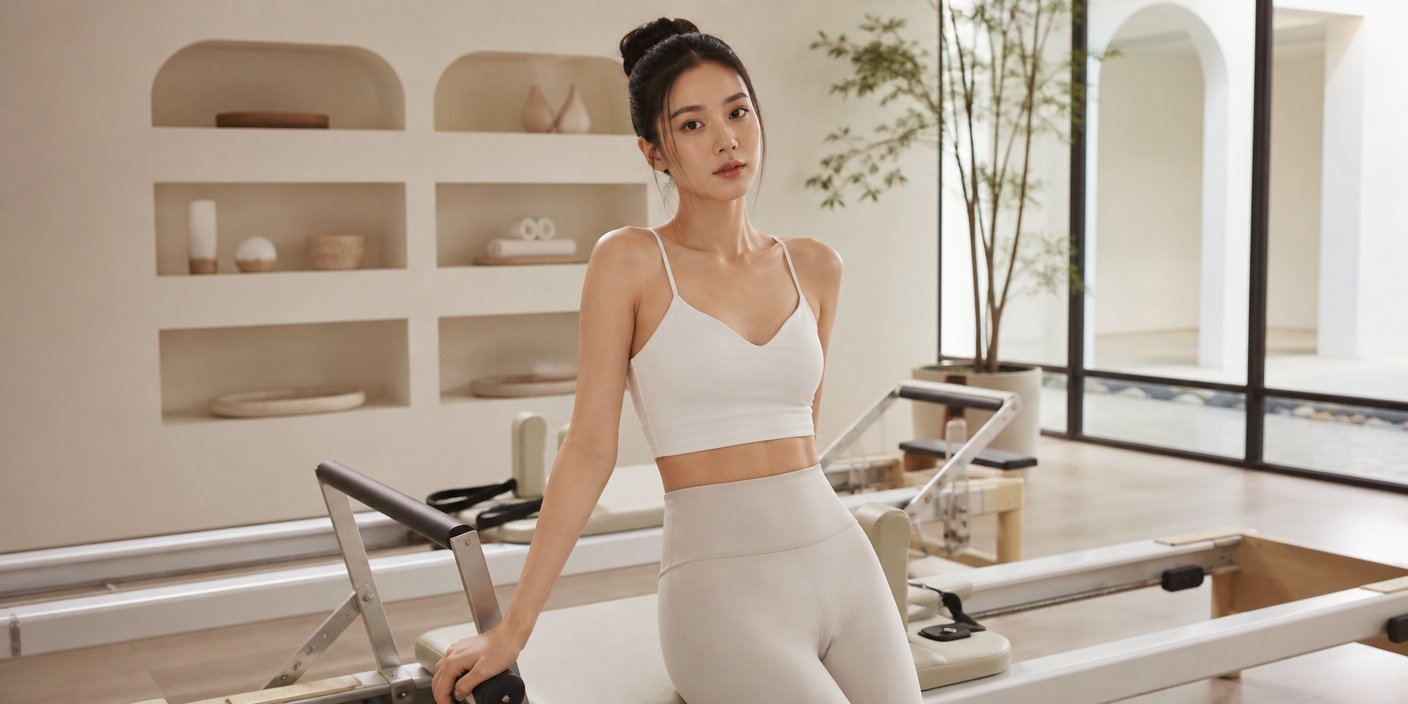
- Jisoo confirmed her return as the face of Alo Yoga, a move that analysts predict will further accelerate the brand’s penetration into the South Korean and wider Asian markets.
The Fashion Landscape Reimagined: From Copenhagen to Sydney
This week serves as a microcosm of the current fashion economy: it is a blend of localized retail strategy, extreme sustainability mandates, and the enduring, untouchable power of global celebrity endorsements. As the industry pivots away from the fast-fashion fatigue of the early 2020s, brands are increasingly looking toward experiential retail and deep cultural alignment to capture consumer attention.
Copenhagen Fashion Week SS27: A Masterclass in Nordic Minimalism
The conclusion of Copenhagen Fashion Week SS27 has arguably set the tone for the coming spring season. Unlike the theatrical excesses often associated with Paris or Milan, CPHFW continues to operate as the world’s most significant laboratory for sustainable design. This season, the “SS27” tag was not just a branding exercise but a commitment to the CPHFW Sustainability Action Plan, which mandates that all participating brands meet specific circularity requirements.
The standout trends from the Copenhagen runways included a move toward “hard-soft” juxtaposition—pairing heavy, industrial textiles with sheer, ethereal fabrics. Designers such as Ganni and Stine Goya showcased collections that emphasized durability, reflecting a broader consumer shift away from disposable apparel toward “investment dressing.” This structural approach to design is expected to influence high-street production cycles through late 2026, forcing retailers to prioritize supply chain transparency over rapid turnaround times.
On Running’s Strategic Sydney Expansion
While Copenhagen focused on the aesthetic and ethical future of design, the business world turned its eyes to Sydney, Australia. The Swiss performance brand On officially planted its flag in the city, marking a pivotal moment in its ongoing expansion into the APAC region. This is not merely about opening a retail door; it is a calculated effort to dominate the “performance-luxe” market in a city where outdoor fitness culture is integrated into the daily urban fabric.
By establishing a physical presence in Sydney, On is executing a “phygital” strategy—blending high-end digital architecture with human-centric, in-store experiences. The Sydney location serves as a community hub, designed not just for sales, but for run clubs and wellness activations. Market analysts view this as a direct challenge to established giants like Nike and Lululemon, utilizing a “community-first” retail model that has already seen massive success in North American metropolitan hubs. The Australian market is uniquely suited for this, with high per-capita spending on high-performance athletic gear.
The Power of Influence: Jisoo and Alo Yoga Reunited
The third major pillar of this week’s fashion news is the strategic reunion between global superstar Jisoo and the wellness brand Alo Yoga. In an era where brand ambassadorships are often fleeting, this partnership is distinct for its endurance and depth. Jisoo’s return to the brand is a masterstroke in marketing, leveraging her immense social capital—boasting millions of followers globally—to elevate Alo from a niche yoga studio brand to a high-fashion lifestyle label.
This reunion highlights a critical secondary angle in modern fashion economics: the “K-pop Effect” on the wellness industry. By anchoring their identity in a figure who embodies both intense discipline and red-carpet glamour, Alo Yoga is successfully blurring the lines between activewear and everyday streetwear. This strategy allows the brand to command a premium price point while maintaining high consumer engagement. It is a textbook example of how modern brands can effectively weaponize celebrity, not just for visibility, but for market positioning as a aspirational lifestyle brand.
FAQ: People Also Ask
Q: What makes Copenhagen Fashion Week SS27 different from previous years?
A: CPHFW SS27 focused heavily on the maturation of its Sustainability Action Plan, moving from voluntary guidelines to strict, verified requirements for brand participation, focusing on circularity and zero-waste production.
Q: Why is On’s Sydney store opening considered a major retail move?
A: The Sydney expansion represents a strategic commitment to the APAC region, specifically targeting the high-growth “performance-luxe” demographic. It prioritizes community-based retail (run clubs, local events) over traditional high-volume floor space.
Q: Does the Jisoo and Alo Yoga reunion imply a shift in brand strategy?
A: Yes, it reinforces Alo’s pivot toward high-fashion lifestyle branding rather than strictly functional athletic wear, using Jisoo’s global influence to appeal to a younger, luxury-conscious demographic.
Q: Are there other regions or brands following the On strategy?
A: Yes, many heritage and performance brands are currently investing in “experiential retail” flagships in key global cities, mirroring the strategy of high-end luxury houses to create physical spaces that serve as brand identity hubs rather than just showrooms.