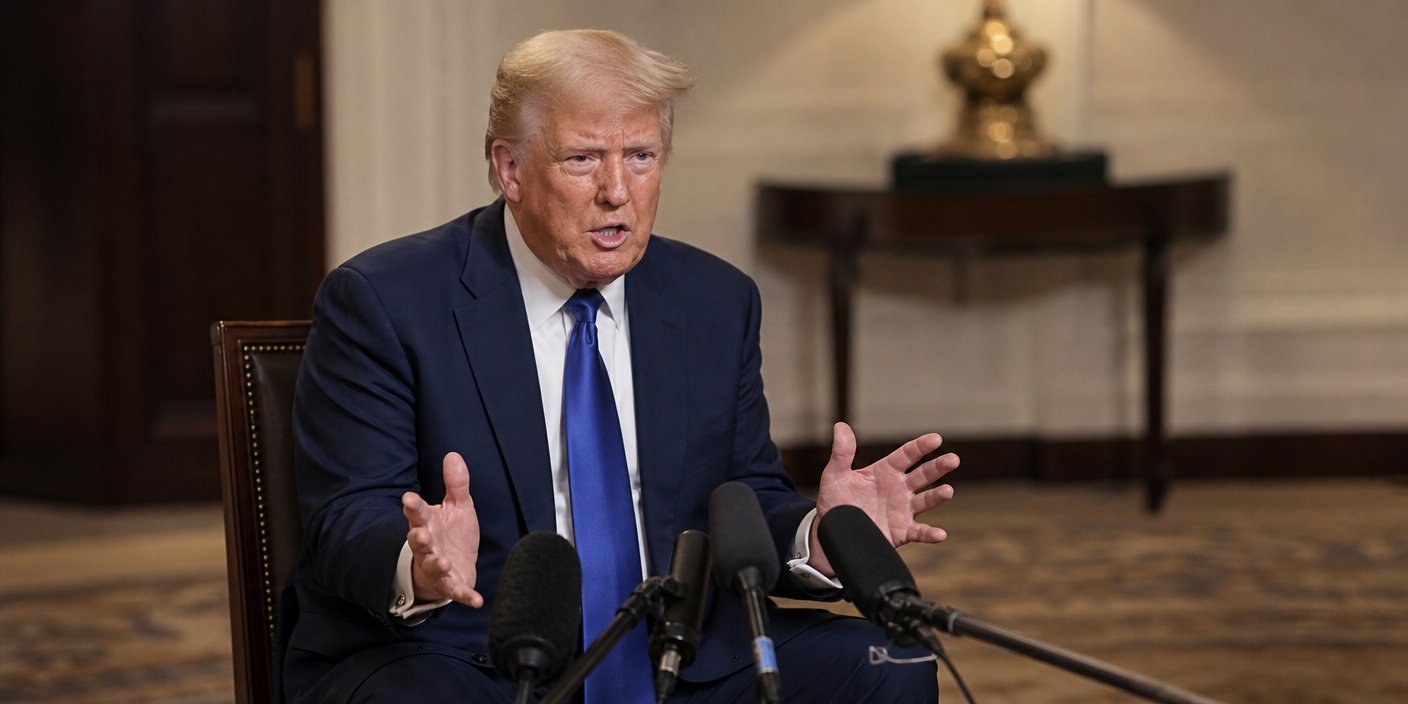
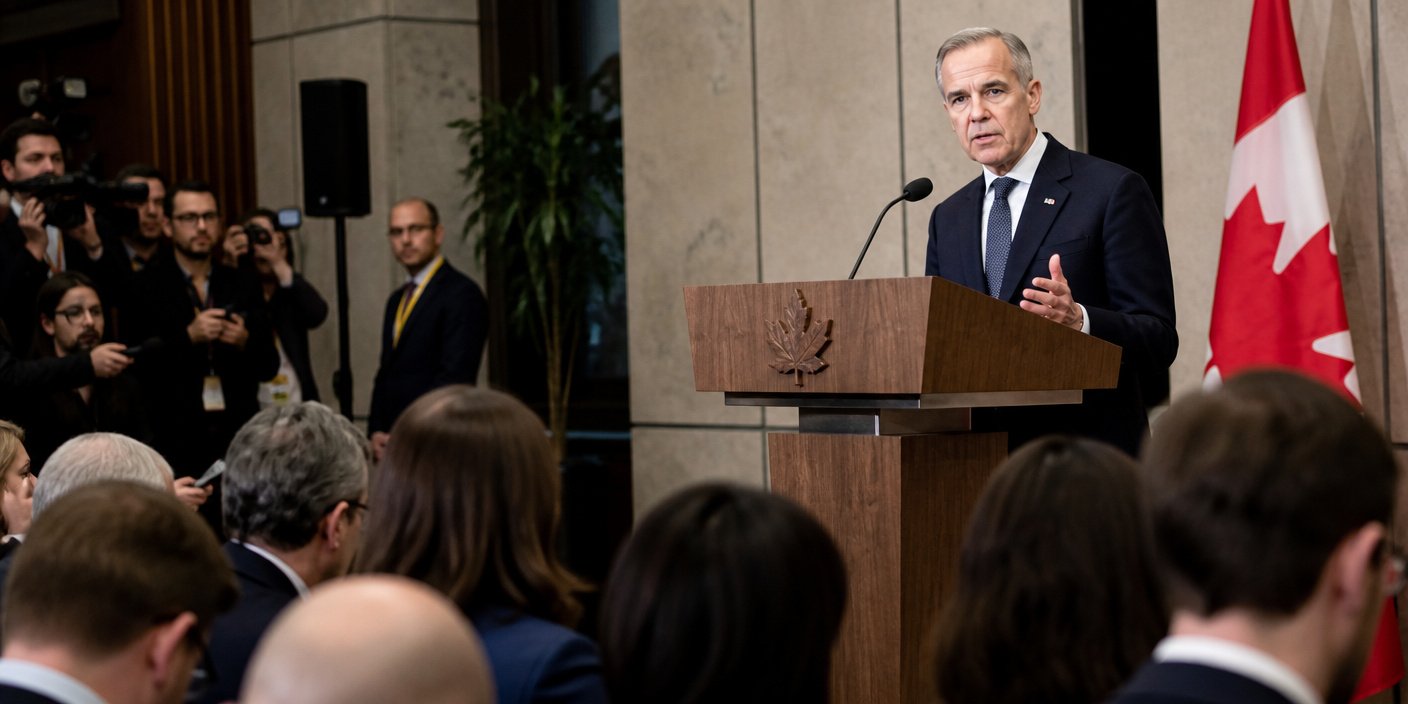
Prime Minister Mark Carney has formally announced that the Canadian government will proceed with a strategic implementation of retaliatory tariffs on United States goods, effective September 8. This policy shift follows the definitive breakdown of high-stakes trade negotiations between Ottawa and Washington. The decision serves as a direct, proportional response to the United States’ recent imposition of a 50% tariff on Canadian imports, a move that the Canadian administration has characterized as an untenable violation of established trade agreements.
The Breakdown of Diplomatic Channels
The collapse of the latest round of trade negotiations marks a significant departure from decades of collaborative economic policy between the two nations. For months, diplomatic envoys have engaged in back-channel discussions, attempting to stave off the current protectionist surge. However, the introduction of the 50% US tariff—a historic high for trade between the two neighbors—acted as the catalyst for the current impasse. Prime Minister Carney, in a statement released earlier today, emphasized that Canada’s commitment to free trade remains steadfast, yet the country cannot remain passive while its domestic industries face unprecedented levies.
Economic Repercussions and Industrial Integration
The integration of the Canadian and American economies is perhaps the most complex variable in this unfolding dispute. With supply chains deeply intertwined—particularly in the automotive, energy, and raw material sectors—the introduction of retaliatory tariffs threatens to disrupt manufacturing processes that rely on ‘just-in-time’ delivery systems. Canadian Manufacturers & Exporters (CME) have already voiced concerns regarding the potential for massive logistical bottlenecks. Unlike previous trade disputes, which often focused on specific commodities like lumber or steel, this latest escalation targets a broader spectrum of goods, creating uncertainty for retailers and consumers on both sides of the border.
Analyzing the Strategic Response
The choice of September 8 as the effective date provides a narrow window for industries to adjust, but it also signals a hardline stance from the Prime Minister’s office. Analysts suggest that the Canadian government is employing a ‘tit-for-tat’ strategy designed to inflict maximum political and economic pressure on the US administration to return to the negotiating table. By specifically targeting key sectors of the US economy, Ottawa hopes to compel Washington to reconsider the 50% baseline tariff. This creates a high-stakes standoff where the primary leverage is the disruption of the $700 billion-plus annual bilateral trade relationship.
Secondary Angles: Exploring the Fallout
1. The Automotive Supply Chain Crisis: The automotive industry is the most highly integrated sector, with parts frequently crossing the border multiple times before a vehicle is finalized. Retaliatory tariffs here could lead to production halts in Detroit and Windsor simultaneously, highlighting the vulnerability of the integrated North American assembly line.
2. Consumer Price Inflation: While the tariffs are directed at corporate entities, the downstream impact on consumer prices is inevitable. If the US retaliates further, or if Canadian firms pass on the cost of these new tariffs to domestic consumers, households in both nations could face a sharp, sudden increase in the cost of living, particularly in the grocery and electronics sectors.
3. Geopolitical Shifts: This dispute provides an opening for third-party nations to assert themselves in the North American trade sphere. With Canada and the US focused on internal friction, international competitors may look to fill the void, particularly in the energy and agriculture markets, potentially weakening the North American economic bloc’s global leverage.
Future Implications for USMCA Compliance
Legal experts are already debating the compatibility of these tariffs with the United States-Mexico-Canada Agreement (USMCA). While the US administration cites national security interests for its 50% tariff, Canada argues that this move circumvents the dispute resolution mechanisms outlined in the trade pact. The upcoming weeks will likely see an surge in filings at the World Trade Organization (WTO) and the establishment of independent trade panels. However, the speed at which these legal processes move is unlikely to match the immediate impact of the September 8 deadline, leaving the real-world economic consequences to play out in real-time.
FAQ: People Also Ask
Q: When exactly do the new tariffs take effect?
A: The retaliatory tariffs on US goods imposed by Canada are scheduled to become effective on September 8.
Q: What triggered the Canadian response?
A: The response was triggered by the breakdown of trade negotiations and the United States’ imposition of a 50% tariff on Canadian imports, which the Canadian government deemed an unacceptable trade barrier.
Q: Will this affect consumer prices?
A: Economists warn that the tariffs will likely lead to increased costs for goods. As supply chains face higher duties, manufacturers and retailers often pass these costs on to consumers, which may result in higher prices for various US-made products sold in Canada.