In the high-stakes world of blockbuster film scoring, the line between human artistry and technological efficiency is blurring, and composer Lorne Balfe is leading the charge. Known for his work on Mission: Impossible – Fallout, Black Widow, and Gran Turismo, Balfe views technology not as an adversary, but as the ultimate wingman in a rapidly evolving industry. By integrating artificial intelligence and sophisticated digital tools into his workflow, Balfe is proving that the future of orchestral music lies in a seamless, hybrid synergy of tradition and innovation.
Key Highlights
- Hybrid Scoring Evolution: Lorne Balfe emphasizes the shift toward blending traditional orchestral recording with complex digital sound design, a hallmark of the Remote Control Productions style.
- AI as a Creative Catalyst: Rather than replacing composers, Balfe argues that AI serves as a powerful tool for rapid prototyping, sound texture creation, and handling repetitive technical tasks.
- The Turnaround Efficiency: Advanced technology is essential for meeting the condensed post-production timelines of modern franchise filmmaking, allowing for near-instant adjustments to cues.
- Human-Centric Output: Despite the technological backend, Balfe asserts that the human ear remains the final, irreplaceable arbiter of emotional impact in a score.
The Technical Backbone of Blockbuster Sound
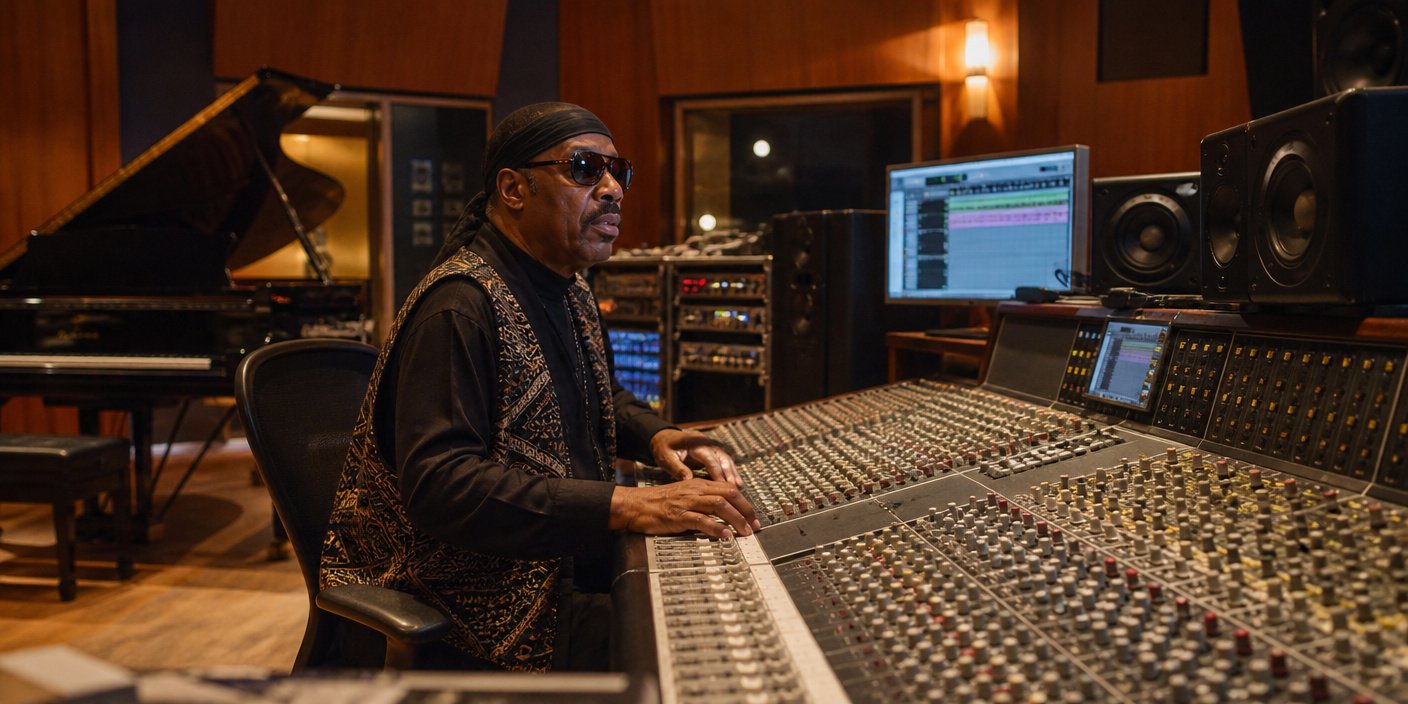
The perception of the film composer has changed drastically in the last two decades. Gone are the days when a writer solely sat at a piano with staff paper, waiting for inspiration. Today, the studio is a command center, a sophisticated ecosystem of hardware and software. Lorne Balfe, a central figure in this transition, has been vocal about how this technical saturation is actually a boon for creativity.
From Pencil to Processor
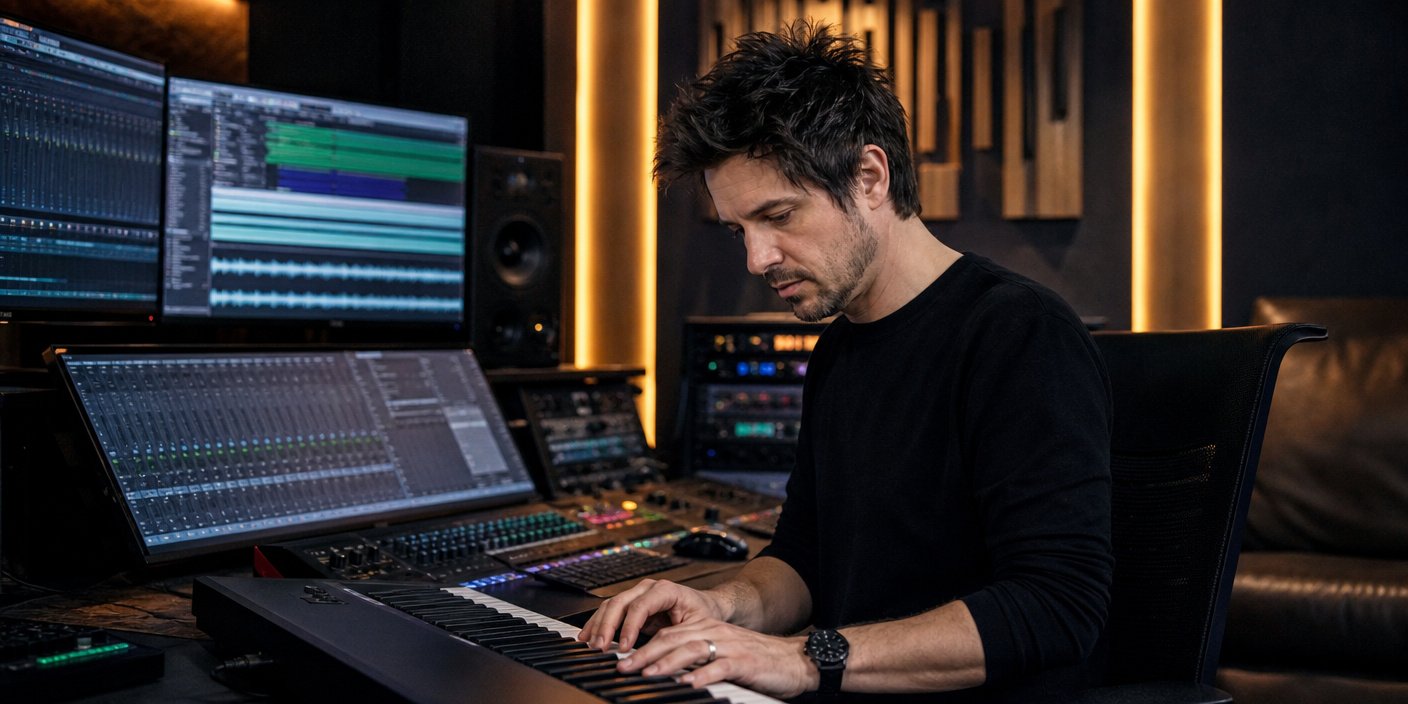
Historically, the process of scoring a film involved a significant lag between composition and realization. One had to write the notes, orchestrate them, and hope the players understood the intent on the first pass. Today, the Digital Audio Workstation (DAW) serves as the modern canvas. For Balfe, tools like Cubase are not just recording devices; they are instruments of exploration. By utilizing massive sample libraries and proprietary software, composers can now ‘demo’ a full orchestral performance that sounds 95% final before a single session musician enters the room.
This evolution changes the relationship between the composer and the director. In the past, the director had to rely on their imagination to understand what a piano sketch would eventually sound like with a full brass section. Now, with Balfe’s sophisticated setups, the director hears a finished soundscape during the temp-track phase. This immediacy allows for a more collaborative, iterative process where the music can evolve alongside the visual edits of the film.
The ‘Wingman’ Logic of AI
One of the most contentious topics in music production is the role of Artificial Intelligence. While some fear that AI will automate creativity, Balfe’s philosophy aligns with a more nuanced, ‘wingman’ approach. AI-driven tools, such as intelligent orchestration assistants and advanced spectral editing software, act as assistants that can handle the heavy lifting of audio cleanup or generating complex synthetic textures that would otherwise take days to program manually.
Balfe’s perspective is grounded in the necessity of speed. When working on a project like Mission: Impossible, where the action is fast-paced and the cuts are rapid, the music must match the intensity frame-by-frame. Technology allows Balfe to manipulate time. If a scene edit changes at 2:00 AM, the music can be recalibrated and synced by 8:00 AM, a feat that would be impossible in an analog environment. This technological agility ensures that the music remains a living, breathing component of the film, rather than a static layer added at the end.
Preserving the Human Element
Despite the reliance on digital infrastructure, Balfe remains a staunch advocate for the human element. He emphasizes that technology provides the texture and the speed, but it lacks the nuance of experience. A MIDI-sequenced violin performance, no matter how advanced the library, still requires the ‘soul’ of a composer to understand dynamic pacing, silence, and emotional release. The goal, according to Balfe, is not to use technology to replicate a human orchestra perfectly, but to use it to create something new—something that bridges the gap between the synthetic and the organic.
By leveraging these tools, Balfe is creating a distinct sound profile. He is not merely composing notes; he is sculpting frequencies. This approach has allowed him to define the ‘blockbuster’ sound of the 2020s, characterized by heavy, immersive synth-bass blended with traditional, driving orchestral stabs. It is a sound that demands high-fidelity playback, designed for IMAX theaters where the acoustic room response is as much a part of the score as the instruments themselves.
FAQ: People Also Ask
Q: Does Lorne Balfe believe AI will eventually replace film composers?
A: Balfe suggests that while AI will handle the technical and routine aspects of music production, it cannot replicate the human decision-making process, life experience, or the emotional intuition required to score a narrative effectively. AI is viewed as an augmentation tool, not a replacement.
Q: What is a ‘hybrid’ score?
A: A hybrid score combines traditional acoustic instrumentation (like a live symphony orchestra) with electronic sound design, synthesizers, and manipulated samples. This style is highly popular in modern action films, including many of those scored by Balfe, to create a more intense and contemporary sound.
Q: How do modern composers handle the high pressure of film schedules?
A: Modern composers rely on DAW templates, cloud-based collaboration, and advanced sampling technologies. These tools allow composers to rapidly iterate, share work-in-progress with directors, and make structural changes to complex cues in a matter of hours rather than days.