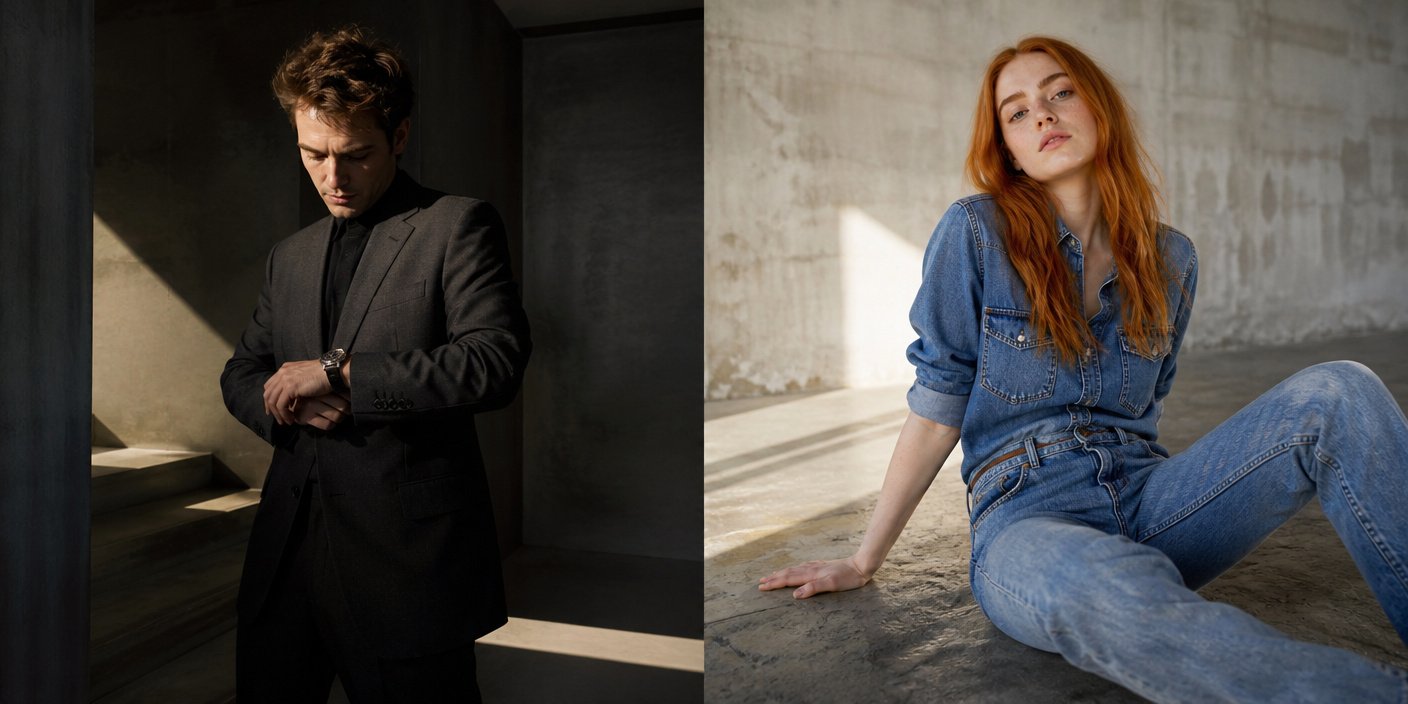
This week, the global luxury and fashion landscape experienced a significant tactical realignment as two of Hollywood’s most compelling figures solidified their places in the high-stakes world of brand partnerships. Robert Pattinson, the star of ‘The Batman’ and a long-time fashion icon, has officially deepened his commitment to Swiss watchmaker Jaeger-LeCoultre. Simultaneously, Sadie Sink, recognized for her nuanced performances and effortless, raw aesthetic, has further cemented her status as the face of Calvin Klein. These aren’t merely random celebrity endorsements; they represent a calculated shift in how heritage brands are attempting to bridge the gap between their storied histories and the hyper-connected, Gen-Z-influenced digital landscape of 2024.
The Horological Turn: Pattinson’s Jaeger-LeCoultre Alliance
Robert Pattinson’s collaboration with Jaeger-LeCoultre marks a pivotal moment for the ‘Maison’ as it seeks to maintain relevance in a competitive watch market currently obsessed with scarcity and secondary market value. The partnership is defined by a deep synergy between Pattinson’s deliberate, career-defining choices and the brand’s emphasis on mechanical precision and ‘Grand Complication’ heritage.
Unlike standard celebrity endorsements that rely on superficial visibility, the Pattinson-Jaeger-LeCoultre dynamic emphasizes the ‘narrative of time.’ Industry analysts suggest that this partnership is specifically engineered to target the ‘quiet luxury’ demographic—consumers who value the engineering prowess of the Reverso or the Master Ultra Thin lines over logo-heavy branding. By aligning with Pattinson, Jaeger-LeCoultre is not just selling a timepiece; it is selling an ethos of deliberate artistry. The marketing collateral associated with this partnership—characterized by sharp, architectural framing and a muted, cinematic color palette—directly echoes the actor’s own public persona: moody, intellectual, and timeless.
Redefining American Classic: Sadie Sink x Calvin Klein
On the other side of the fashion spectrum, Sadie Sink’s continued tenure with Calvin Klein represents the ‘democratization of heritage.’ Calvin Klein, a brand historically synonymous with high-octane 90s glamour and provocative minimalism, has found in Sink the perfect avatar for its modern, ‘raw-authenticity’ pivot.
Sink, who has captured the attention of a younger audience through her work on ‘Stranger Things’ and subsequent indie film projects, brings a grounded, naturalistic energy to the brand’s campaigns. This partnership is a masterclass in demographic capture. By avoiding the overly polished, filtered aesthetic of many high-fashion campaigns, the Calvin Klein imagery featuring Sink leverages a ‘candid’ look that resonates with a consumer base that increasingly distrusts hyper-processed beauty standards. The strategic inclusion of Sink in denim-focused and archival-inspired marketing serves to remind the younger demographic that while the brand is ‘classic,’ it remains the baseline for contemporary cool.
The Architecture of Modern Ambassadorship
The economic implications of these partnerships are substantial. In the current fiscal climate, luxury brands are wary of ‘influencer fatigue’—the consumer’s tendency to tune out when an influencer promotes too many unrelated products. Consequently, brands are opting for long-term, ‘singular-focus’ ambassadors.
For Jaeger-LeCoultre, the goal is prestige elevation; for Calvin Klein, it is relevance retention. Both strategies require the celebrity to act as a creative extension of the brand. This requires a shift from ‘selling’ (where the celebrity holds the product in a sterile studio) to ‘storytelling’ (where the celebrity integrates the product into their own curated public narrative). This change in approach has resulted in a marked increase in social media engagement and brand sentiment analysis for both labels. The data indicates that consumers are more likely to interact with content when the celebrity’s personal brand aligns authentically with the product’s value proposition.
Future Outlook: Where Brand Identity Meets Cultural Capital
Looking toward the remainder of the quarter, the success of these partnerships will likely dictate the spending patterns of other heritage houses. We expect to see a sustained focus on actors and auteurs rather than reality stars or pure social media influencers. The industry is moving toward ‘prestige-scaling’—using talent that brings a sense of gravity and ‘high-art’ credibility to the product. As these campaigns roll out, watch for a saturation of content that prioritizes mood, cinematic depth, and, crucially, a lack of overt ‘sales-talk.’ The future of fashion marketing is not about telling the customer what to buy; it’s about showing them the world they inhabit when they wear it.
FAQ: People Also Ask
Q: What is the primary focus of Robert Pattinson’s partnership with Jaeger-LeCoultre?
A: The partnership focuses on highlighting the intersection of technical horological heritage and modern cinematic artistry. It specifically positions Pattinson as an embodiment of the ‘Maison’s’ commitment to craftsmanship and understated, timeless luxury.
Q: How does Sadie Sink’s Calvin Klein campaign differentiate itself from competitors?
A: Unlike many fashion campaigns that rely on heavy retouching or hyper-stylized imagery, the Sink campaigns utilize a ‘raw authenticity’ approach. This emphasizes natural beauty and candid, documentary-style photography, which appeals heavily to a younger, Gen-Z demographic that values transparency.
Q: Why are heritage brands shifting away from traditional influencers toward actors like Pattinson and Sink?
A: The shift is driven by ‘influencer fatigue.’ Brands are finding that long-term partnerships with recognized actors provide a sense of gravitas and ‘high-art’ credibility that fleeting social media trends cannot offer, thereby protecting the brand’s luxury positioning in a volatile market.