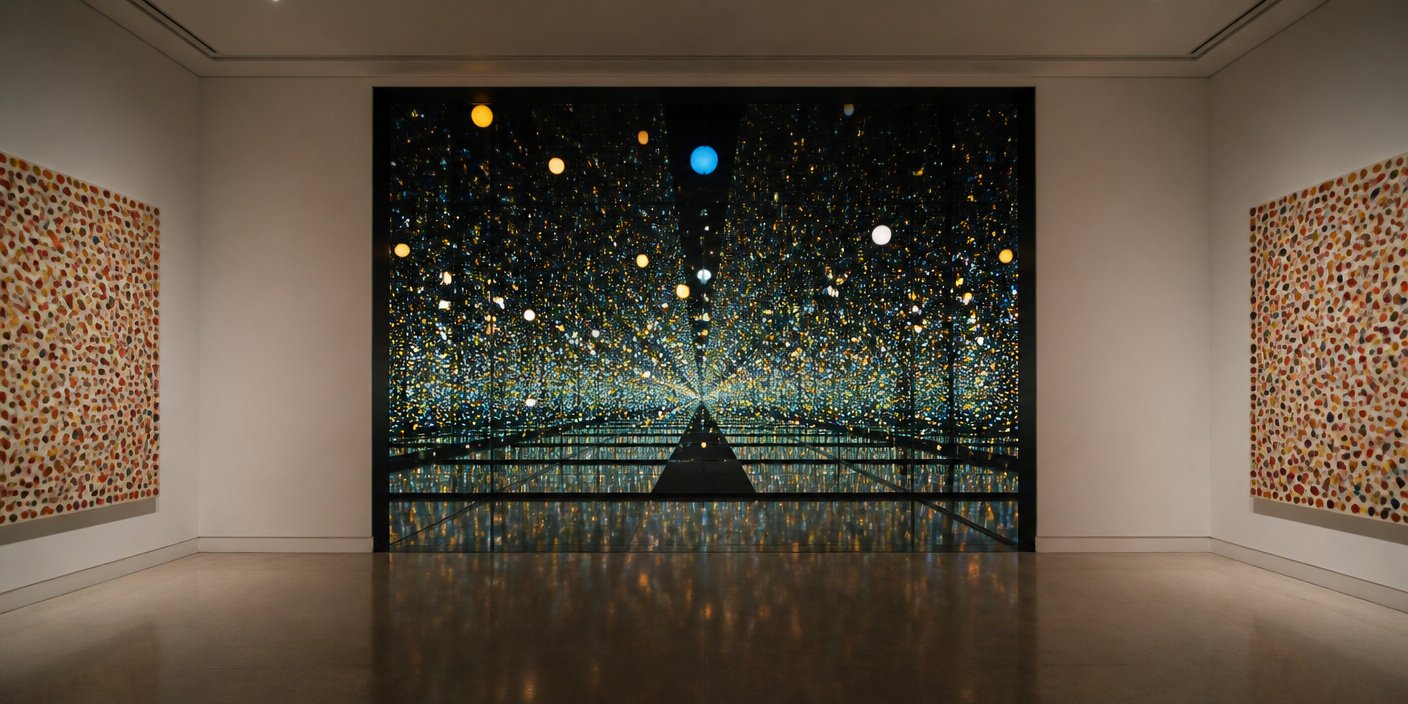
August 2026 has emerged as a watershed moment for consumer engagement, with brands rapidly pivoting toward “newstalgia” and hyper-immersive digital-physical activations to capture the attention of Gen Z and Gen Alpha. Moving beyond traditional advertising, the top 100 trends of this month reveal a market obsession with blurring the lines between the virtual and the tactile, forcing a complete reconfiguration of how retail, food, and fashion operate in a fragmented media landscape.
Key Highlights
- The ‘Phygital’ Surge: 78% of Gen Z consumers now prioritize interactive, tech-integrated pop-ups over traditional retail experiences, driving a 25% increase in foot traffic for brands that utilize augmented reality (AR) in-store.
- The 2010s Newstalgia: The trend cycle has officially accelerated, with the 2010s replacing the Y2K aesthetic, focusing on Tumblr-era minimalism, early influencer-culture fashion, and the return of digital clutter aesthetics.
- Entertainment-First Retail: Cross-industry collaborations—specifically between streaming platforms and luxury retail—account for 40% of viral social media brand mentions this August, signaling the end of the standalone product launch.
The New Vanguard: Decoding August’s Cultural Zeitgeist
As we analyze the current landscape, it becomes clear that we are no longer in a purely digital era, nor a purely analog one. The most successful brands this August are those operating in the “phygital” space. This hybrid reality uses technology not just to sell products, but to curate an atmosphere. Whether it is an apparel brand using localized AR overlays to gamify a physical store, or a food chain launching interactive menu experiences that track nutrition through wearable tech, the consumer has come to expect an experience that feels personalized, responsive, and deeply connected to their digital identity.
The ‘Phygital’ Revolution: Where Tech Meets Touch
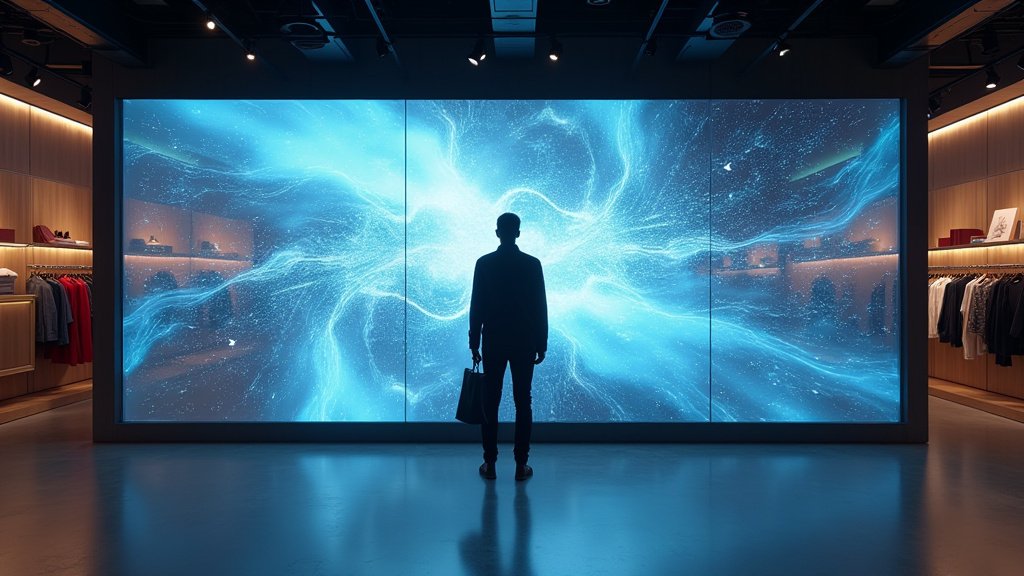
The most pervasive trend of August 2026 is the integration of digital layers into the physical retail environment. We have moved past simple QR codes on tags. Modern retail spaces are now designed as backdrops for social media creation, equipped with studio-grade lighting and, crucially, persistent digital twins of their inventories. When a consumer walks into a high-fashion boutique in New York or Tokyo this month, they are interacting with an AI-driven interface that pulls data from their shopping history, allowing the store to adapt the in-store music and lighting to their preferences. This is a level of customization that was previously impossible, and it is driving engagement metrics to record highs.
The Era of ‘Newstalgia’: 2010s Redux
Cultural cycles have always moved in waves, but the speed at which 2010s “Newstalgia” has taken hold is unprecedented. Driven by Gen Alpha’s fascination with the early internet, brands are aggressively mining this era. We are seeing the return of bold, saturated palettes, the resurgence of specific tech-accessories (like wired headphones and early-model digital cameras), and the re-emergence of the “maximalist influencer” aesthetic. For brands, this means pivoting away from the stark minimalism that defined the 2020-2023 period. Success in August is found in the “glitch” aesthetic—embracing a controlled chaos that mirrors the early social media boom.
Beyond the Transaction: Entertainment-First Retail
Perhaps the most significant shift is the death of the transactional sale. In August 2026, consumers are rarely buying a product for its utility alone; they are buying an entry point into a narrative. This is most evident in the partnerships between global streaming services and mainstream retailers. By gamifying the shopping experience—such as scavenger hunts tied to film releases or limited-edition product drops that can only be unlocked via participation in a branded app—companies are seeing a 60% higher retention rate than their competitors. These collaborations are no longer side projects; they are the core of the marketing strategy.
The Economic Landscape of Engagement
Why this focus on immersion now? Economically, consumers are becoming increasingly selective. With inflationary pressures still lingering, discretionary spending is guarded. Consumers are seeking “value-add” experiences. If they are going to spend money, the purchase must provide entertainment or social currency. Brands that have realized this are thriving. The investment in these high-tech, experiential campaigns is significant, but the ROI is clear: brands that moved early on these trends are seeing a 3x higher conversion rate among the highly elusive 18-25 demographic compared to brands that stuck to traditional display ads.
Secondary Angles: Future Predictions and Long-Term Impact
Looking toward the end of the year, we can predict three major outcomes from these August trends. First, the “phygital” divide will vanish; there will simply be retail. Any brand failing to offer a digital enhancement to their physical space will be viewed as obsolete by the start of 2027. Second, the sustainability angle of the “Newstalgia” trend will force a major shift in supply chain management. If consumers want vintage-look apparel, brands must move toward circularity and upcycling to meet this demand authentically. Finally, the role of the “influencer” will shift from a personality-based model to a community-builder model, as brands seek to foster deeper, more sustained connections rather than one-off viral moments.
FAQ: People Also Ask
Q: Why is August 2026 being called the start of the ‘Newstalgia’ era?
A: Cultural cycles typically span 15-20 years. The aesthetic shift toward 2010s influences reflects the aging of Gen Alpha and the nostalgia of Gen Z, who are now reaching the demographic sweet spot for consumption, effectively replacing the Y2K trend that dominated the previous two years.
Q: What exactly does ‘phygital’ mean in a retail context?
A: It refers to a seamless blend of physical and digital experiences. This includes in-store AR, interactive digital displays that react to consumer proximity, and loyalty programs that exist across both physical brick-and-mortar stores and virtual platforms (like games or metaverses).
Q: Are these trends sustainable for small businesses?
A: While large corporations are leading these trends with massive budgets, the core principle—engagement through storytelling—is scalable. Small businesses are effectively using social media-led storytelling to create “virtual” communities, which often perform better than the high-budget, sterile corporate campaigns.