
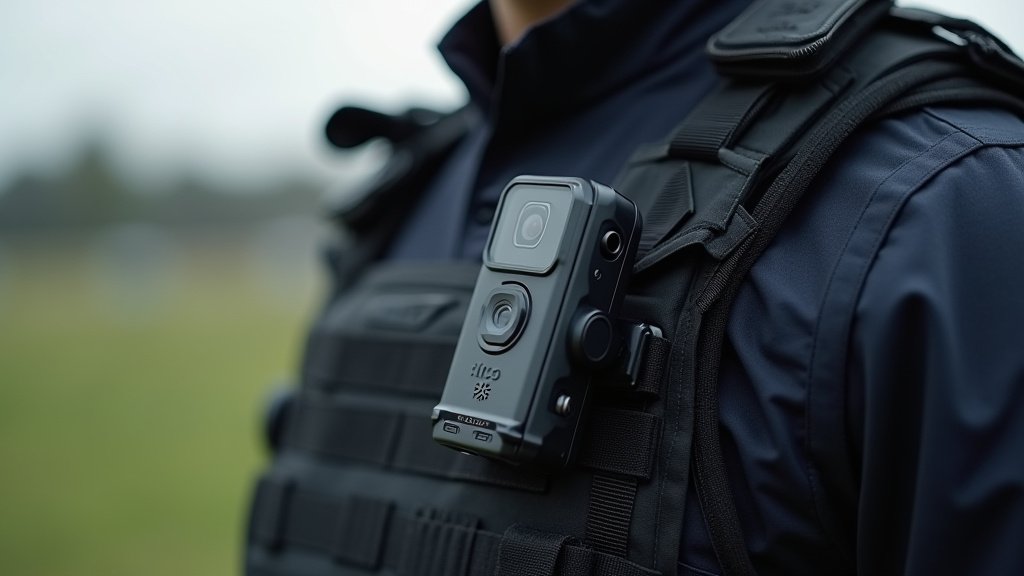
In a decisive move toward increased federal transparency and institutional accountability, U.S. Immigration and Customs Enforcement (ICE) has officially confirmed a comprehensive mandate requiring all field officers to be equipped with body-worn cameras (BWCs) by the close of August 2026. This policy implementation represents one of the most significant technological upgrades in the agency’s history, aiming to provide verifiable, objective documentation of field interactions. The directive aligns with broader federal initiatives across the Department of Homeland Security (DHS) to standardize surveillance and evidence-gathering practices in high-stakes enforcement environments.
Key Highlights
- Firm Deadline: All ICE field personnel are scheduled to have fully operational body-worn camera systems by the end of August 2026.
- Accountability Protocol: The mandate is designed to improve the reliability of evidence collection and foster public trust through objective, recorded documentation of official actions.
- Operational Scaling: This initiative involves a massive logistical rollout, including the procurement of hardware, secure data storage infrastructure, and specialized training for thousands of agents.
- Transparency Mandate: The program serves as a critical component of federal efforts to modernize oversight and ensure adherence to standardized enforcement procedures.
The Architecture of Federal Transparency
The decision to equip the entirety of the ICE field force with body-worn cameras is not merely a hardware upgrade; it is a fundamental shift in how the agency manages liability, evidence, and public interaction. Historically, federal agencies have utilized discretionary recording practices, but the current mandate reflects a hardening of policy—moving from optional to compulsory. By August 2026, the agency expects to have successfully integrated this technology into the daily operational workflow of every field officer.
Strategic Implementation and Logistical Challenges
Achieving full deployment by the August 2026 deadline requires navigating a complex logistical landscape. The primary challenge for ICE is not merely the acquisition of cameras, but the establishment of a secure, agency-wide evidence management system. Every minute of recorded footage must be stored, cataloged, and protected against unauthorized access, requiring significant investment in cloud storage and cybersecurity infrastructure.
Experts in law enforcement technology note that the lifecycle of BWC implementation is typically three-fold: hardware procurement, server-side data integration, and policy compliance training. ICE faces the unique hurdle of operating in a decentralized field environment, where agents are often deployed in remote locations or during unpredictable, high-pressure operations. Consequently, the cameras must be ruggedized, battery-efficient, and capable of high-fidelity recording in varied lighting conditions to ensure that the footage remains admissible as evidence in administrative or legal proceedings.
The Impact on Field Operations
Field officers operate in environments where situational clarity is paramount. The integration of BWCs is anticipated to reduce the frequency of disputes regarding the nature of interactions between officers and the public. By creating an immutable record of events, the agency aims to bolster its position during administrative reviews and legal challenges. This is particularly relevant in the context of detention and removal proceedings, where the accuracy of an officer’s account is often a point of contention.
Furthermore, the implementation provides a layer of protection for the officers themselves. In situations involving allegations of misconduct or excessive force, the footage can serve to exonerate officers when interactions are conducted within established policy guidelines. This creates a dual-benefit system: holding officers accountable while simultaneously shielding them from spurious claims, thereby reinforcing the overall professionalism of the agency.
Data Privacy and Public Trust
The implementation of such a widespread surveillance program inevitably raises questions regarding data privacy and the management of sensitive information. ICE must balance the need for accountability with the rights of individuals encountered during enforcement actions. The agency is expected to institute rigorous protocols regarding when cameras must be activated, how long footage is retained, and who holds the authorization to access these files. This ‘chain of custody’ for digital evidence is arguably the most critical aspect of the rollout; if the integrity of the data is compromised, the utility of the program collapses.
Moreover, the introduction of this tech impacts public perception. By proactively adopting transparency measures, the agency is signaling a move away from opaque enforcement models. However, the success of this initiative will be judged not just on the technical completion by August 2026, but on the day-to-day adherence to recording policies by officers in the field. Trust, in this context, is measured in the reliability and completeness of the digital archive created by the cameras.
FAQ: People Also Ask
1. Why is ICE implementing this mandate now?
This move is part of a broader federal push by the Department of Homeland Security to modernize law enforcement standards. The agency aims to increase transparency, improve evidence quality in legal proceedings, and enhance the overall accountability of field operations.
2. How will the agency handle the massive volume of recorded data?
ICE is investing heavily in secure, scalable cloud storage solutions. The implementation includes strict evidence retention policies, ensuring that footage is categorized and preserved according to legal requirements and agency guidelines to prevent data tampering.
3. Does this mandate apply to all ICE personnel?
The requirement is specific to field officers tasked with enforcement actions. The rollout is being managed in phases to ensure that all relevant personnel are properly trained and equipped by the August 2026 deadline.
4. What happens if an officer forgets to activate the camera?
Strict policy guidelines are being developed regarding the activation of cameras. Failure to comply with these protocols will likely trigger internal review mechanisms to determine if the violation was accidental or willful, which may impact an officer’s standing.