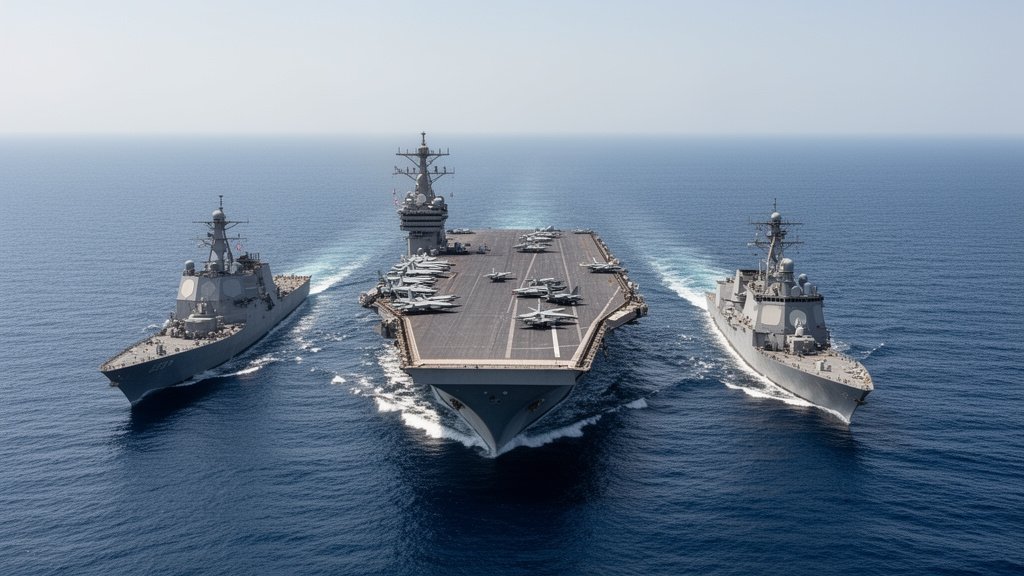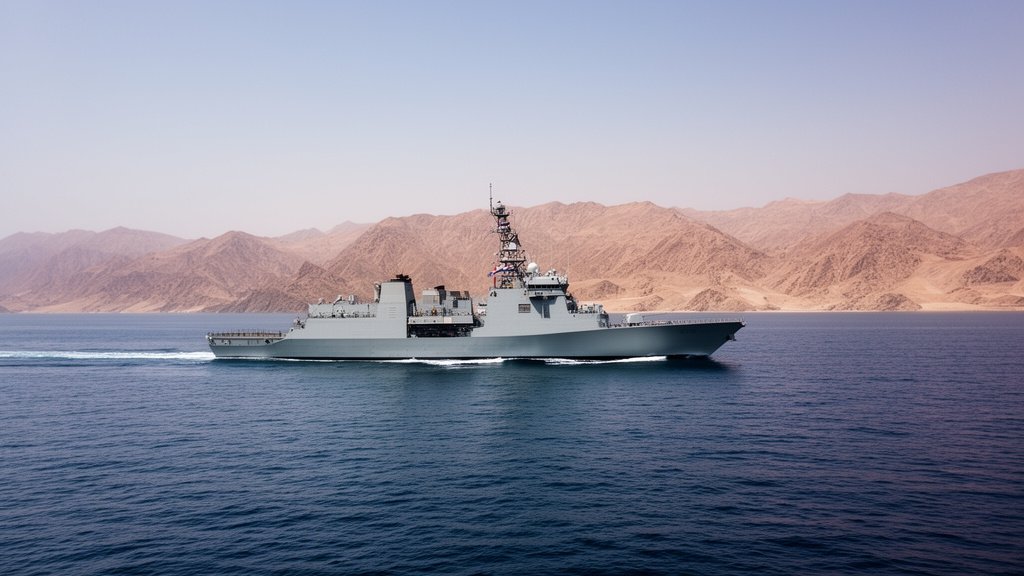
On October 3, 2026, Saudi Arabia initiated a coordinated military operation aimed at reclaiming critical maritime transit zones and coastal territory along the Red Sea from Houthi forces. This development, confirmed by intelligence updates from the Institute for the Study of War, represents a profound shift in the Yemeni conflict. The operation is not a unilateral Saudi maneuver; it is the first major activation of the ‘Mecca Pact,’ a landmark mutual defense treaty that formalizes deep military cooperation between Riyadh, Islamabad, and Ankara. The offensive is specifically designed to secure the Bab el-Mandeb Strait and surrounding littoral zones, which have been subject to intense disruption over the past 24 months.
Key Highlights
- Military Offensive Launched: Saudi-backed Yemeni government forces have begun a multi-axis push to reclaim Houthi-controlled territory along the Red Sea coastline.
- ‘Mecca Pact’ Activation: This is the inaugural combat operation of the ‘Mecca Pact,’ a mutual defense treaty binding Saudi Arabia, Pakistan, and Turkey into a unified security architecture.
- Strategic Objective: The primary goal is the restoration of maritime security in the southern Red Sea, crucial for global commercial shipping lanes.
- Escalation Risk: The inclusion of Turkish air support and Pakistani logistical command in a Red Sea operation marks a significant regionalization of the conflict, moving beyond the previous Saudi-Yemen binary dynamic.
The Geopolitical Architecture of the ‘Mecca Pact’
The activation of the ‘Mecca Pact’ on October 3, 2026, signals a definitive departure from the previous decade of Saudi Arabia’s reliance on Western-led maritime security coalitions. The treaty, which was ratified quietly in early 2026, functions as a tripartite security umbrella.
Turkey’s Role
Ankara has committed to providing advanced aerial intelligence, surveillance, and reconnaissance (ISR) capabilities. This deployment utilizes Turkish-manufactured drone swarms and naval electronic warfare assets, which are now providing a real-time ‘digital curtain’ over the Red Sea, allowing Saudi ground units to identify Houthi artillery positions before they can engage.
Pakistan’s Contribution
Islamabad has deployed specialized maritime security units. While not primarily an infantry force, the Pakistani component provides the logistical backbone for the offensive, ensuring that maritime supply chains remain open for the Saudi-backed government forces advancing from the south. This signifies a shift in Pakistan’s traditional ‘neutral’ stance in Middle Eastern proxy conflicts toward a proactive security role.
Operational Theater: The Red Sea Corridor
The geography of the conflict centers on the coastal strip extending from Hodeidah to the Bab el-Mandeb strait. This zone is critical; it is the bottleneck for approximately 12% of global trade and a significant portion of hydrocarbon transit. The Houthi defensive posture has relied heavily on anti-ship ballistic missiles (ASBMs) and distributed sea mines.
By leveraging the ‘Mecca Pact’ capabilities, the Saudi-led coalition is attempting to neutralize these threats via a ‘clearing’ operation. The integration of Turkish satellite data allows for precision strikes against Houthi command nodes, effectively blinding the Houthi defensive network before ground units engage in clearing operations.
Secondary Angles: Understanding the Shift
The Future of Global Shipping
While the immediate impact is a military push, the economic implications are profound. Global shipping conglomerates have been pricing in a ‘Red Sea Risk Premium’ for months. If this offensive succeeds in clearing the coastal zones within the projected 30-day window, analysts predict a stabilization of maritime insurance rates. However, if the conflict creates a protracted zone of instability, major logistics firms may accelerate the permanent rerouting of cargo around the Cape of Good Hope.
The Collapse of the Proxy Model
For years, the Yemen conflict was viewed through the lens of a regional proxy war. The ‘Mecca Pact’ effectively ends the era of ‘proxy-only’ warfare by introducing formal state-to-state military treaties. This creates a new ‘Security Triad’ in the region. Should this offensive succeed, it sets a precedent where Saudi Arabia, Turkey, and Pakistan could serve as the primary security guarantors for the Gulf and Red Sea, potentially rendering traditional Western security guarantees in the region obsolete.
Historical Context of the Yemen Conflict
This operation marks a strategic pivot from the defensive containment strategy that dominated Saudi policy from 2015 to 2024. By moving to reclaim territory rather than merely containing Houthi expansion, the coalition is asserting a ‘Total Control’ doctrine. Historians of the conflict note that this is the first time since the onset of the Yemeni Civil War that external partners have fully integrated their command structures with the Yemeni government’s offensive plans, rather than acting as auxiliary advisors.
FAQ: People Also Ask
1. What is the ‘Mecca Pact’?
It is a mutual defense treaty finalized in 2026 involving Saudi Arabia, Pakistan, and Turkey. It stipulates that an attack on the sovereignty of any member state, or a direct threat to the vital maritime corridors overseen by the members, triggers a collective security response.
2. Why is Turkey involved in a Red Sea military operation?
Turkey’s involvement is driven by its desire to secure its own maritime trade routes and to cement its position as a primary security provider in the Middle East. It allows Ankara to project power deep into the Gulf without relying on traditional NATO frameworks.
3. Will this operation lead to a direct conflict with Iran?
While the Houthi forces are traditionally backed by Tehran, the coalition’s current strategy focuses on neutralizing Houthi tactical capabilities. However, the presence of Turkish and Pakistani assets creates a ‘tripwire’ dynamic; any direct Iranian intervention against these assets would trigger the collective defense clauses of the ‘Mecca Pact,’ significantly escalating the risk of a broader regional war.
4. How does this affect global oil prices?
Markets are currently cautious. If the operation stabilizes the Bab el-Mandeb, prices are expected to decline. If the conflict results in a blockade or significant damage to oil infrastructure, prices could experience a spike of 5-8% in the short term.