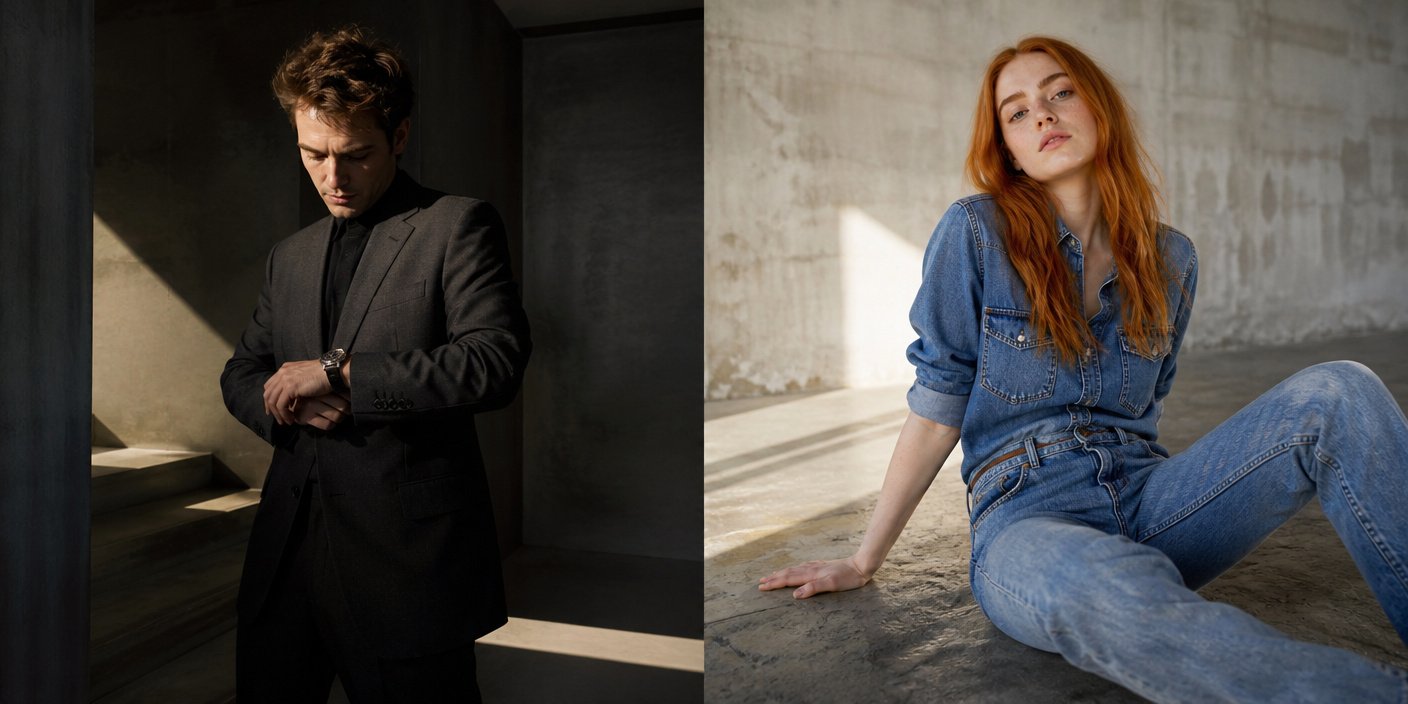
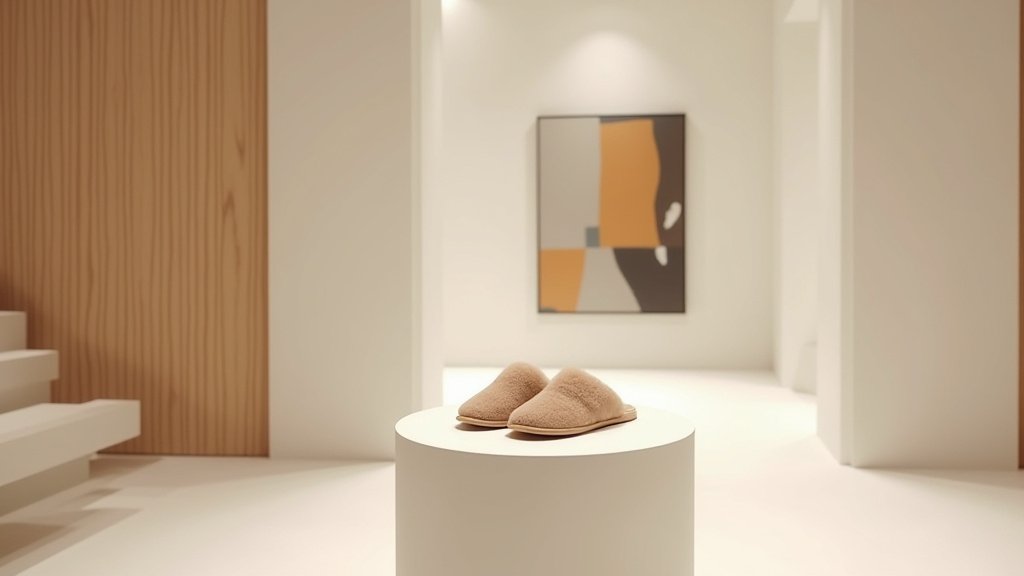
In a pivotal moment for the luxury fashion landscape of October 2026, Le Monde Béryl has officially opened its first flagship store on Madison Avenue in New York City. This launch marks a definitive evolution for the brand, known for its refined interpretation of traditional Venetian gondolier slippers, moving from a primarily e-commerce and wholesale model into the high-stakes world of permanent, experiential physical retail.
The Shift to ‘Third Place’ Retail
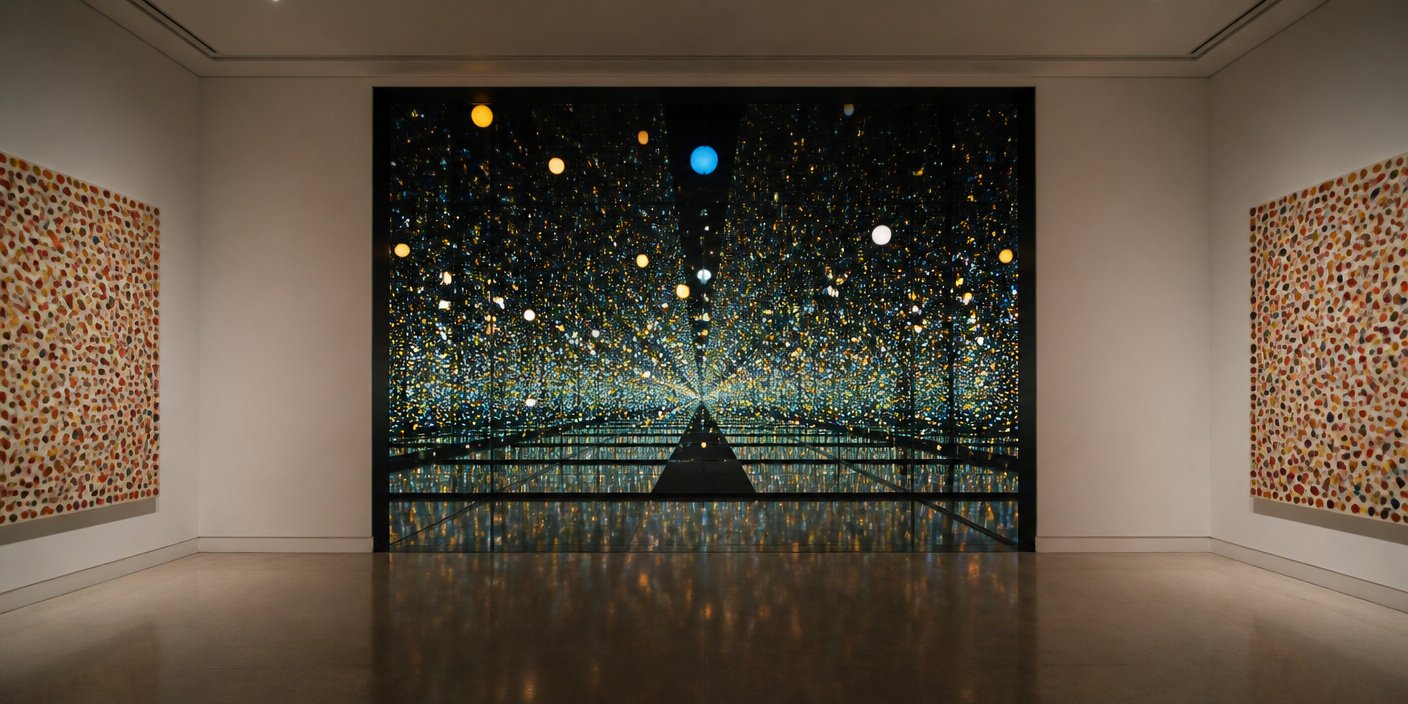
The choice of Madison Avenue serves as a bellwether for the brand’s maturity and market confidence. By establishing a physical footprint on one of the most prestigious shopping corridors globally, Le Monde Béryl is engaging in a strategic effort to cement its brand identity beyond digital marketplaces. However, the boutique is not merely a transactional space. It is a carefully curated environment that challenges the traditional ‘storefront’ paradigm. By positioning the location as a hybrid gallery and performance space, the brand is tapping into the concept of ‘Third Place’ retail—destinations that are neither home nor work, but community hubs where luxury consumption becomes an immersive cultural experience.
Architectural Curation by Silka Rittson-Thomas
To bridge the gap between commerce and art, Le Monde Béryl enlisted art adviser Silka Rittson-Thomas to oversee the boutique’s design and conceptual direction. Rittson-Thomas, known for her critical eye in the art world, has moved away from commercial interior design tropes. Instead, the boutique functions as a white-box exhibition space where the inventory—often displayed with the reverence usually reserved for fine sculpture—shares the stage with rotating art installations and performance pieces. This design philosophy serves a dual purpose: it elevates the product by association with art and attracts a clientele that prioritizes cultural capital alongside material ownership. The aesthetic is minimal yet warm, utilizing natural textures that allow the product’s color palettes to anchor the room.
Why This Matters for the Fashion Industry
This opening underscores a broader trend in October 2026: the ‘Gallery-fication’ of physical retail. As online competition reaches saturation, cult brands are finding that the only way to build lasting brand equity is through physical proximity.
1. The Experiential Premium: Consumers are increasingly fatigued by purely transactional e-commerce. By offering a space that hosts performances and rotating art exhibitions, Le Monde Béryl creates a ‘reason to visit’ that a website cannot replicate.
2. The Madison Avenue Pivot: Securing a flagship on Madison Avenue signals to investors and legacy fashion houses that Le Monde Béryl has graduated from a ‘niche’ player to a serious luxury contender.
3. Retail-as-Performance: The decision to integrate performance art into a retail environment creates a feedback loop of content creation, where visitors naturally capture and share the space on social media, acting as organic brand ambassadors.
Future Implications
Looking ahead, this flagship serves as a prototype for Le Monde Béryl’s potential expansion into other global capitals. If this hybrid model succeeds in driving both sales and brand affinity, expect to see a cascade of smaller, digital-native luxury labels following suit, prioritizing ‘destination retail’ over traditional high-volume store layouts. The store is not just selling footwear; it is curating an aesthetic lifestyle, an approach that has proven essential for brands looking to maintain exclusivity in a fragmented market. By investing heavily in the cultural resonance of their physical presence, Le Monde Béryl is setting a high bar for what it means to be a modern luxury brand in the latter half of the decade.
FAQ: People Also Ask
Why did Le Monde Béryl choose Madison Avenue for its first store?
Madison Avenue remains the definitive corridor for global luxury and high-net-worth foot traffic. For a brand like Le Monde Béryl, which emphasizes craft and heritage, this location provides the necessary visibility and prestige to signal a permanent shift in market positioning.
What does ‘hybrid gallery and performance space’ mean in this context?
It means the store is designed to host more than just product sales. The space functions as a venue for rotating art exhibitions and live artistic performances, allowing customers to engage with the brand’s cultural ethos rather than solely focusing on a commercial transaction.
How is Silka Rittson-Thomas’s involvement influencing the brand?
By utilizing an art adviser rather than a traditional retail architect, the brand ensures the space feels like an authentic creative endeavor. Rittson-Thomas’s influence ensures that the store layout, lighting, and materiality prioritize an art-world aesthetic, aligning the brand with high-end, curatorial luxury.