Sony Music Entertainment has intensified its defense of intellectual property, confirming the removal of more than 260,000 AI-generated tracks that unauthorizedly impersonated world-renowned artists. This sweeping enforcement action, which targets deepfake content mimicking A-list stars like Harry Styles and Adele, underscores a pivotal moment in the music industry’s struggle to control the deployment of generative AI technology.
Key Highlights
- Massive Enforcement: Over 260,000 unauthorized AI-generated tracks have been successfully removed following aggressive legal and technical takedown requests.
- High-Profile Targets: The purge specifically focuses on deepfake content impersonating major artists, with Harry Styles and Adele cited as examples of individuals whose likenesses and vocal characteristics are being exploited.
- Industry Escalation: This move signals a significant shift in corporate strategy, moving from passive monitoring to active, large-scale digital suppression of generative music.
- Legal Precedent: The action highlights the accelerating legal conflict between major labels and developers of generative AI models regarding copyright infringement and rights of publicity.
The Battle for Sonic Integrity in the Age of AI
The music industry is currently navigating its most significant disruption since the advent of the MP3. At the heart of this disruption is the proliferation of high-fidelity generative AI tools capable of mimicking the specific vocal timbres, phrasing, and stylistic choices of globally recognized icons. Sony Music’s recent announcement regarding the removal of over 260,000 AI-generated tracks is not merely a routine copyright enforcement; it is a tactical strike against the commodification of artist identity.
The Mechanics of the Purge
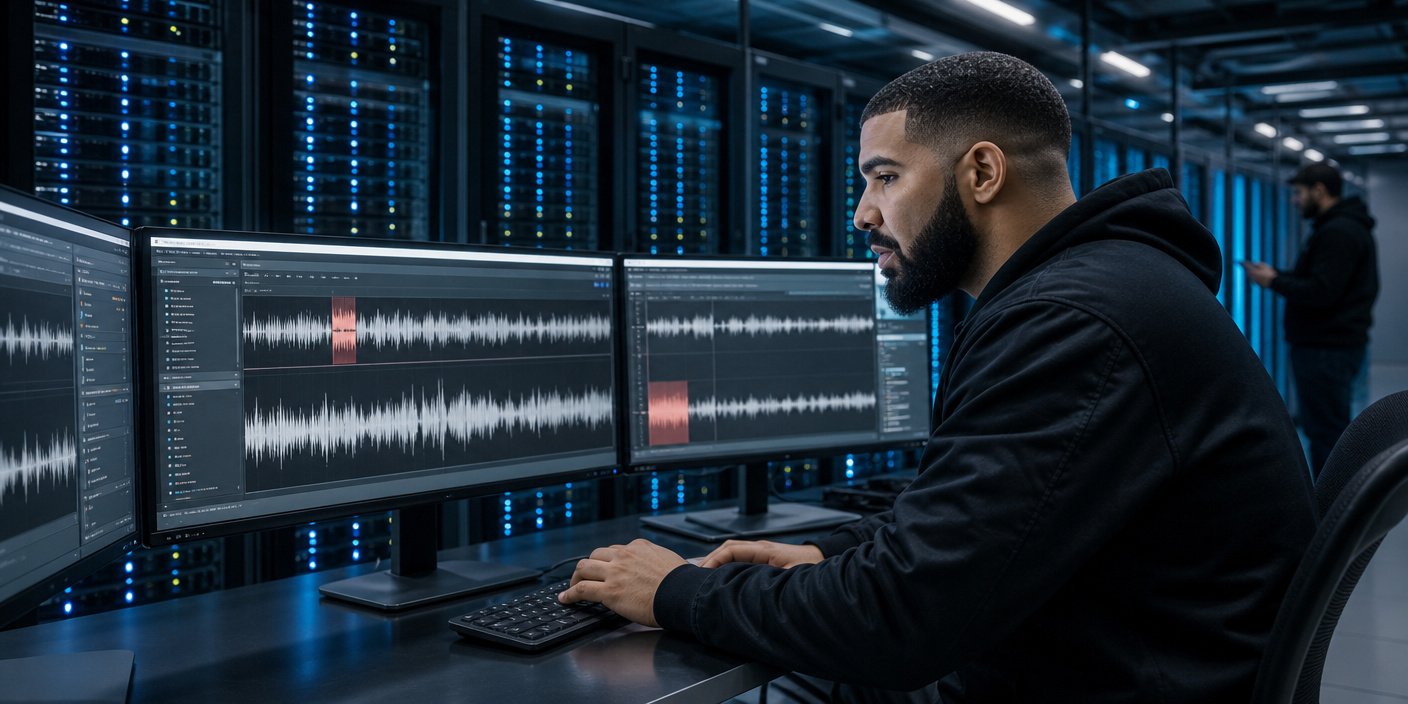
The volume of 260,000 tracks indicates a highly automated approach to the problem. Labels are no longer relying solely on manual policing; they are deploying proprietary scanning technologies that detect vocal fingerprints similar to those of their contracted artists. By flagging these “deepfake” songs, Sony is attempting to starve the models of training data and the distribution platforms of illicit content. The challenge remains, however, that for every track taken down, thousands more are uploaded to decentralized platforms, streaming services, and social media feeds, creating a “whack-a-mole” scenario that requires continuous, resource-heavy monitoring.
Protecting Brand Equity and Artist Rights
Artists like Harry Styles and Adele represent immense brand equity. Their voices are distinct, commercially valuable, and legally protected assets. When AI models are trained on their discographies without consent, the resulting output—while potentially indistinguishable from an original recording—dilutes the artist’s brand and devalues their official releases. This is not just about copyright infringement; it is a fundamental issue of “right of publicity.” The unauthorized commercialization of a celebrity’s persona or vocal style can lead to significant market confusion, where fans might inadvertently support AI-generated content over official artistic output, thereby impacting the artist’s revenue and creative control.
The Ethical and Technical Dilemma
Critics of the major labels argue that this crackdown stifles technological innovation and fan creativity. Conversely, the labels argue that generative AI represents a parasitic economic model, where the value created by a superstar is harvested by tech companies without compensation. This divergence highlights a secondary angle: the future of creative licensing. Could there be a pathway for official “AI-approved” vocal models, or is the technology inherently incompatible with the current definition of intellectual property? As the courts begin to adjudicate these cases, the outcomes will set the standard for how the next generation of creative tools is regulated.
Future Implications for Generative Models
The 260,000 takedown figure is likely a baseline. As generative models become more accessible and powerful, the sheer volume of AI-generated “fan music” is expected to climb exponentially. This will force a technological arms race: AI developers will seek to build models that are harder to detect, while labels like Sony will invest in sophisticated forensic watermarking and content-matching technologies. Furthermore, this trend suggests that the music industry may push for legislative changes that hold platform distributors more accountable for the hosting of AI-generated content that infringes upon the likeness of protected individuals.
FAQ: People Also Ask
What exactly constitutes an ‘AI Deepfake’ in music?
An AI deepfake in music typically involves using voice-cloning software to train a model on an artist’s specific vocal patterns. The model can then be used to generate new audio that sounds identical to the artist singing or speaking words they never actually recorded.
Is it legal to create AI music using an artist’s voice?
Generally, no. While specific laws vary by jurisdiction, unauthorized use of a person’s likeness or voice for commercial gain often violates “right of publicity” laws and copyright regulations regarding sound recordings. Major labels are increasingly treating this as a direct infringement of their intellectual property.
Why are major labels so concerned about this?
Beyond the immediate copyright issues, labels are concerned about market dilution and the devaluation of their assets. If the market is flooded with high-quality AI “impersonations,” it becomes difficult for the public to distinguish between genuine, artist-approved work and generated content, threatening both brand integrity and revenue streams.