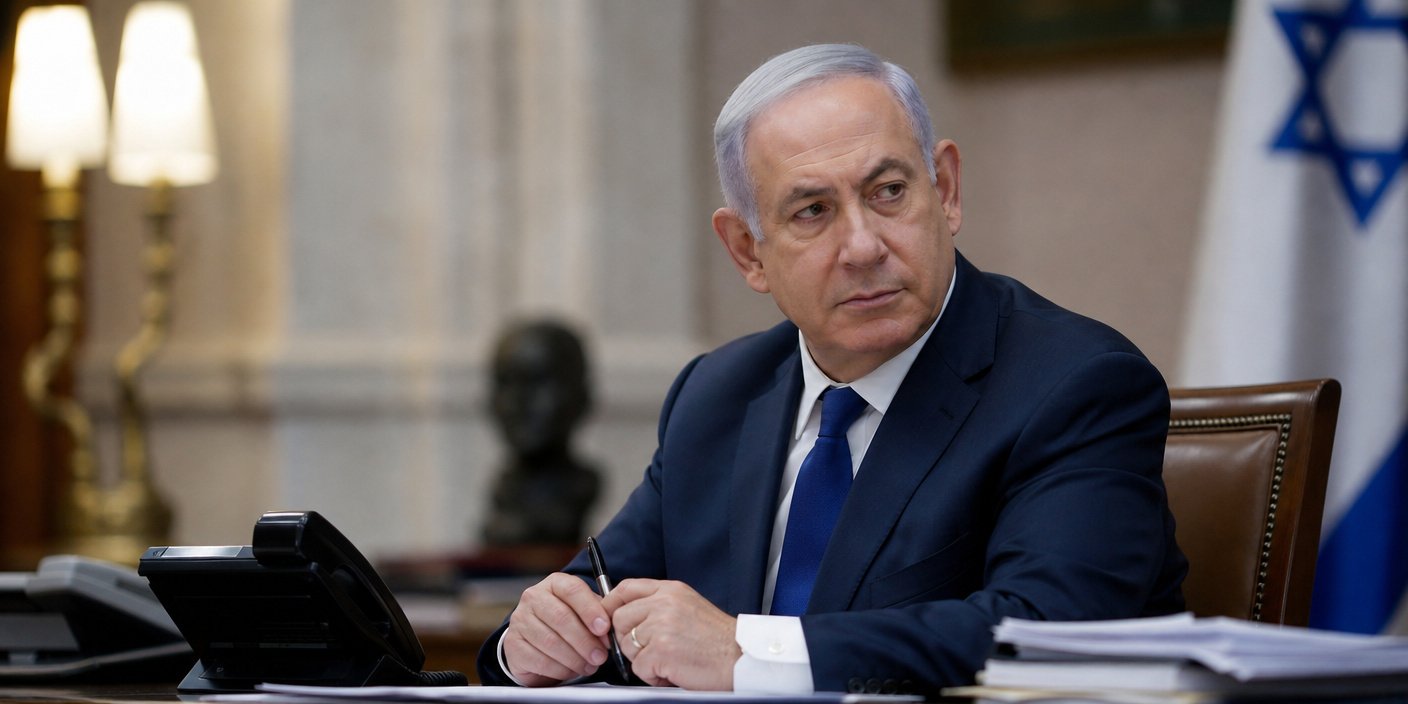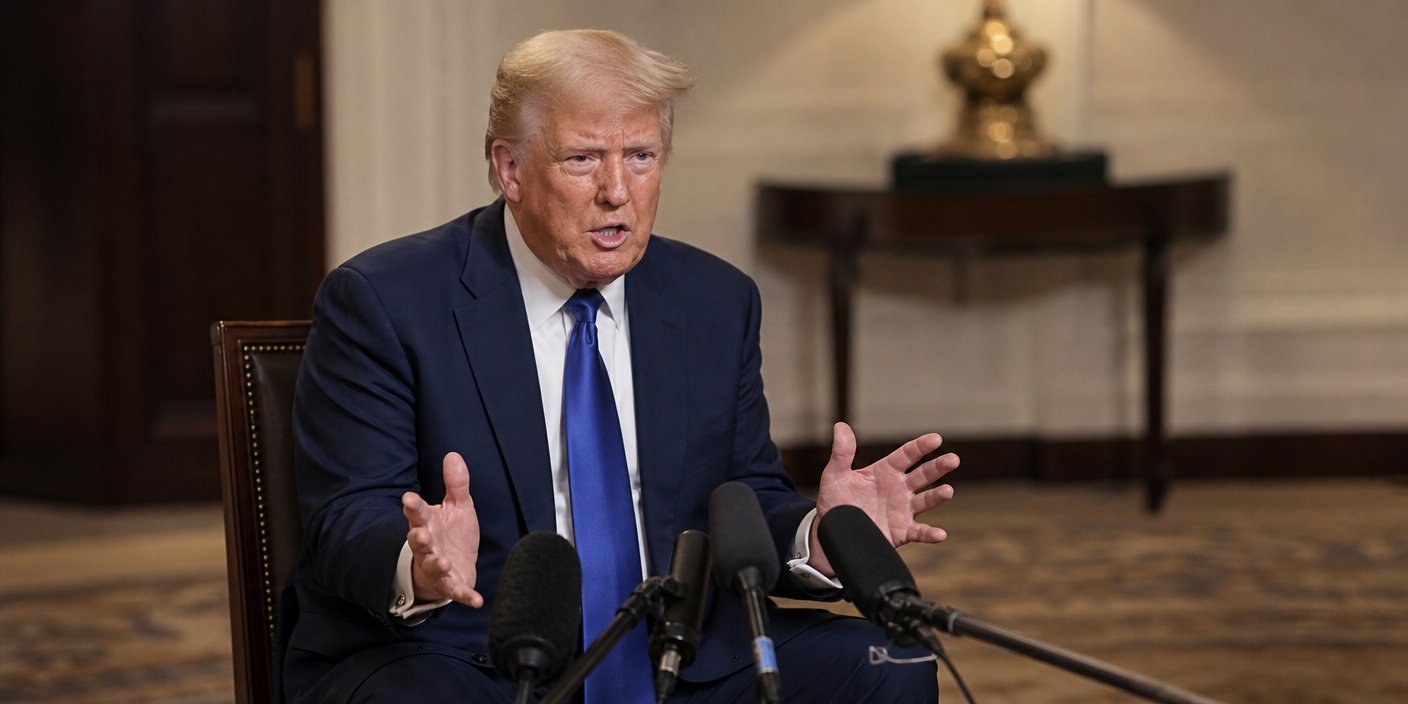
In a bold reassertion of his ‘America First’ foreign policy, former President Donald Trump has outlined a controversial new framework for the Russia-Ukraine conflict. Trump claims to have the diplomatic leverage required to broker an immediate ceasefire, while simultaneously doubling down on his opposition to the sanctions regime, specifically defending agreements related to Russian diesel. The former President’s comments, which have rippled through both Washington and Kyiv, also included sharp criticism of Ukraine’s ongoing military strategy—specifically its long-range drone strikes on Russian energy infrastructure.
Key Highlights
- Ceasefire Claims: Trump asserts that his personal diplomatic relationships provide a direct pathway to end hostilities in Ukraine, though specific mechanisms for this ceasefire remain undefined.
- Defense of Russian Diesel: Rejecting the current international consensus on energy sanctions, Trump defended the purchase of Russian diesel as a matter of economic pragmatism, distancing himself from the broader Western strategy to cripple the Russian economy.
- Tactical Criticism: Trump explicitly criticized Ukraine’s use of drone attacks against Russian oil refineries, labeling the strategy counterproductive to global energy stability.
- Leadership Concerns: The former President publicly questioned the current leadership trajectory in Kyiv, suggesting a pivot in strategy is required to achieve a durable peace.
The Geopolitical Shift: Navigating the New Trump Doctrine
As the geopolitical landscape shifts ahead of electoral cycles, Donald Trump’s latest statements regarding the Russia-Ukraine war represent a stark departure from the current U.S. administration’s policy of indefinite support for Kyiv. By linking the cessation of hostilities to a pragmatic—if controversial—approach to energy economics, Trump is framing the conflict not as a binary struggle between democracy and autocracy, but as a complex negotiation requiring a transactional ‘dealmaker’ approach.
The Ceasefire Promise
Trump’s core assertion revolves around his ability to force a ceasefire through direct, high-level negotiation. He has repeatedly suggested that he would leverage the United States’ military and economic aid as a bargaining chip to bring both Russian President Vladimir Putin and Ukrainian President Volodymyr Zelenskyy to the table. While critics argue that such an approach ignores the sovereignty of the Ukrainian state and the territorial integrity of its borders, supporters maintain that Trump’s ‘peace through strength’ doctrine is the only viable method to prevent further global escalation. The ambiguity surrounding these claims, however, remains a point of contention for security analysts who fear that a coerced peace could simply lead to a frozen conflict rather than a lasting resolution.
The Diesel Defense: Energy Realpolitik
Perhaps the most provocative element of Trump’s recent comments is his defense of Russian diesel. In the context of global sanctions—designed specifically to starve the Russian war machine of its primary revenue stream—Trump’s stance appears to prioritize market stability over punitive economic measures. By arguing for the legitimacy of diesel trade, Trump is signaling a return to a more transactional worldview where energy security is separated from military aid. This stance directly challenges the logic of the G7 price caps and the broader efforts to decouple the European energy grid from Russian dependence. For market observers, this indicates that a potential future Trump administration might seek to normalize trade flows that are currently considered ‘off-limits’ under existing sanctions, a move that would fundamentally alter the geopolitical standing of Moscow on the global stage.
The Strategic Critique: Refinery Attacks
Furthermore, Trump’s public condemnation of Ukraine’s strategic targeting of Russian oil refineries adds a new layer of friction. Ukraine has been utilizing long-range drones to strike deep within Russian territory, successfully targeting the infrastructure that refines crude oil into gasoline and diesel. These attacks are a core component of Ukraine’s strategy to degrade the Russian economy and diminish the resources available to the Russian military. Trump’s skepticism of these tactics suggests a fear of spiraling global oil prices and an escalating conflict that could threaten the stability of global commodity markets. By questioning these strikes, he is implicitly suggesting that the cost of such attacks—to the global economy and potentially to the diplomatic atmosphere—outweighs their strategic benefit to the Ukrainian forces.
Historical Context and Economic Impact
To understand the gravity of these positions, one must look at the broader energy-security nexus. Historically, the global energy market relies on predictability. When a major player like the United States suggests that sanctions might be rolled back or that specific tactical strikes are unfavorable, it shifts the risk premium on global oil. This could potentially lower prices in the short term but create long-term instability by undermining the deterrent effect of sanctions. Furthermore, Trump’s commentary on Kyiv’s leadership suggests he views the current administration in Ukraine as an obstacle to the deal he envisions, hinting that a change in leadership—or a radical change in policy—is a prerequisite for his success.
Future Predictions: Navigating a Fractured Alliance
If Trump’s rhetoric serves as a blueprint for future foreign policy, we can expect significant tension within the NATO alliance. Most European partners view the refinery strikes as a legitimate form of asymmetric warfare and see the sanctions on Russian energy as an essential tool of modern statecraft. A pivot toward the strategy Trump describes would likely create a ‘two-track’ western alliance: one led by Washington, pursuing de-escalation and pragmatic trade, and another led by European capitals, focused on containing Russian aggression at all costs. This divergence could be the most significant geopolitical legacy of the coming years, testing the foundational resilience of trans-Atlantic partnerships.
FAQ: People Also Ask
1. Why does Trump object to Ukraine’s refinery attacks?
Trump argues that these attacks threaten to inflate global energy prices and escalate the conflict, prioritizing market stability and a return to the negotiating table over sustained, destructive military tactics against Russian infrastructure.
2. Is Trump proposing to lift sanctions on Russian oil?
While not explicitly declaring a blanket lifting of all sanctions, Trump’s defense of Russian diesel suggests a willingness to normalize energy trade to achieve broader ‘deal-making’ goals, effectively signaling a shift away from the current total-sanction model.
3. What does Trump mean by ‘new leadership in Kyiv’?
This phrase implies a preference for a different Ukrainian administration that might be more amenable to his vision of a swift, negotiated settlement, rather than the current strategy of seeking a decisive military victory.
4. How does this policy affect the NATO alliance?
This rhetoric creates potential friction within NATO, as it diverges from the policy of most European members who remain committed to both the sanctions regime and supporting Ukraine’s strategic military campaigns.