President Trump’s recent executive decision to waive a significant suite of sanctions against specific Russian financial and energy entities has ignited an immediate, bipartisan firestorm across Capitol Hill, yet legal experts and senior legislative aides warn that the path to a swift, effective counter-measure remains blocked by systemic congressional gridlock. The administration’s move, executed under the authority granted by existing sanctions frameworks, has prompted lawmakers from both parties to demand immediate hearings, even as procedural realities complicate the prospects of a veto-proof response.
The Scope of the Executive Waiver
The administration’s decision, which focuses primarily on easing restrictions on specific financial conduits involved in international energy transactions, has effectively bypassed some of the rigorous oversight established under the Countering America’s Adversaries Through Sanctions Act (CAATSA). By utilizing executive discretion to issue waivers, the White House has argued that these adjustments are necessary to maintain stability in global markets and ensure the continuity of critical supply chains. However, these justifications have done little to dampen the backlash from the Senate Foreign Relations Committee and the House Committee on Foreign Affairs. Critics argue that the waiver sends a signal of leniency that undermines the broader strategy of exerting economic pressure on the Kremlin. Treasury Department officials have remained tight-lipped regarding the specific dollar value of the transactions now permitted, citing national security concerns, though analysts estimate the impact could involve hundreds of millions of dollars in previously restricted activity.
Congressional Outrage and the Bipartisan Divide
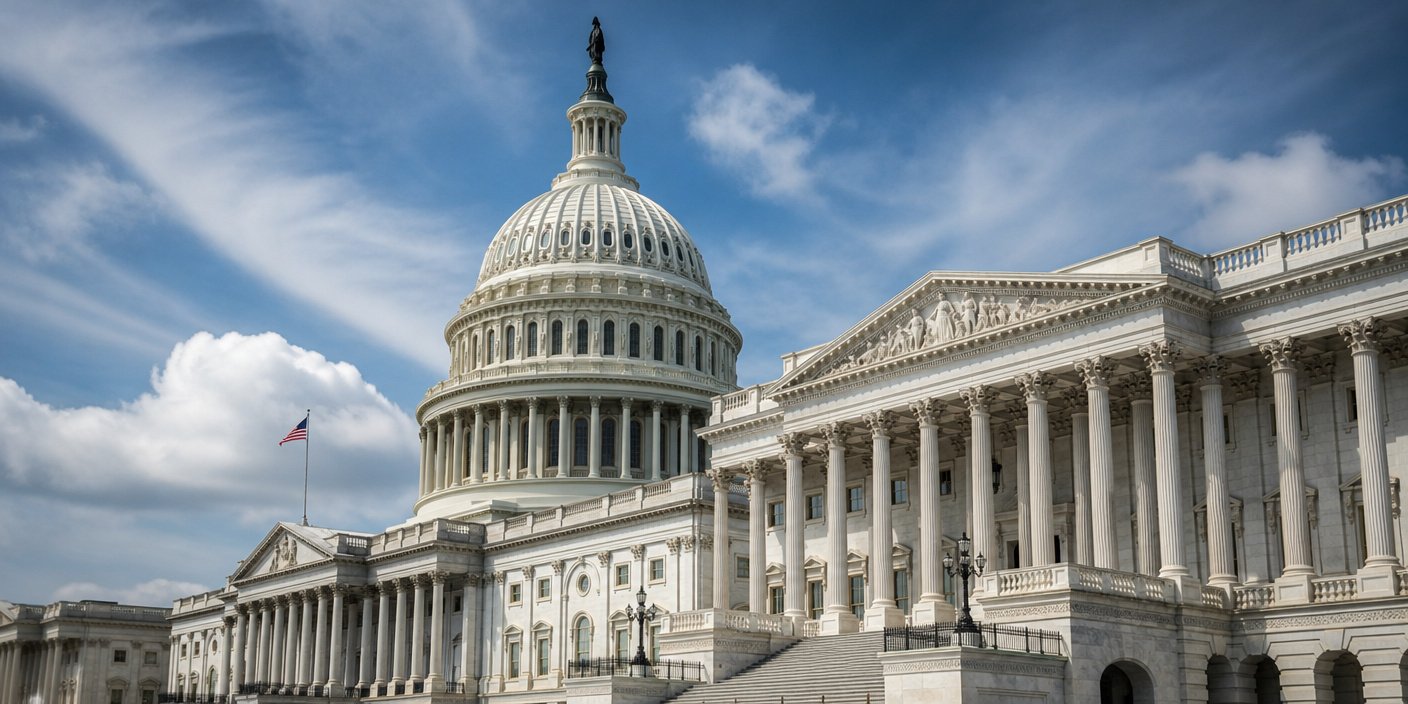
The legislative reaction has been swift and unusually unified. Senatorial leadership from both sides of the aisle have publicly questioned the timing and rationale behind the waiver. In a joint statement, key members of the Senate’s bipartisan foreign policy bloc emphasized that such a move contradicts the consensus-driven approach that has defined U.S. sanctions policy for years. Despite this public condemnation, the reality on the ground in the House and Senate is one of profound frustration. Lawmakers are currently grappling with how to challenge the executive action without triggering a constitutional clash that could paralyze other urgent legislative priorities, such as the looming budget negotiations and defense appropriation bills. The lack of a clear, unified procedural path forward has left many backbenchers feeling sidelined, with some calling for a ‘discharge petition’ or a standalone ‘Sense of Congress’ resolution to force a floor vote—measures that are historically difficult to advance without leadership support.
The Legislative Bottleneck: Why Counter-Measures Fail
Political analysts identify three core reasons why a ‘quick counter’ is currently off the table. First, the legislative calendar is heavily backlogged with domestic priorities that leadership is reluctant to disrupt. Second, the threat of a presidential veto remains a potent deterrent; overriding such a veto requires a two-thirds majority in both chambers—a threshold that, despite the current outcry, is mathematically difficult to guarantee given the partisan polarization of the current Congress. Finally, the complexity of the underlying sanctions law means that any attempt to ‘undo’ the waiver via legislation risks unintended consequences that could harm American businesses or disrupt global commodity prices. This technical complexity provides a convenient cover for those who might prefer a muted response, allowing the administration’s policy to stand while the debate remains trapped in committee rooms.
Historical Context: The Precedent of Sanctions Authority
This is not the first time a U.S. president has utilized executive authority to navigate the constraints of sanctions law. Historically, presidents have wielded the ‘national security waiver’ as a tool of statecraft, allowing for the fine-tuning of foreign policy in real-time. However, the scale and target of this specific waiver are being viewed by observers as a departure from the recent precedent of ‘maximum pressure’ campaigns. Where previous administrations used waivers sparingly and with clear conditions, this action appears broader, suggesting a shift in the administration’s strategic calculus. As the debate continues, the focus will likely shift to whether the administration can provide the transparency that Congress is demanding, or if the lack of information will embolden further efforts to restrict presidential authority over sanctions policy in future legislative sessions.
FAQ: People Also Ask
Q: Why can’t Congress simply vote to block the sanctions waiver?
A: While Congress has the theoretical power to pass legislation overturning the waiver, it requires a majority vote in both the House and Senate and must also survive a likely presidential veto. Achieving a two-thirds majority to override a veto is a high bar that requires significant bipartisan unity, which is currently absent on the specific procedural mechanics of this issue.
Q: What is CAATSA and how does it relate to this waiver?
A: The Countering America’s Adversaries Through Sanctions Act (CAATSA) is a landmark 2017 law that mandates sanctions on Russia, Iran, and North Korea. It contains specific provisions that allow the president to issue waivers, provided they meet certain criteria. The current controversy centers on whether the administration’s recent actions fit within the spirit and letter of those statutory requirements.
Q: Is this the first time Congress has challenged a presidential sanctions waiver?
A: No. Congress has frequently challenged executive discretion in foreign policy. However, this situation is distinct due to the rapid, bipartisan nature of the outcry and the immediate frustration regarding the lack of procedural tools available to force an executive retreat in the current legislative session.