In a stunning development that has sent shockwaves through the West Wing, White House Press Secretary Katie Zacharia has officially resigned from her position after serving for a mere five days. The abrupt departure marks the shortest tenure in the history of the role, shattering previous records of political brevity and leaving the administration scrambling to fill one of the most visible and consequential positions in the federal government. The resignation comes on the heels of a widely scrutinized and, by most accounts, disastrous initial press briefing that saw the former press secretary struggle to command the room.
The Briefing Room Meltdown
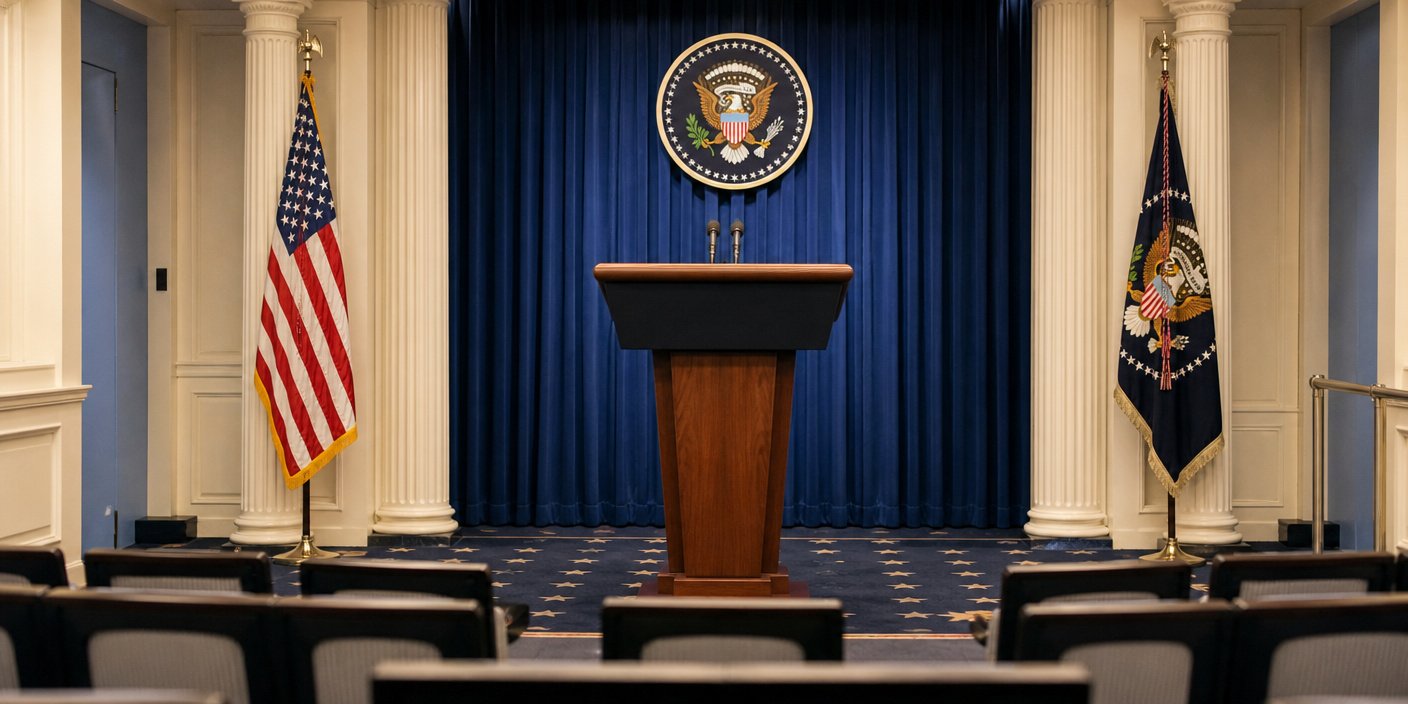
The catalyst for this historic exit appears to be the events that unfolded during Zacharia’s first official appearance at the podium earlier this week. What was intended to be a routine introductory session quickly devolved into a confrontational exchange between the press secretary and the White House Press Corps. Sources within the West Wing indicate that Zacharia’s inability to field detailed questions regarding the administration’s legislative agenda, coupled with a lack of preparation for follow-up inquiries, created an immediate perception of incompetence. The briefing was characterized by awkward pauses, repeated deferrals to other departments, and a visible frustration from the seasoned correspondents gathered in the James S. Brady Press Briefing Room.
Political analysts suggest that the environment of the modern press briefing has become exponentially more hostile over the last decade. With the 24-hour news cycle and the advent of social media, any misstep is magnified instantly. For a first-time press secretary, this environment is notoriously unforgiving. However, the speed of Zacharia’s exit suggests that the failure was not merely a matter of a ‘bad day’ at the office, but a fundamental misalignment between the appointee and the rapid-response requirements of the executive communications strategy.
The Vacuum at the Podium
The abrupt vacancy creates an immediate operational crisis. The White House Communications Office relies heavily on the press secretary to act as the primary conduit between the executive branch and the public. In the absence of a confirmed secretary, the administration is left to rely on interim spokespeople or senior advisors to field inquiries. This ‘headless’ period is dangerous for any administration, as it allows unauthorized narratives to take root and potentially damaging storylines to dominate the news cycle without a formal rebuttal or clarification.
Historically, the press secretary is a role that requires more than just political loyalty; it demands deep institutional knowledge and an intimate understanding of the administration’s policy goals. While Zacharia came into the role with a background in corporate communications, the transition to government service proved to be a bridge too far. The administration is now tasked with finding a candidate who possesses the rare combination of media savvy, policy expertise, and the thick skin required to withstand the daily pressures of the briefing room.
Institutional Precedents and Comparisons
While Zacharia’s five-day run is a statistical anomaly, the position of White House Press Secretary has seen significant turnover in recent years across various administrations. When compared to figures like Sarah Huckabee Sanders or Jen Psaki, who navigated long and often contentious terms, the brevity of this tenure is stark. Historically, secretaries who left early often did so due to conflicts with the President or a failure to adapt to the rigors of the job. However, none have left within a single working week. This event will almost certainly be studied by political science departments and media analysts as a case study in the importance of rigorous vetting and the necessity of ‘battle-testing’ potential appointees before they face the national stage.
The Road to a Replacement
Speculation is already mounting regarding who will step into the void. White House leadership is reportedly looking for an ‘old hand’—someone with experience in congressional relations or previous campaign communications—who can steady the ship. The goal is to restore a sense of normalcy and confidence in the administration’s messaging capabilities. Potential candidates are likely being vetted for their ability to handle the ‘gotcha’ journalism that characterizes modern briefing sessions, as well as their capacity to manage the internal ego clashes that are endemic to the West Wing.
FAQ: People Also Ask
Is five days actually the shortest tenure ever?
Yes, among official White House Press Secretaries, Katie Zacharia’s five-day tenure stands as the shortest on record, officially breaking the previous thresholds for rapid turnover.
What happens to the daily briefing schedule now?
Until a permanent replacement is named, the White House is expected to utilize senior communications staffers to handle briefings. The schedule may be abbreviated or restricted to minimize the risk of further gaffes while the administration regroups.
Why was the initial briefing considered a failure?
Reports indicate that the failure stemmed from a lack of specific knowledge regarding current legislative priorities and an inability to manage the aggressive nature of the White House Press Corps, leading to a loss of credibility in the room.
Will this affect the administration’s policy goals?
While the press secretary is a messaging role, the inability to clearly articulate policy creates a communication gap that can slow down public support for legislative initiatives, potentially making the administration’s agenda harder to advance in the short term.